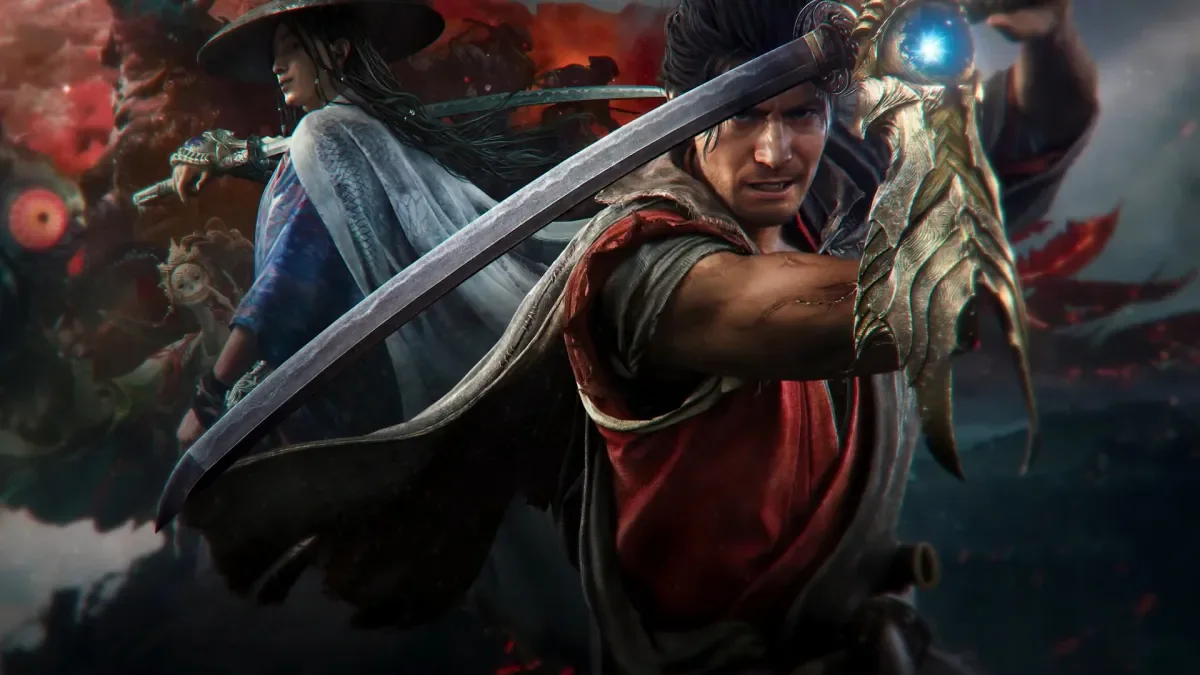
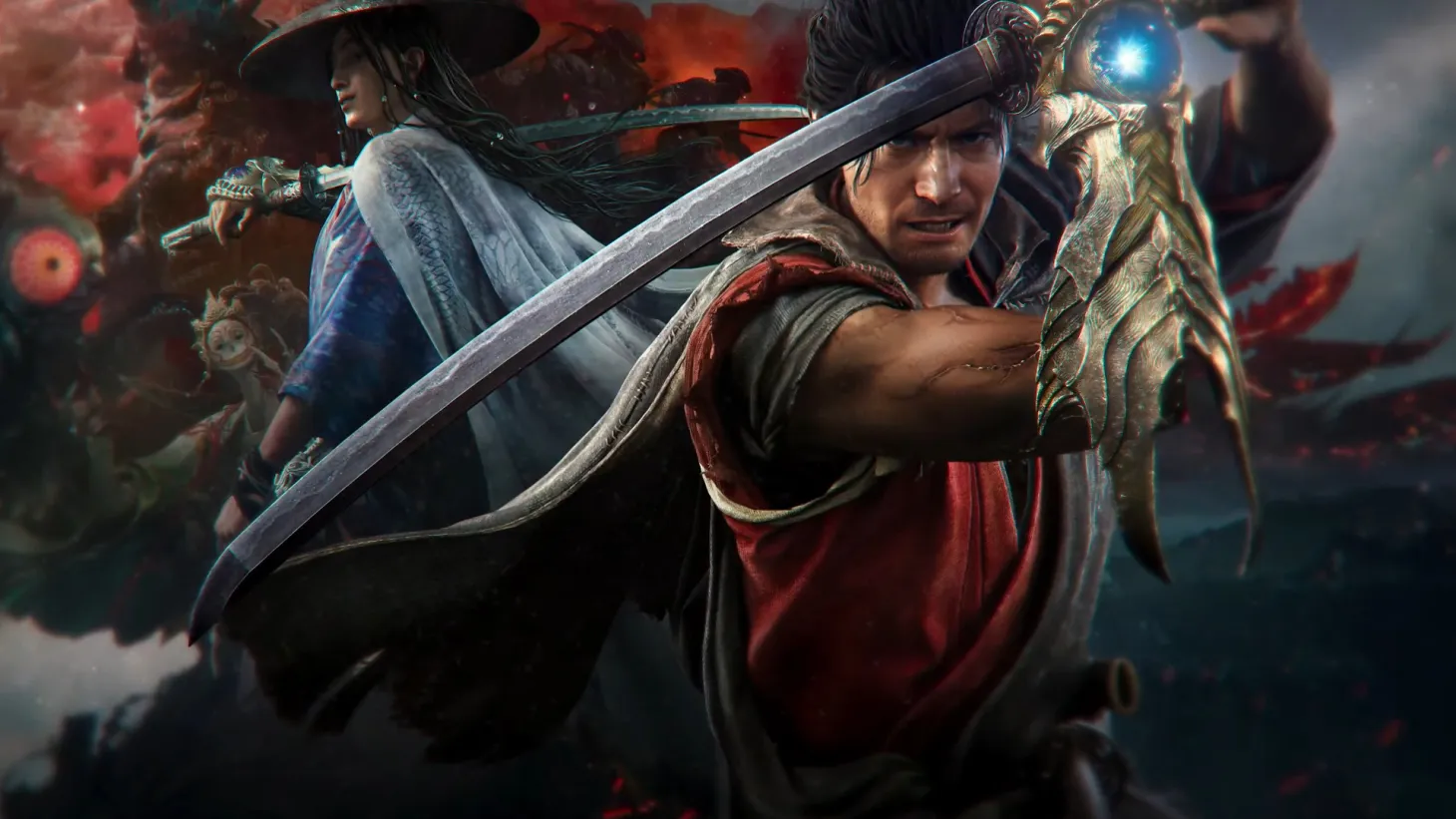
Back in June, I journeyed to Osaka, Japan, to visit Capcom’s headquarters and delve into Onimusha: Way of the Sword, the featured cover story of Game Informer. While subscribers can read the primary feature right here, I am rolling out a series of exclusive pieces over the coming weeks. These stem from my in-depth discussions with the creative minds steering Capcom’s triumphant revival of the franchise after a two-decade hiatus.
Among those conversations was an interview with Hiroshi Yugen, the animation team lead for Way of the Sword. He shed light on how the development team forged their unique interpretation of Miyamoto Musashi—the legendary historical swordsman who anchors the game as its protagonist—drawing inspiration from ancient fables, historical accounts, and enduring folklore surrounding the iconic warrior.
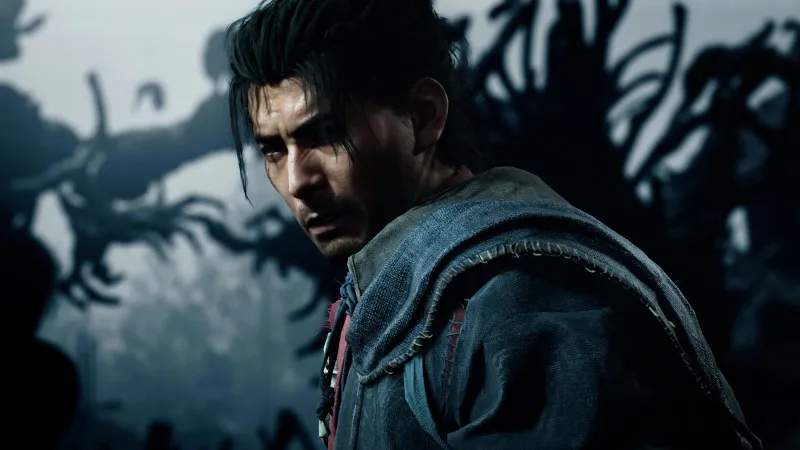
“Real-world chronicles heavily shaped the combat mechanics we designed for Musashi, particularly highlighting his formidable reputation as a master swordsman and his profound versatility with various arms,” Yugen notes. Because this iteration depicts Musashi early in his life—during his vibrant twenties—he has yet to invent or adopt his signature dual-wielding style. “Since our story takes place before he masters that technique, the primary focus remains on single-blade combat. However, we still wanted to honor his broad weapon proficiency, which is precisely why the Oni Armament abilities were introduced.”
During my hands-on session with the game, I tested two distinct Oni Armaments. The Two Celestials are agile, rapid-fire blades engineered for direct damage, whereas the Earth-Shaker hammers deliver devastating kinetic force capable of staggering massive foes. Adapting your loadout to exploit enemy vulnerabilities is paramount. For instance, facing the Nue—a mythological chimera fusing traits from multiple beasts—demanded the heavy-hitting power of the Earth-Shaker hammers to finally secure victory.
According to Yugen, historical depictions often portray Musashi as an opportunistic pragmatist who used whatever tactical advantage was available to secure triumph. This philosophy translates directly into the gameplay; players aren’t restricted to standard swordplay. You can parry foes into nearby torches to ignite them, or flip heavy wooden tables to use as barricades before hurling them at enemies to break their guard. “All of these interactive combat environmental features stem directly from historical anecdotes about Musashi’s unorthodox tactical mind,” Yugen explains.
Legend tells of an undefeated streak of 62 duels achieved by a young Musashi as he journeyed across feudal Japan, a pursuit that fostered a personality swinging effortlessly between unwavering confidence and outright cockiness. This trait shines brightly in Way of the Sword. Perpetually hunting down his next challenger, Musashi actually resents the demonic Oni Gauntlet strapped to his arm, viewing its supernatural powers as an unfair crutch. This rebellious attitude contrasts sharply with past protagonists like Samanosuke or Jubei from Onimusha: Warlords and Onimusha 2: Samurai’s Destiny, who willingly embraced their divine duties to save the world.
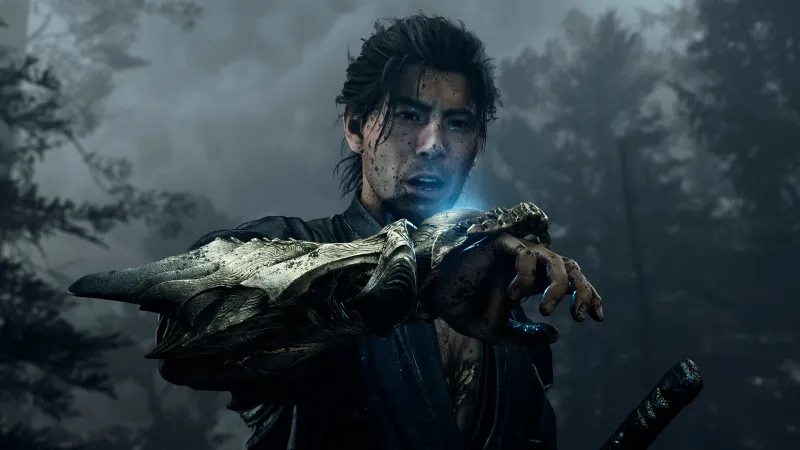
Yugen emphasizes that the team explicitly instructed their motion-capture performers to lean into this cocky demeanor. Simultaneously, because Musashi is still developing as a warrior, his movements intentionally feel “somewhat unrefined and rugged around the edges,” giving his physical performance a raw, authentic edge.
An unexpected creative touch came from drawing parallels to another legendary Capcom property: Street Fighter. Yugen reveals that viewing confrontations through a fighting-game lens helped the team conceptualize Musashi’s inner monologue before an engagement—how he sizes up adversaries, strides forward with blade in hand, and projects his presence. “Toward the end of production, we integrated these subtle styling choices to define his distinct persona, right down to his posture,” Yugen shares. “We wanted him to move with relaxed defiance rather than rigid tension; he carries a palpable swagger that heavily informed our design choices.”
He continues, “Musashi hides nothing. He is remarkably blunt and direct, embodying a refreshing candor—if an obstacle is irritating, he’ll boldly voice his frustration without hesitation.”
Much of this characterization is already palpable in the playable demo available right now, and it resonated deeply throughout my extended time with the experience. I am eager to witness how Musashi matures both as a swordsman and as a man when the full title arrives next month.
My exploration of Capcom’s grand franchise revival will continue all month long as part of Game Informer’s dedicated coverage. Expect a steady stream of exclusive gameplay showcases and behind-the-scenes content—including an exclusive Rapid-Fire Interview—dropping over on the Game Informer YouTube channel. Be sure to bookmark the Onimusha: Way of the Sword hub so you never miss an update.
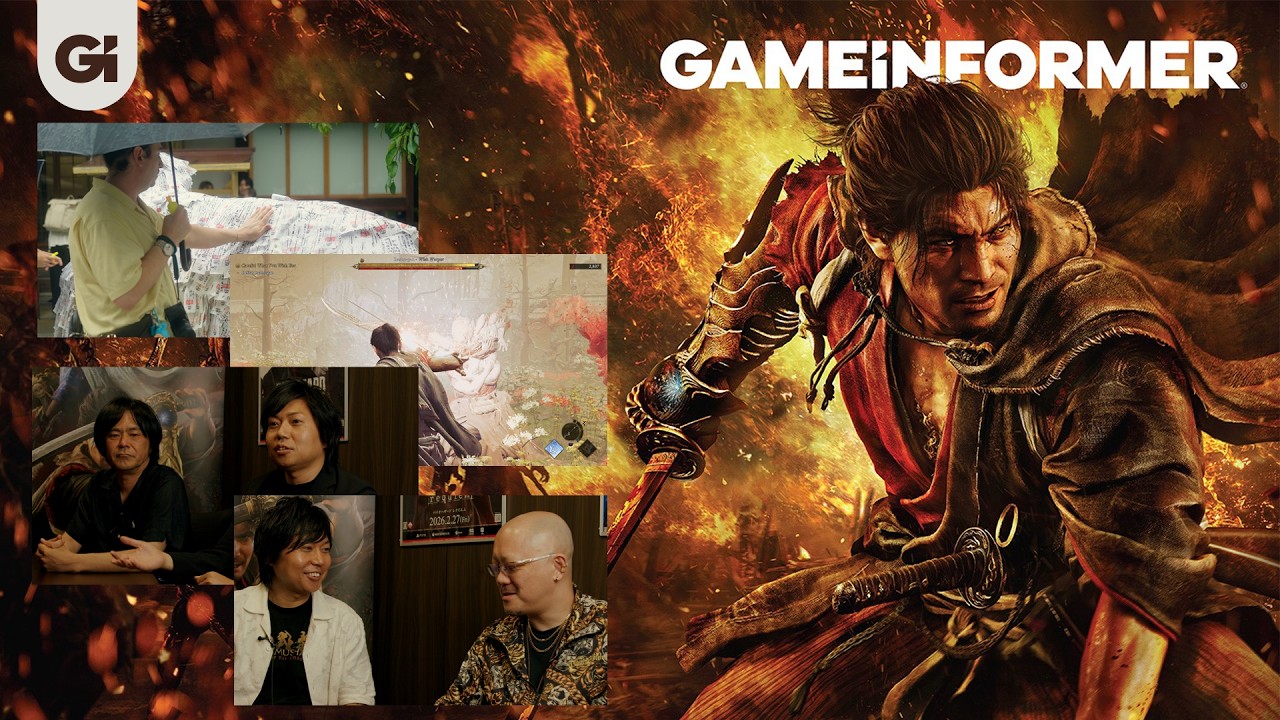
In the meantime, dive into these additional features covering Onimusha: Way of the Sword:
- How Capcom Reinvented And Updated Onimusha’s Combat In Way Of The Sword
- Onimusha 2 Director Motohide Eshiro On Way Of The Sword’s Resurrection Of The Series
- A Look Back On The First Two Onimusha Games With Planner And Director Motohide Eshiro
- Here’s How The Late Japanese Actor Toshirō Mifune Became The Face Of Musashi In Onimusha: Way Of The Sword
- Capcom Says Onimusha: Way Of The Sword Success Being The ‘Pinnacle Of Swordplay Action Games’ Is What Success Looks Like After A 20-Year Gap
- There Are No Minigames In Onimusha: Way Of The Sword, But It Sounds Like The Phantom Realm Is Back
- Puzzle Boxes Are Gone In Onimusha: Way Of The Sword, But Bigger Environmental Puzzles Have Taken Their Place
- Onimusha: Way Of The Sword Isn’t Connected To Previous Games, But There Are Homages
- How Capcom Decided On Miyamoto Musashi For Its Onimusha: Way Of The Sword Protagonist
- Why Kyoto Was The Perfect Setting For Onimusha: Way Of The Sword
- Why 2026 Was The Year To Bring Onimusha Back After A 20-Year Gap
Do you have a favorite interpretation or historical legend regarding Miyamoto Musashi? Share your thoughts in the comments below!
 Jacksepticeye Discusses Bloodborne Fans’ Reaction to His Reported Movie Involvement
 Leaked Details Suggest New Mortal Kombat Developer Game Features Batwoman and Supergirl
 Christopher Nolan Rumored to Direct New Star Wars Film After Meeting George Lucas
 Sherlock Holmes Game Crushed in Time Gets Mobile and Nintendo Switch Release Date
 Xbox Faces New Major Restructuring and Hundreds of Layoffs
 Coyote vs. Acme Gets Streaming Release Date
 Voice Actor Troy Baker Recalls Being Replaced in Fullmetal Alchemist Due to Laughter
 Silent Hill: Townfall Reportedly Faces Performance Issues on PS5 Pro