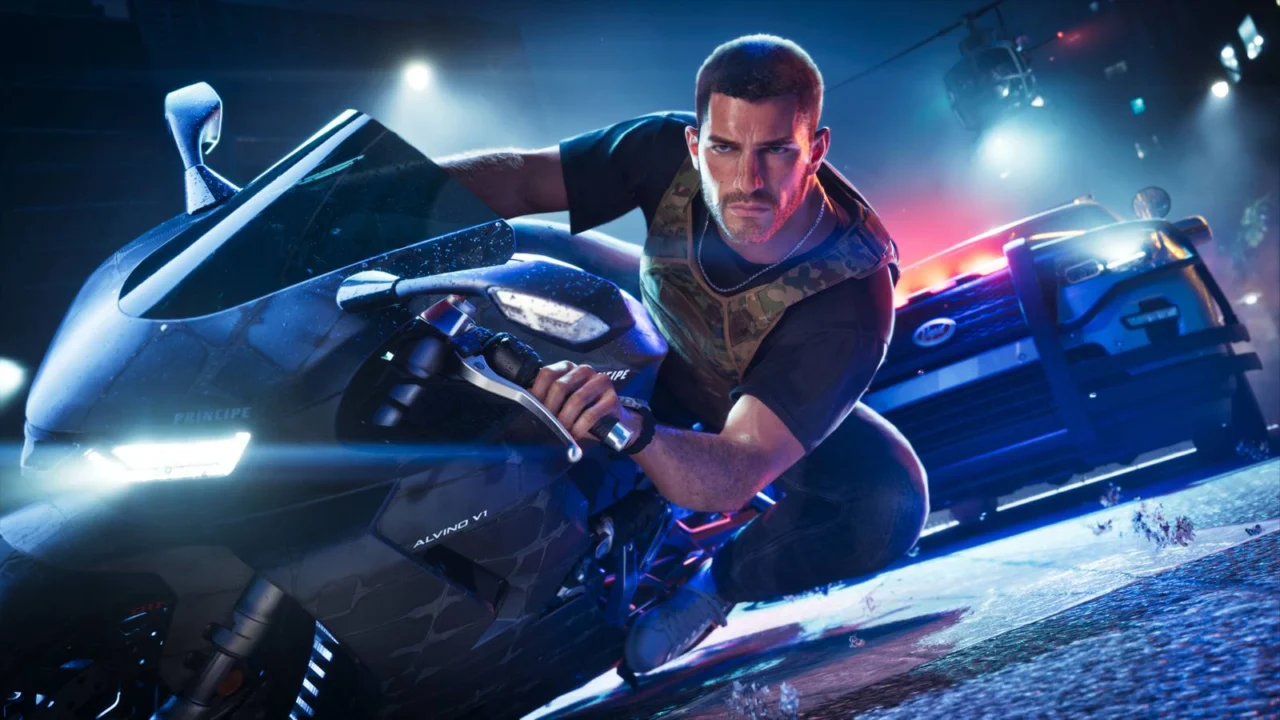
GTA 6 Owes It All to The Legend of Zelda: Ocarina of Time
A Metacritic score can tell you a great deal about a game’s reception, but it cannot capture the excitement of a particular moment. The original The Legend of Zelda: Ocarina of Time boasts a remarkable score of 99, yet that number barely conveys the awe surrounding its 1998 release. Critics greeted Nintendo’s adventure with a level of enthusiasm rarely seen in gaming; some publications even awarded it 11 out of 10. It felt as though we were witnessing a turning point. Looking back from 2026, what is perhaps most impressive is that the game’s enduring influence justified the excitement.
More than a quarter-century later, Grand Theft Auto 6 has emerged as the first game to challenge that critical benchmark, earning a 99 of its own. Its arrival feels like another landmark: a rare cultural event with the potential to redefine expectations for blockbuster games. By coincidence, it also launched just weeks after the Switch 2 remake of Ocarina of Time, giving a new generation the chance to discover why Nintendo’s adventure remains so highly regarded.
Whether by chance or design, the proximity of these releases feels like a passing of the torch between an established masterpiece and a potential classic. For anyone who loves games and wants to see the medium grow, that is something worth celebrating.
It may sound predictable, but there is a strong case that GTA 6 would not exist in quite the same form without Ocarina of Time. Nintendo’s game might seem modest in scale now, but in 1998 its world felt enormous. Hyrule Field, in particular, suggested the freedom of an open world, even if it looks small and sparse by modern standards. The secrets tucked between its sweeping story beats offered a compelling vision of what a 3D adventure could be. The industry might eventually have arrived at similar ideas on its own, but Nintendo helped establish a design language that developers still use.
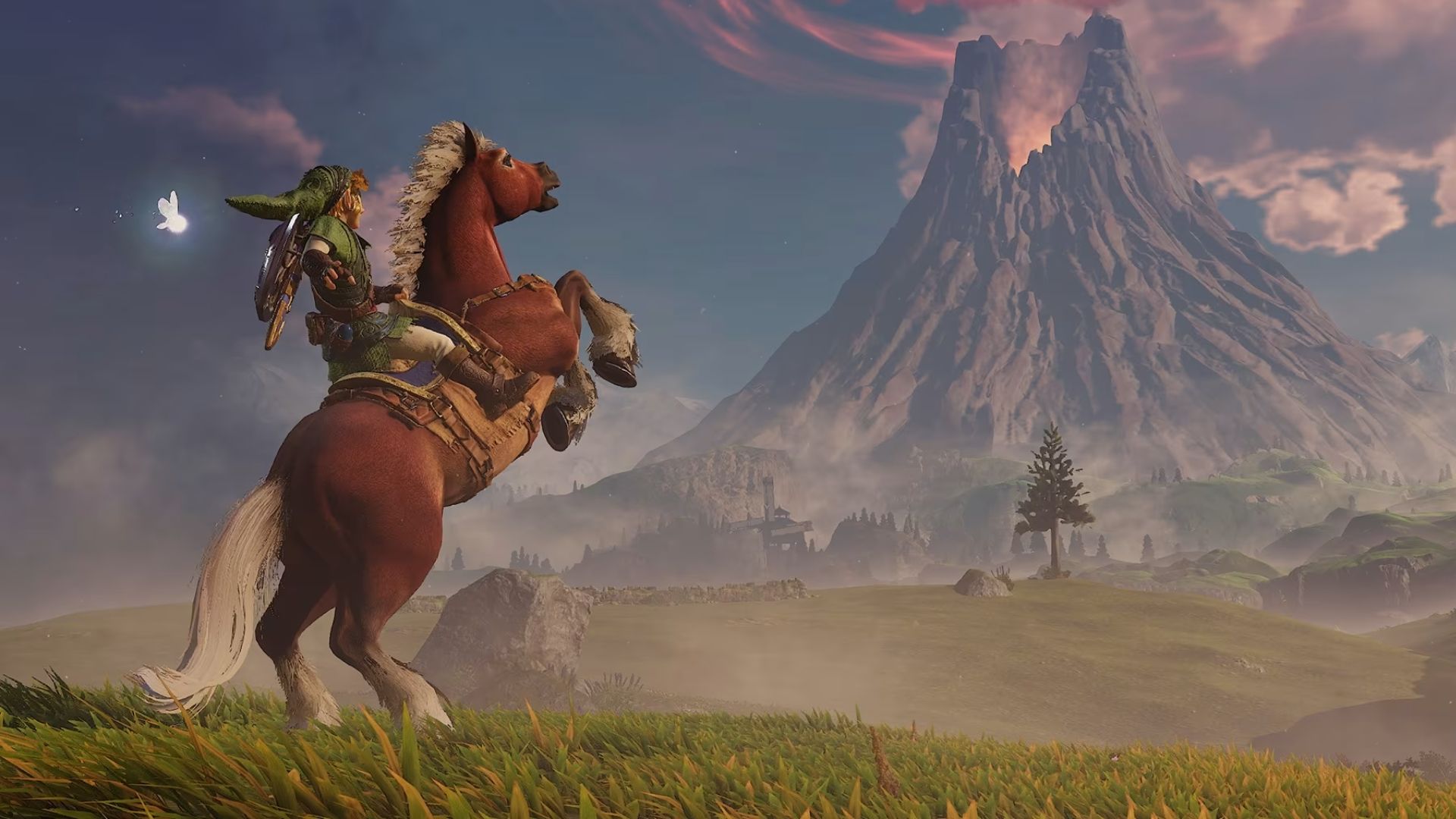
As games have grown ever larger, it has become easy to forget how transformative that earlier experience felt. The Switch 2 remake arrives at an ideal time to remind us. Beyond its distinctive visual overhaul, it stays close to the original, refining the controls and adjusting a handful of puzzles. Its greatest revelation is how little the underlying game needed to change. The carefully constructed world still surprises newcomers, and returning to it left me with a deeper appreciation for the details that have stayed with me for so long.
A few weeks later, I began playing GTA 6, and Zelda slipped from my thoughts as I took in Rockstar’s lifelike visuals, richly detailed map, and interlocking systems capable of producing wonderfully unpredictable moments. Much of that ambition comes from Rockstar Games’ own design history, which predates Ocarina of Time. Still, the longer I played, the more connections I noticed. The Leonida Keys, for example, serve as an introductory area much like the Great Plateau in Breath of the Wild. That approach, in turn, can be traced back to Kokiri Forest, where Link learns the basics before venturing into the wider world.
Playing the remake and GTA 6 in close succession makes that lineage easier to see. Both find much of their appeal in inviting players to explore a carefully built environment, wander from the main path, and uncover rewards through curiosity. When I spoke with Zelda producer Hidemaro Fujibayashi about the series’ legacy earlier this month, he described its appeal as a “cycle of exploration and discovery”: noticing something intriguing and following it. GTA 6 embraces a similar principle, drawing players into unexpected side quests with details such as a swerving tractor or an abandoned roadside car. Zelda did not invent that pleasure, but it helped refine it decades ago.
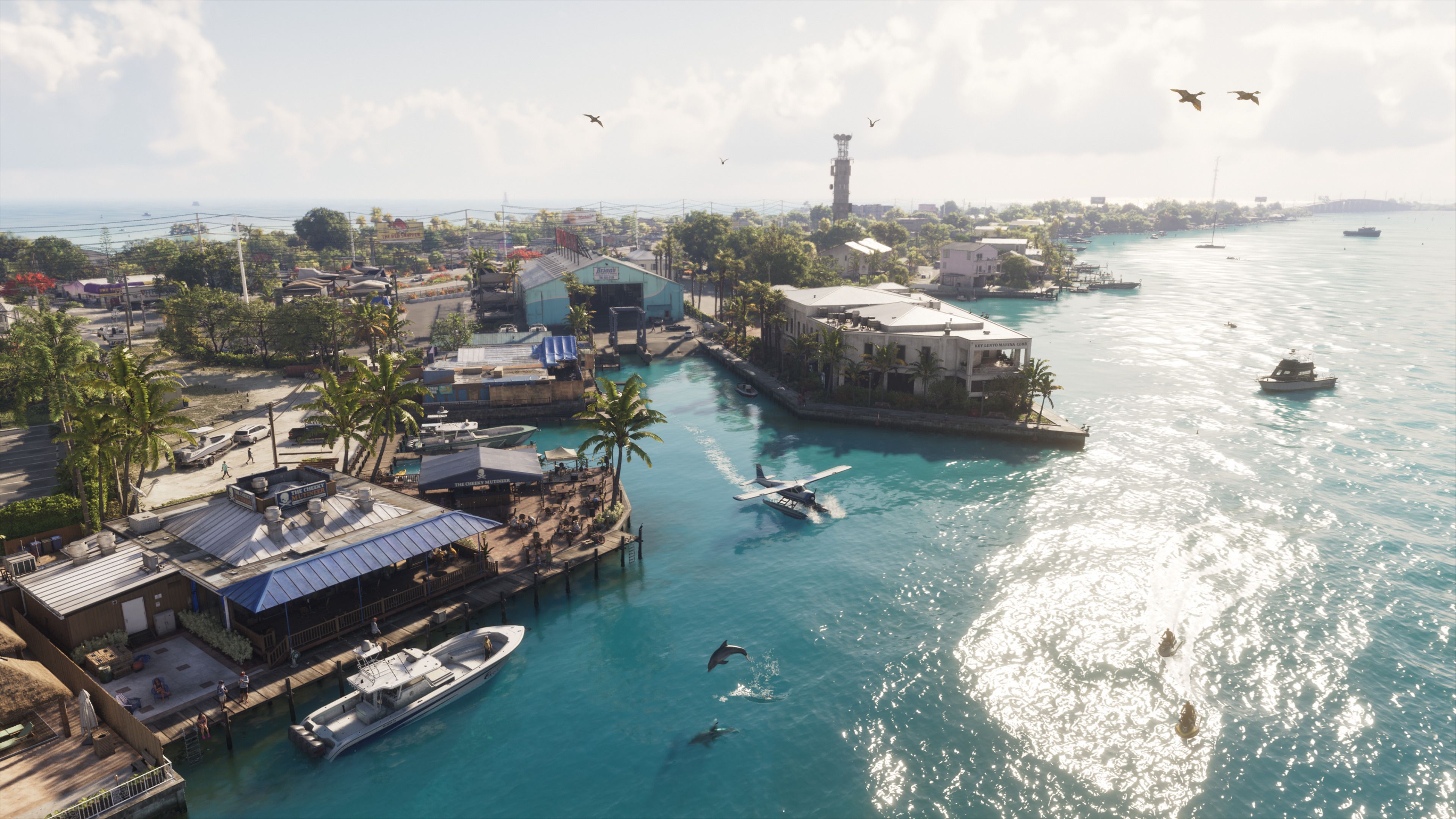
In that sense, GTA 6 reaches a creative summit occupied by very few games. It builds on the pleasures of exploration with intricate systems that make its world feel active even when the player is elsewhere. That marks a clear evolution from Ocarina of Time, where encounters often feel deliberately arranged for Link’s arrival. If Rockstar’s latest game reshapes the industry, its influence may be felt in the unmarked adventures players discover simply by investigating distant voices or an unusual scene.
Seen in that light, it is little surprise that GTA 6 has become a serious challenger to Ocarina of Time’s place at the top. It combines decades of established design ideas with nuanced characters, confident storytelling, and systems that make sandbox experimentation a source of delightful chaos. If a modern game deserves to be discussed alongside Nintendo’s landmark achievement, Rockstar’s latest may be it.

I understand why that comparison might feel uncomfortable. Having experienced the excitement surrounding Ocarina of Time firsthand, I have often treated comparisons with it as almost sacrilegious. It can be difficult to imagine placing any contemporary release alongside classics such as Super Mario Bros., Tetris, and Final Fantasy 7. The standard is exceptionally high. I can understand why some Zelda fans might want to protect that history from a hasty critical verdict, even if review-bombing GTA 6 on Metacritic is an absurd response and one the platform should address.
With age, though, I have come to see the danger in treating gaming’s canon as untouchable. This is still a young medium. Ocarina of Time may feel like ancient history, but it was released in the same year as The Big Lebowski. It is not a relic recovered from a vanished civilization. Developers are still exploring many of the same ideas and pushing them further. The fact that GTA 6 can enter this conversation suggests that games have continued to evolve rather than reaching an unsurpassable peak in 1998. In a medium with so much room left to grow, it would be more troubling if the standard never changed.
Related articles
 User Creates SNET, a Wireless Network Adapter for the Super Nintendo Entertainment System
 Former Dragon Age Producer Explains How EA Backed BioWare Into a Corner
 Intergalactic: The Heretic Prophet Won’t Be Ready on Schedule, Insider Says
 How to Disable Advanced Trackers in GTA 6
 Hollow Knight: Silksong Developer Breaks Silence on Sea of Sorrow DLC in New Showcase
 Grand Theft Auto VI’s Breakout Star Is Cool Dog: Here’s How to Meet Them
 Resident Evil Creator Dislikes Neural Networks but Uses AI in Game Development
 Capcom’s Dinosaur Hero Shooter Exoprimal Will Shut Down Next Year, Becoming Unplayable