Francis Lawrence Explains Why He Made the Darkest Hunger Games Film
Francis Lawrence, who has directed every Hunger Games movie except the first, likes to listen to music on set. He keeps one earbud in and leaves the other ear free to hear what is happening around him. While shooting the latest film, he added some unexpected tracks to his playlist.
“I found myself playing music that is a lot scarier,” Lawrence tells Polygon. His choices included the soundtrack to Midsommar. “Some of what I was listening to is actually some tracks from that movie.”
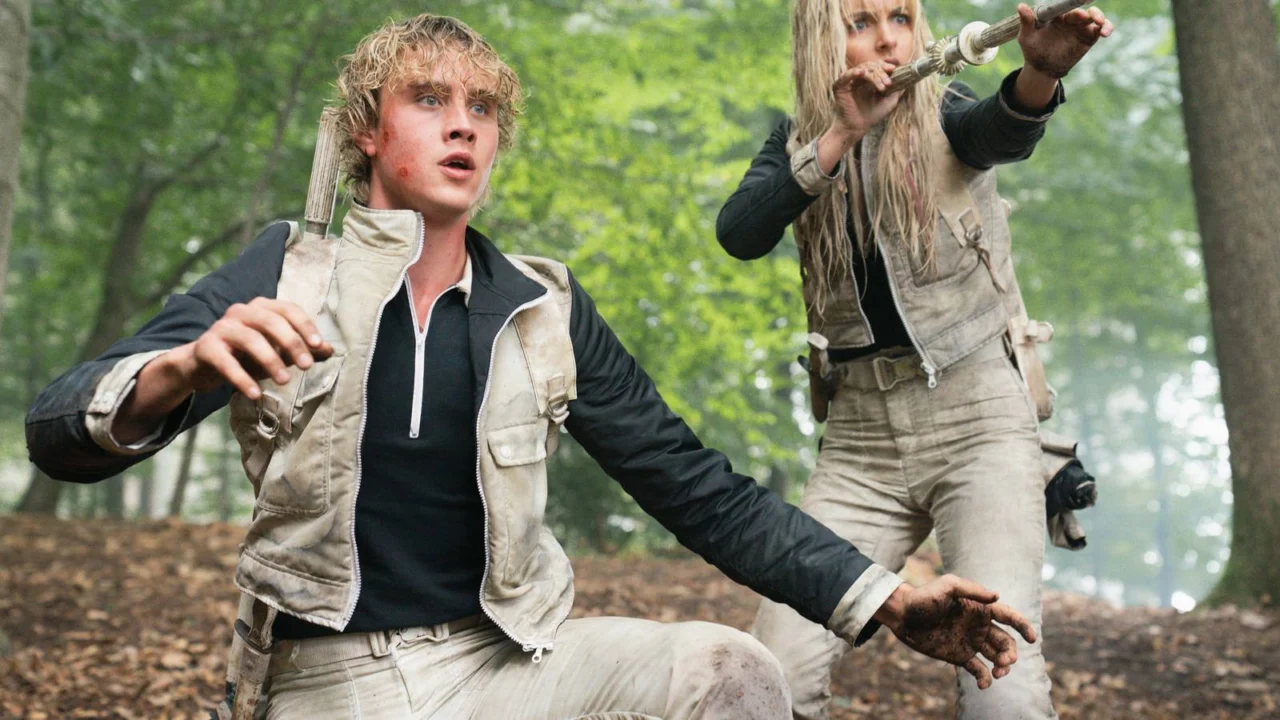
The influence shows in The Hunger Games: Sunrise on the Reaping, which brings a streak of horror to the franchise. The prequel centers on Haymitch (Joseph Zada), Katniss’ future mentor, and features more Hunger Games arena action than any entry since Catching Fire, long considered the franchise’s high point.
The film follows Haymitch’s failed attempts to bring down the Capitol and the government’s brutal retaliation, which costs him most of his friends and family. Its story carries a sense of dread rarely seen in the young adult genre.
Lawrence also embraced a late-1960s aesthetic to reflect the transition from the previous prequel, Ballad of the Songbirds, to the original Hunger Games movie. His playlist helped guide that choice, too.
“I started thinking of that ‘White Rabbit’ song from the ’60s, which brought me to that era,” he says.
Sunrise on the Reaping may be the franchise’s last film, as there are no more Suzanne Collins novels left to adapt for now. Lawrence and one of the film’s stars spoke to Polygon about its horror elements and the cost of resisting the Capitol.
Making horror that’s PG-13
Lawrence can’t pinpoint when Sunrise on the Reaping became a horror movie. He says he simply leaned into that aspect of the story.
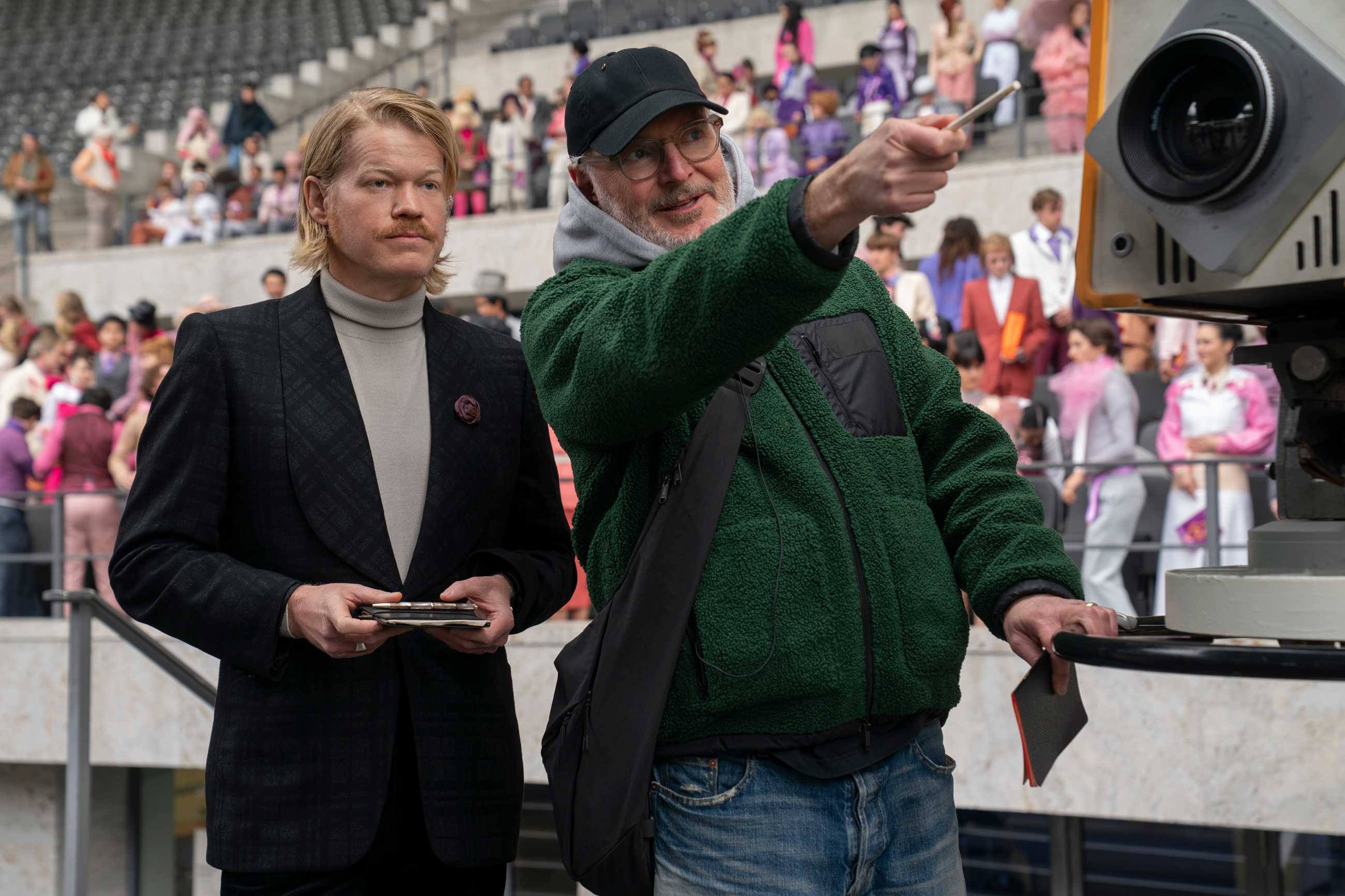
“I honestly can’t tell you the moment when I felt this kind of pivot from the other films into that zone,” he says. “It just felt like it was coming out organically.”
The arena looks like a lush, peaceful green field, encouraging tributes to hide in the trees. But the river water is poisonous, and squirrels and birds begin killing the children. The setting gives way to fairy-tale horror.
“I think part of the horror aspect came from the contrast of feeling how beautiful everything is. How beautiful it all looks, but how scary and dangerous it all really is,” says Lawrence.
The source material includes a girl crushed by an upturned chariot and multiple heads being ripped off. Lawrence had to tone down that gore for a PG-13 audience.
“In the book there’s a scene of one character holding the head of a child. And I’m just thinking to myself, ‘Suzanne, what are you doing to me? This is never gonna be in the movie,’” he says, laughing. “If this was my last movie, The Long Walk — that was rated R, we could do that kind of thing.”
Instead of showing the gore, Lawrence chose to convey its emotional impact. The camera lingers on Haymitch’s face as his friends die painfully in front of him and he can do nothing but watch.
“It’s never really, ‘It’s emotionally too much.’ I want to push the emotion as much as possible as long as it feels authentic and honest,” he says.
The cost of fighting back
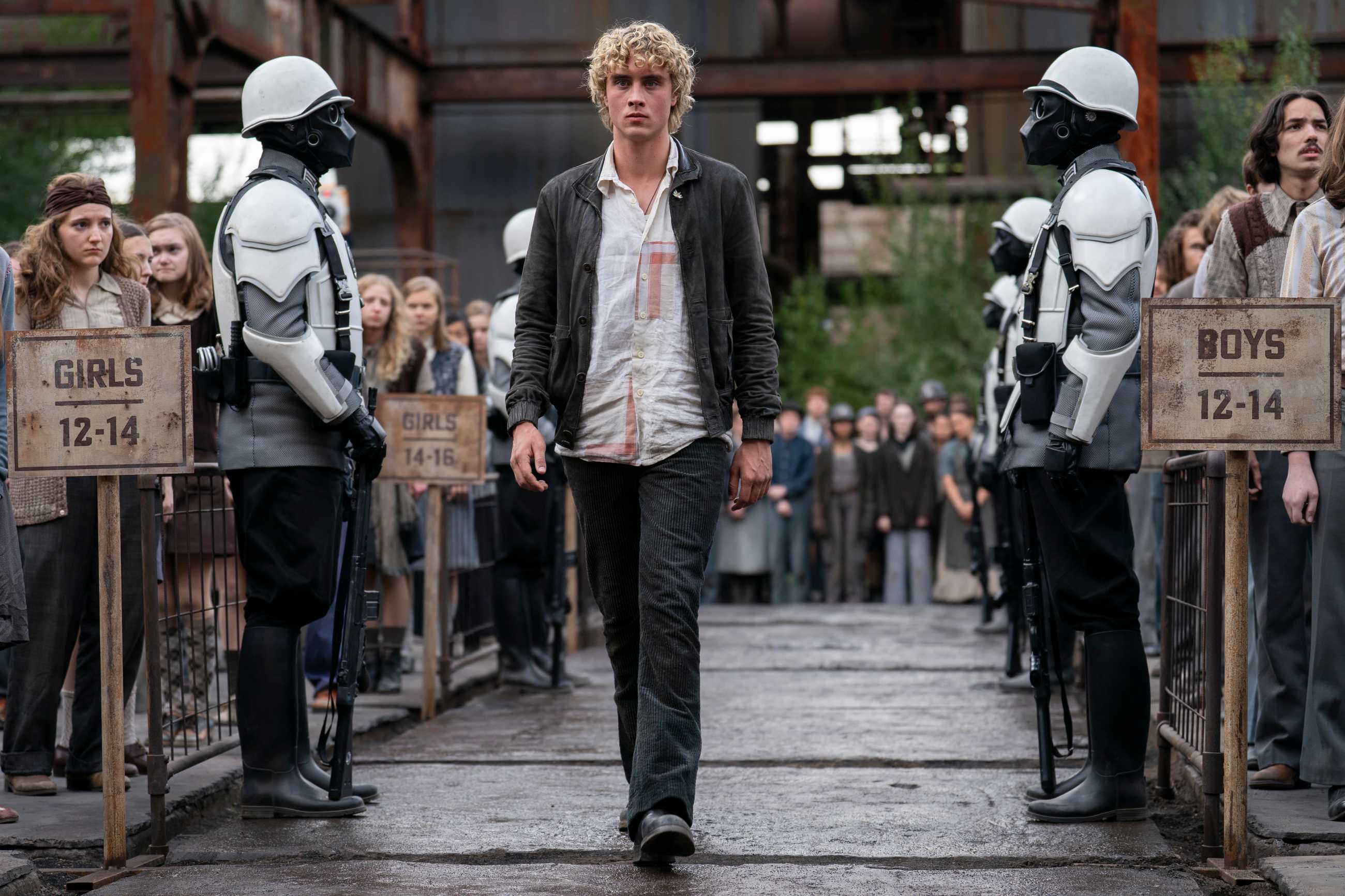
Haymitch isn’t the only character the state punishes. The Hunger Games franchise repeatedly depicts the Capitol as an authoritarian government that suppresses dissent.
Beetee (Kelvin Harrison Jr.), a victor of an earlier Hunger Games, tried to take down the government’s communications system in protest. As punishment, his son is reaped, or selected for a future Hunger Games tournament. For Harrison Jr., Beetee’s relationship with his son was the way into the character.
“It was really locking in on Beetee as a father,” he tells Polygon. “That’s a really hard thing to navigate — knowing that you were so brilliant and you were able to survive this really unfortunate system and come out alive, but yet here you are being punished for being brilliant and not being able to save your own son.”
Harrison Jr. has only a few scenes, but Beetee helps convey the Capitol’s cruelty and establish Haymitch as a rebel. Even though Beetee cannot save his son, he remains committed to the rebel cause.
“It’s choosing and picking your battles,” Harrison Jr. says. “It’s almost surrendering to the situation while also still being in control of what you can control.”
Harrison Jr. took over the role from Jeffrey Wright, who played Beetee in three previous films in the franchise.
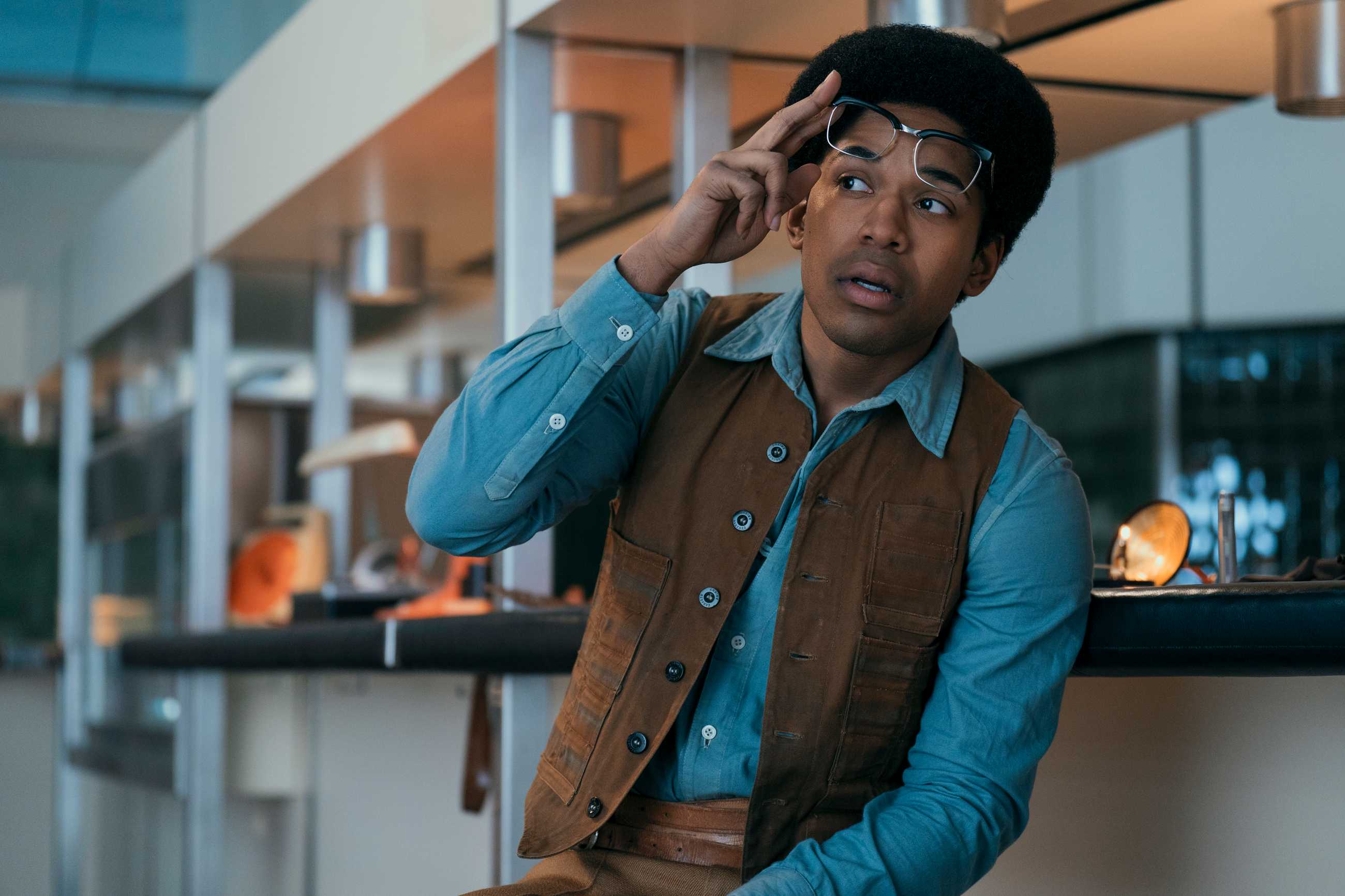
“I’m a huge Jeffrey Wright fan. He’s one of my favorite actors of all time,” Harrison Jr. says.
The actors know each other well. They worked together on Monster and an upcoming Jean-Michel Basquiat biopic.
“I was actually on set with him a week before I came to shoot Hunger Games, working on a different project. I talked to him about it, and he shared his excitement for Beetee. It was so funny because he was doing it while he was on his laptop, doing some coding, so I was like, ‘This is so Beetee of him,’” he says.
Beetee is another franchise character for Harrison Jr., who also voiced Scar in Mufasa: The Lion King. The actor sees a connection between the mild-mannered coding genius and the theatrical Disney villain.
“I kind of feel like they’re one and the same. They’re here to disrupt circumstances and systems that may not necessarily make sense,” he says.
“I love a disruptor.”
The Hunger Games: Sunrise on the Reaping is in theaters now.
Source: Polygon
Related articles
 You Are Empty Remaster Returns to Steam After Copyright Controversy
 Urban Geography Researcher Explains Why GTA VI’s World Feels So Realistic
 Vampire-Werewolf Feud Remains a Hollywood Fantasy Staple
 Enthusiasts Push GTA VI to 40 FPS on PlayStation 5
 Former Xbox Head Phil Spencer’s Retirement Shows His Love of Games
 Shang-Chi 2 Moves Forward With Writer Dave Callaham
 Silent Hill 2 Remake Developers Reveal Plans for 2027
 Analysts Don’t Expect PS5 and Xbox Prices to Drop for Several More Years