Forget Open-World RPGs: No Game Needs to Be Longer Than 40 Hours
I’m certainly not one to mandate how long a game should be. Every title possesses a unique identity and design philosophy that naturally dictates its runtime. It’s perfectly fitting for a snappy arcade experience like Star Fox to be short and infinitely replayable, whereas a sprawling project like 007 First Light requires its 20-hour window to effectively weave a compelling origin story.
That said, I’m planting my flag firmly on this hill: No RPG has any business exceeding 40 hours. Period.
 |
Polygon Spicy Takes Cookout Fireworks, flame wars, and our boldest opinions over the holiday weekend. |
| Spice things up→ | |
I realize that sounds like blasphemy to genre purists—and in my defense, it is our “Spicy Takes” weekend here at Polygon. However, the reality remains that I’ve encountered very few massive RPGs that justify their bloated length. I’ve abandoned games I genuinely loved at the 50-hour mark, simply because the late-game grind left me too exhausted to reach the finale. In an era where there are more high-quality games—and far too many massive RPGs—competing for our limited free time, I’m urging the industry to address a pacing crisis that has been clogging my backlog for years.
Before I proceed, I’ll acknowledge the counterargument. I grasp the allure of a long-form RPG, especially when new game prices are pushing $80. Many players have tight budgets and can only commit to a handful of titles per year. If you want maximum value, the prospect of a massive adventure that lasts for months is undeniably attractive.
Some games certainly earn that scale; I invested 90 hours into Persona 5 and felt almost every minute was purposeful. A 40-hour cap isn’t a rigid one-size-fits-all rule, but I would challenge any developer to find a game that wouldn’t be improved by more ruthless editing.
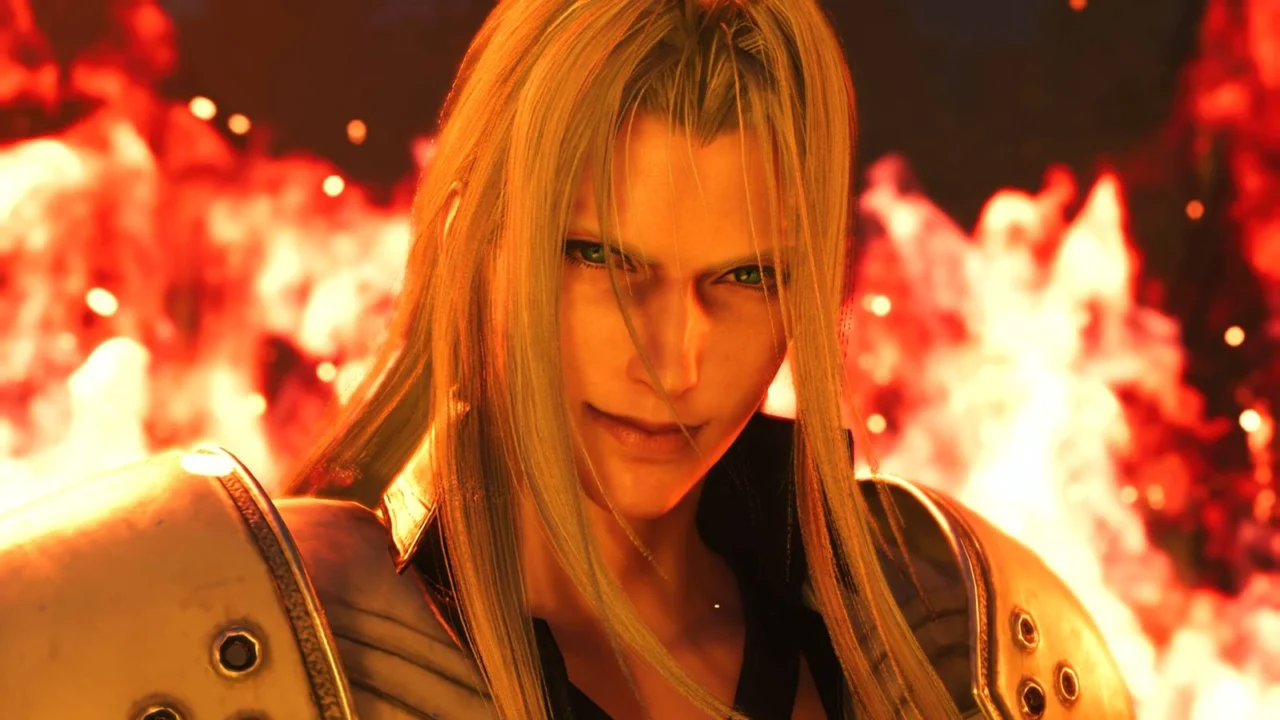
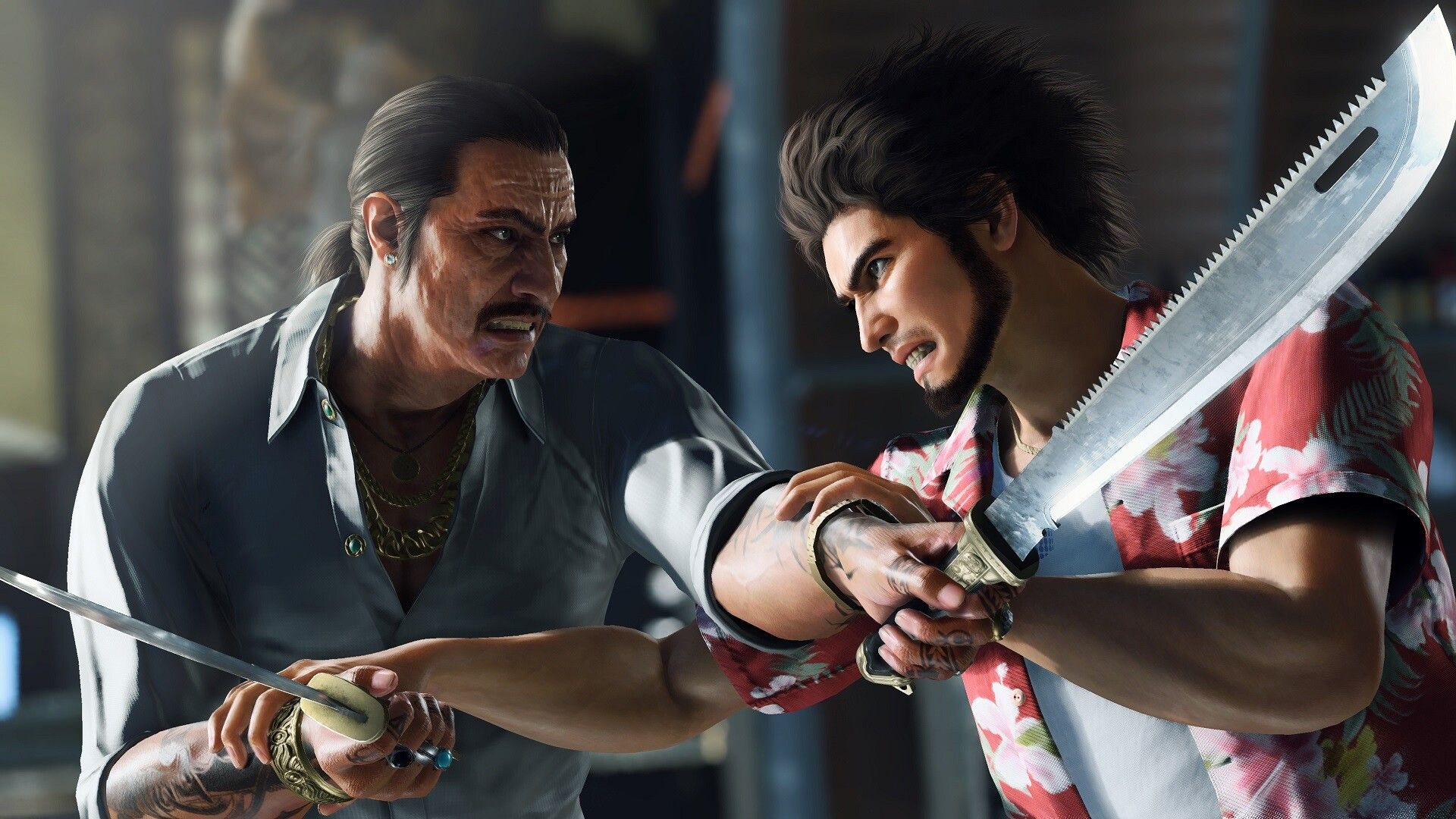
My disdain for bloated RPGs stems from two areas: storytelling economics and gameplay fatigue. I’m a proponent of a “less is more” approach, which is difficult to execute when you’re straining to hit a 60-hour minimum. I’ve found myself deeply engaged with games like Bravely Default, only to have the momentum crushed by endless, circuitous dialogue that barely progresses the plot or deepens the cast. Both Final Fantasy 7 Rebirth and Like a Dragon: Infinite Wealth fall into a similar trap; despite their high production values, neither sequel resonates quite as strongly as their predecessors, largely because they are weighed down by overstuffed, meandering narratives.
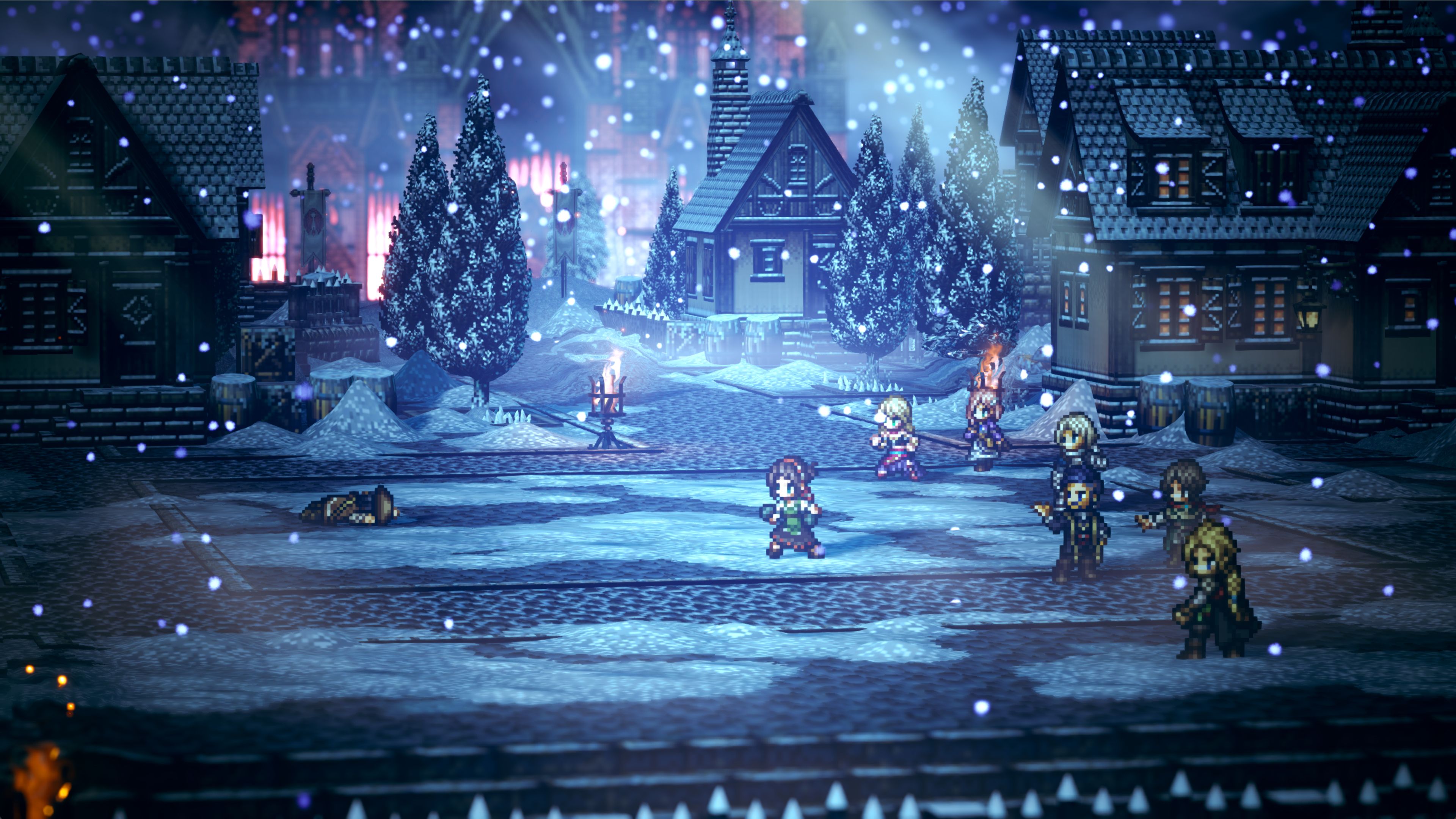
For other titles, the issue isn’t the story—it’s the mechanics. The Octopath Traveler series, for example, features a fantastic job system that encourages experimentation. Yet, that joy evaporates when you’ve spent 400 random encounters mindlessly cycling through the same optimal moves against enemies you’ve bested dozens of times before. If a game forces you to solve its combat puzzle early on, you’re essentially just going through the motions for the remaining 40 hours.
Defenders often argue that the length is the feature, providing a canvas for hyper-specific “min-maxing” and build-crafting. It’s hard to imagine a masterpiece like Elden Ring without its sheer scale. That’s a fair point, but let’s be honest: 40 hours is still a massive commitment. That’s enough time to binge-watch an entire season of prestige television—and even that can feel like an eternity.

Conversely, some of my favorite recent RPGs prove that brevity is a virtue. Dragon Quest 7 Reimagined streamlines one of the genre’s most notorious time-sinks without sacrificing its charm. Its snappy pacing makes for a wonderful experience that respects your time by clocking in at 40 hours or less. Similarly, Granblue Fantasy Relink packs the cinematic spectacle of a blockbuster into a tight 15-hour package that never wastes a single second. Avowed also nails this sweet spot, keeping me engaged through its main path and side quests while wrapping up comfortably around the 40-hour mark. That’s the dream.
I’m not suggesting RPGs should be short, but I am saying life is too finite to spend time on games that only become enjoyable after 40 hours of “homework.” As Isaac Brock famously said, “Life is too short to listen to ‘Freebird'”—a sentiment that, quite frankly, also applies to many modern, bloated RPGs.
Source: Polygon
Related articles
 Valve Starts Adding NVIDIA GPU Support to SteamOS
 FunnyPlaying Reveals Specifications for FPGB Mini Portable Console
 Valve Confirms Over 70 Compatible Games for Upcoming Steam Frame Launch
 Zero Parades: For Dead Spies to Get New Version with Additional Content
 Zach Cregger’s Resident Evil Projected to Gross Over $80 Million in Opening Weekend
 X-Men Comics Reveal Magneto’s Successor
 Tank Chair Anime Trailer Features Absolute Ruler of the Academy
 Heart Machine, Developer of Hyper Light Drifter, Lays Off “Nearly Everyone”