
Five Classic Sci-Fi Books With Flawless Beginnings and Endings
Science fiction contains multitudes. A sci-fi book pushes the limits of speculative fiction, posing what if scenarios about science, technology, and the human condition. The setting can be grounded or dystopian, but the sense of wonder lies in exploring worlds that are different from our own. Everything from The War of the Worlds to Fahrenheit 451 understands the genre appeal by presenting scenarios both plausible and fantastical.
When it comes to exceptional science fiction, readers have many options. Thousands of worthwhile stories exist, but finding a great book that never drags is rare. However, some sci-fi novels are engaging from the first page to the last. Here are five classics to read.
1. Dune (1965) by Frank Herbert

Some novels are deemed unadaptable due to their sheer narrative scope. Frank Herbert’s Dune fit that mold for a long time. David Lynch took an eccentric stab at the source material in 1984, but Denis Villeneuve’s ongoing Dune trilogy is the most successful and celebrated adaptation of the book so far. Dune is set in a futuristic feudal society where a young Paul Atreides contends with his prophetic visions once his family accepts stewardship of the desert planet of Arrakis. Although Arrakis dunes can only be expertly navigated by the native Fremen, the planet holds the only source of spice melange, a valuable drug that powers space navigation and clairvoyant foresight.
The worldbuilding of Dune is complex. Herbert wrote a cautionary tale about messianic figures and how ecological scarcity is used as a political tool by colonizing forces. Although the Dune saga continues beyond the first novel, the 1965 book is sprawling enough to provide a robust idea about Paul and his eventual fate. Dune highlights how religion often becomes a propagandist weapon for those with vested interests. This is a world where advanced technology does not exist, putting the onus on humanity and flawed ideologies.
2. The Left Hand of Darkness (1969) by Ursula K. Le Guin
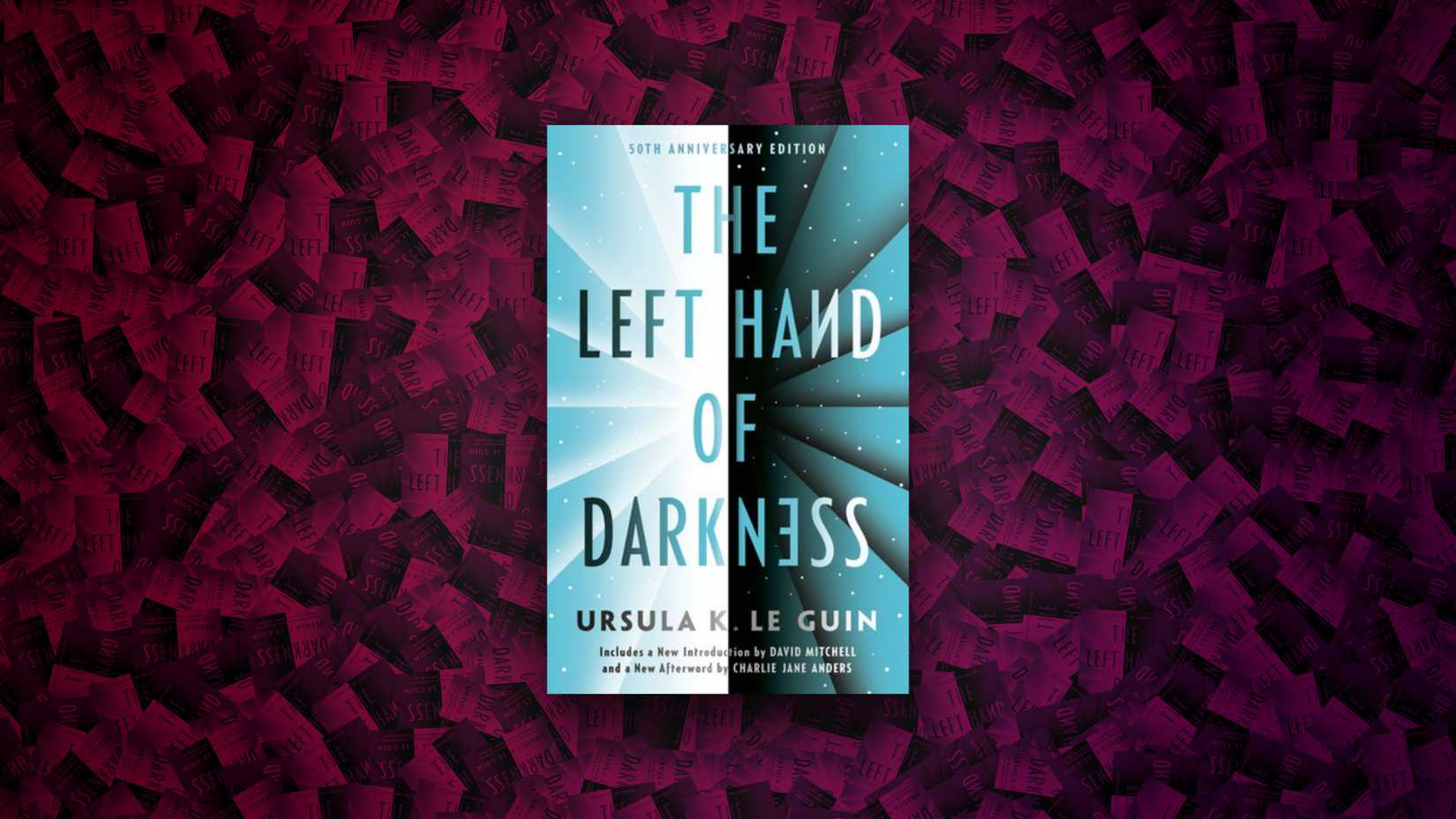
Ursula K. Le Guin’s The Left Hand of Darkness is the fourth entry in the Hainish Cycle, and it catapulted the author to prominence. The story follows Genly Ai, a human native of Terra sent as an envoy to the planet Gethen on behalf of an interplanetary confederation named Ekumen. Ai needs to convince the Gethen to join Ekumen, but he struggles to understand their ambisexual nature and non-patriarchal culture. With no rigid gender roles to define their society, the Gethen do not experience violent misogyny or related societal evils. This social fluidity stuns Ai, who cannot comprehend these complexities.
The Left Hand of Darkness examines how gender and sexuality shape societal values, and whether human behaviors connected to those concepts are innate or taught. Le Guin builds Gethen with impressive depth, layering its icy environment with local folklore, complex history, and religious creation myths. Ai is an outsider upon his arrival, and he must overcome his biases to survive. The only way to survive among people different from you is to foster genuine connection and trust.
3. Neuromancer (1984) by William Gibson
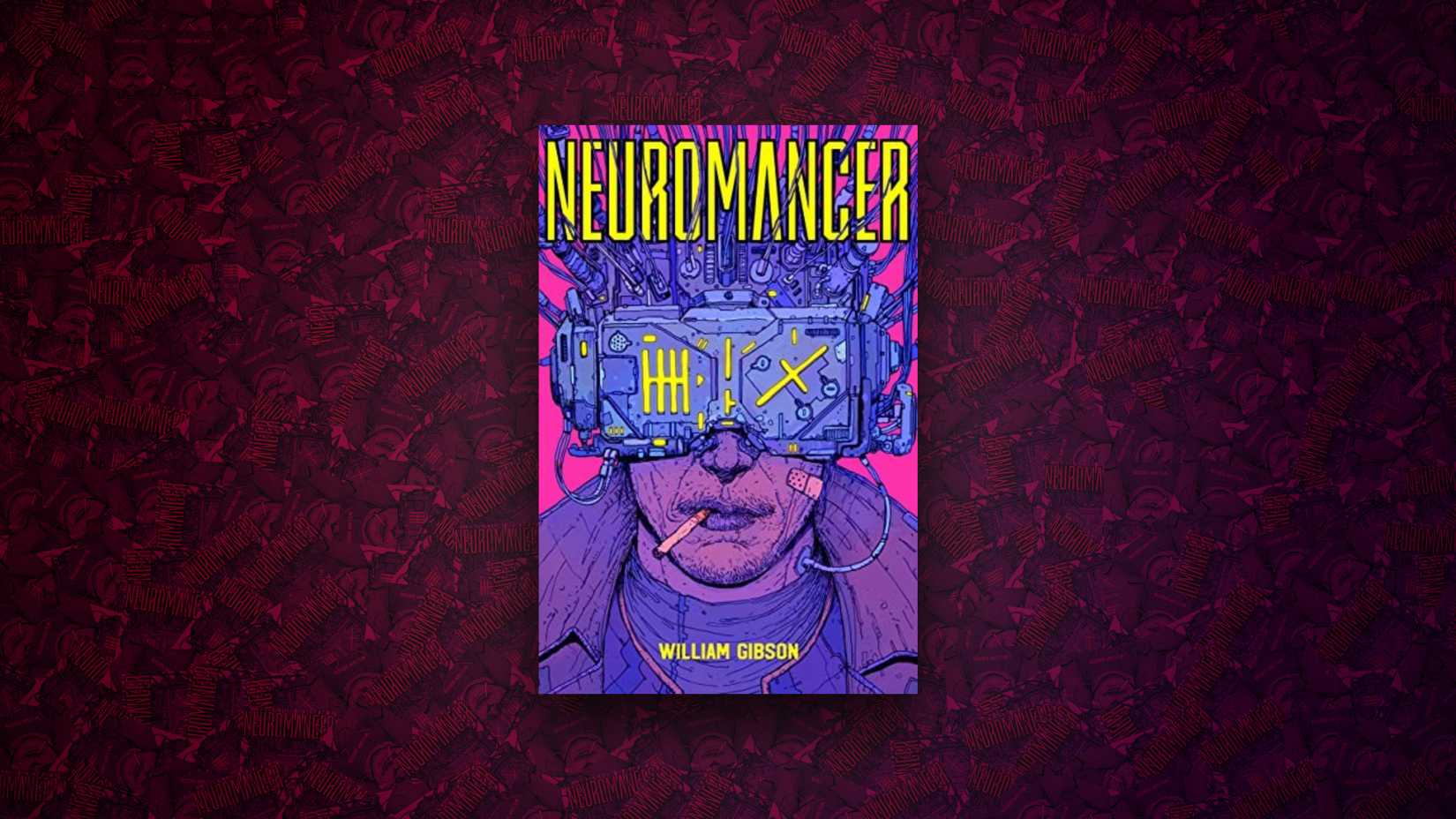
Neuromancer is foundational to our understanding of cyberpunk. William Gibson explores concepts that are now an integral part of the genre, including hackable cyberspaces, the act of jacking in, and a shared digital hallucination known as the Matrix. The novel opens with a low-level hustler named Case trying to find a cure in Chiba City after his central nervous system was damaged by previous employers. Case is approached by the mercenary Molly, who introduces him to someone offering a cure in exchange for his services. Case must complete these jobs because failure means permanent damage to his physical health.
Neuromancer showcases a nuanced understanding of artificial intelligence and how a sentient AI can act with malice, as seen in the antagonist Wintermute. Although this world teems with metropolises, the standard of living for the average person is dire. Cybernetically enhanced characters are plagued with anxiety and burnout, forced to sell their souls to mega-corporations just to survive. Gibson’s prose feels poetic and abstract, making Neuromancer an essential sensory experience for sci-fi readers.
4. Childhood’s End (1953) by Arthur C. Clarke
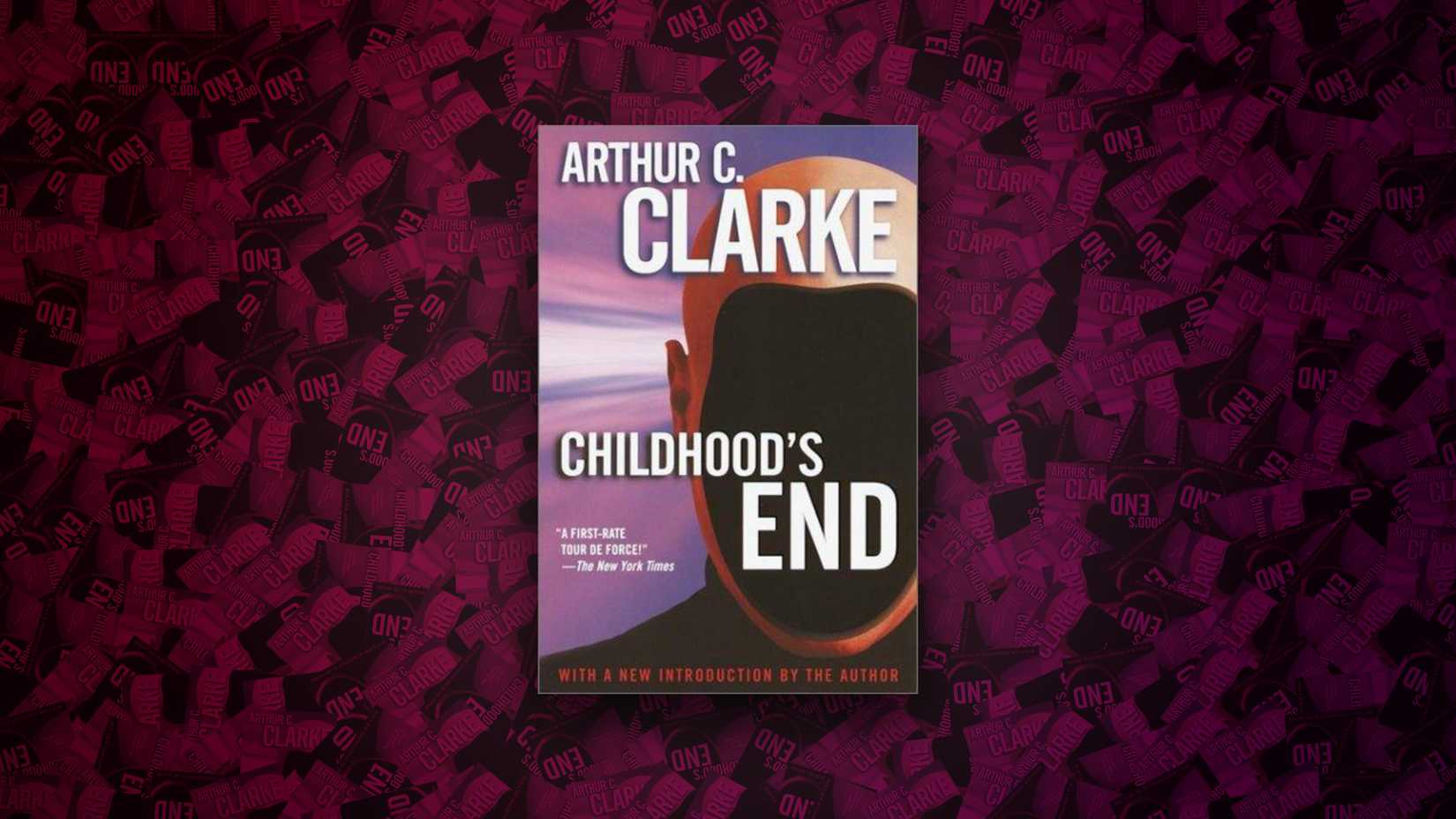
Arthur C. Clarke is best known for 2001: A Space Odyssey and Rendezvous with Rama, but Childhood’s End is a classic that subverts the alien invasion trope. Set in the late 20th century against the backdrop of the Space Race, alien spaceships suddenly invade Earth. This invasion is peaceful because the extraterrestrials do not use force and declare themselves Overlords who wish to prevent humanity’s extinction. Humanity enters a Golden Age at the cost of ingenuity, creativity, and progress on human terms.
Clarke mulls over the philosophical dilemma of what progress means. Although the Overlords seem benign, their intervention stagnates human progress and robs humanity of its identity. When utopia is achieved, everything becomes homogenized, leading to the loss of dissent and diverse ideas. Individuality becomes a myth in a paradise. Childhood’s End introduces themes about conformity and identity while painting a picture of a bleak future where the beauty of diversity is lost.
5. Roadside Picnic (1972) by Arkady & Boris Strugatsky
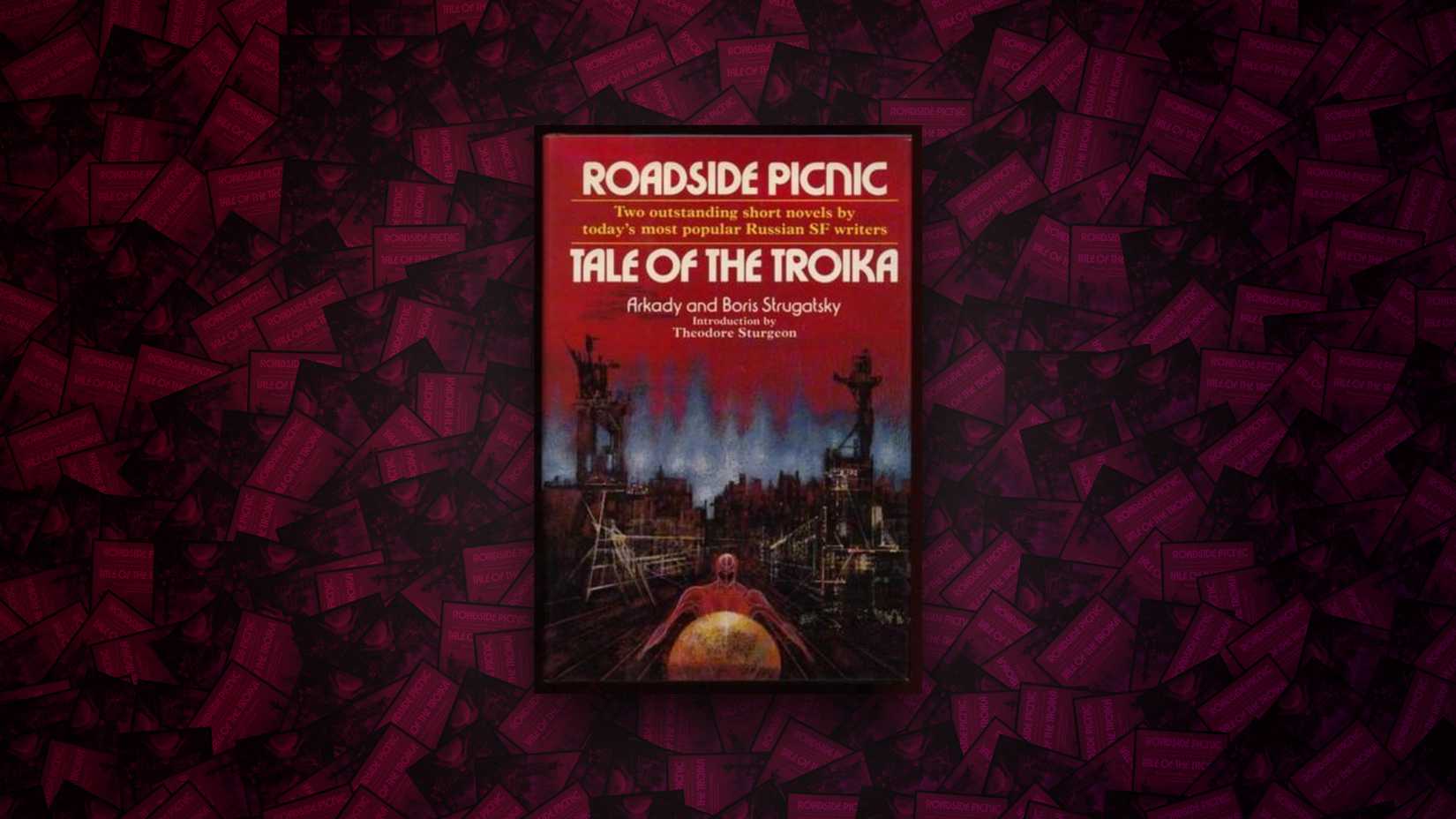
Andrei Tarkovsky’s Soviet sci-fi classic Stalker is loosely based on Roadside Picnic. Arkady and Boris Strugatsky’s source material is brilliant. In the book, people known as stalkers illegally venture into an area called the Zone to steal rare and mystifying artifacts. The story begins with a young stalker named Redrick Schuhart, who enters the Zone with his boss to retrieve a unique artifact. This action sets off a chain of tragic events, making Redrick question reality and the source of human desires.
Roadside Picnic explores a no-man’s land with extraterrestrial origins. The Zone does not adhere to human laws, and the objects found within are incomprehensible. Redrick’s arc highlights human insignificance as he repeatedly jeopardizes his safety to sell commercially viable artifacts. These artifacts become black market goods that expose human greed and corruption. The horror of Roadside Picnic is existential, and moral decay feels more horrifying than the threat of monsters.
Source: Polygon
Related articles
 DC Studios Releases Final Trailer for Body Horror Film Clayface
 Sabrina Carpenter Joins Cast of Tom Holland’s Fred Astaire Biopic
 Football Manager 27 Expected to Run on Older PCs Due to System Requirements
 Game Informer Announces Exclusive GTA VI Details Ahead
 World of Warcraft Forever’s Plan to Bring ‘Classic Plus’ to New and Old Players
 GTA VI Collector’s Edition Items Prompt Fan Speculation Over Reused Rockstar Concepts
 GTA VI Collector’s Edition Resold at Markup Despite Availability on Rockstar Site
 Cecil from Final Fantasy IV to Return in Final Fantasy Resonance Trailer