Five Books to Read Before You Die
A list of books to read before you die could go on indefinitely. Older works are reassessed, familiar classics are read in a new light, and contemporary books join an already vast library.
Taste matters, too. Not everyone connects with Great Expectations or Les Misérables, regardless of their artistic merit. With that in mind, Polygon has selected five books worth reading, from familiar classics to less obvious choices.
1. The Brothers Karamazov (1880) by Fyodor Dostoevsky
Fyodor Dostoevsky wrote his final novel, The Brothers Karamazov, while facing failing health and profound grief. The philosophical novel raises questions about faith, morality, and skepticism. It also explores human evil and the ways it can appear in ordinary impulses such as greed and hedonism.
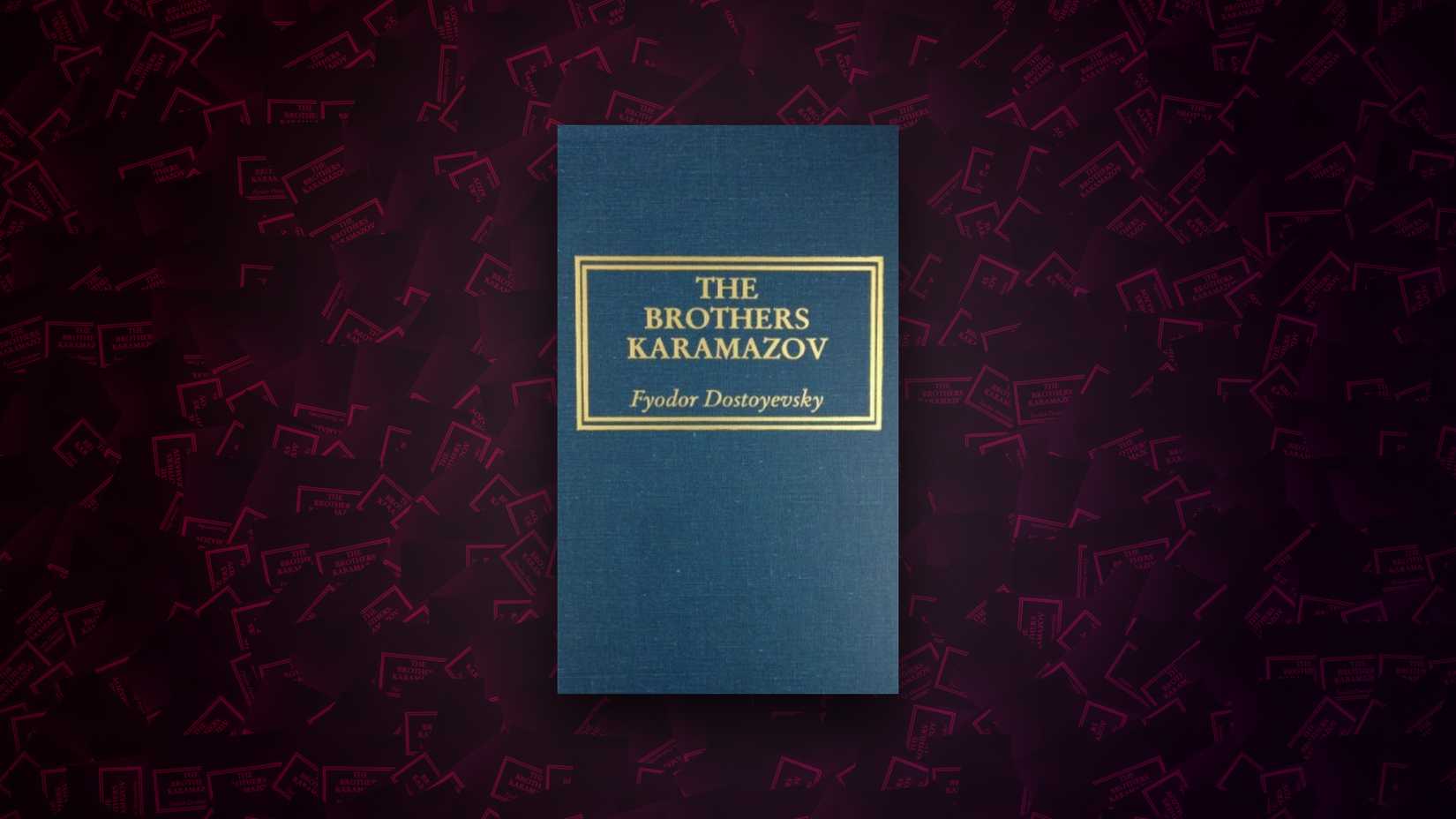
The story opens with wealthy landowner Fyodor Karamazov neglecting his three sons, Dmitri, Ivan, and Alyosha. Dostoevsky draws a detailed portrait of the dysfunctional family as an inheritance dispute gives way to scandal. After a murder, the novel becomes a tense courtroom drama. Each brother represents a human archetype through which Dostoevsky considers free will.
Less relentless and claustrophobic than Crime and Punishment, The Brothers Karamazov is sweeping and dramatic in its examination of character and human behavior.
2. Things Fall Apart (1958) by Chinua Achebe
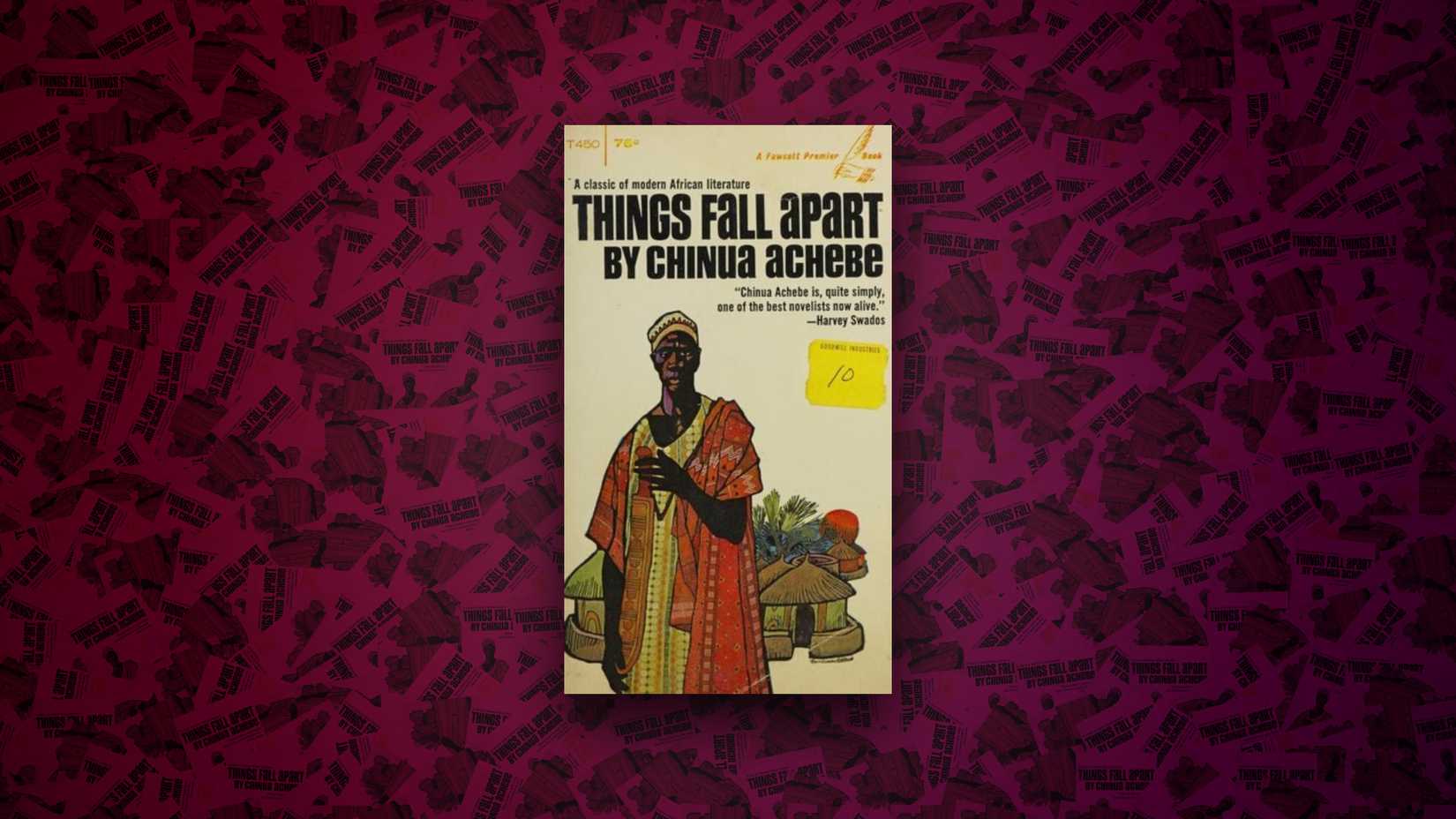
Chinua Achebe’s Things Fall Apart, a milestone in African literature, follows Okonkwo, an influential leader in a fictional Igbo community. An accomplished warrior and champion, Okonkwo vows to be nothing like his alcoholic, flute-playing father.
After Okonkwo takes a boy named Ikemefuna as his ward, the village oracle declares that the child must be killed. The event haunts Okonkwo, who later opposes colonialism and seeks to reclaim his people’s dignity. Achebe offers a perspective missing from much colonial literature, which often portrayed Igbo culture through a biased lens.
Achebe’s debut novel depicts local customs, laws, and traditions in detail. Its flawed but heroic protagonist tries to hold on to tradition amid political and social upheaval. The book also examines how colonizers enter local cultures and turn close-knit communities against one another, fracturing their shared history and heritage.
3. The God of Small Things (1997) by Arundhati Roy
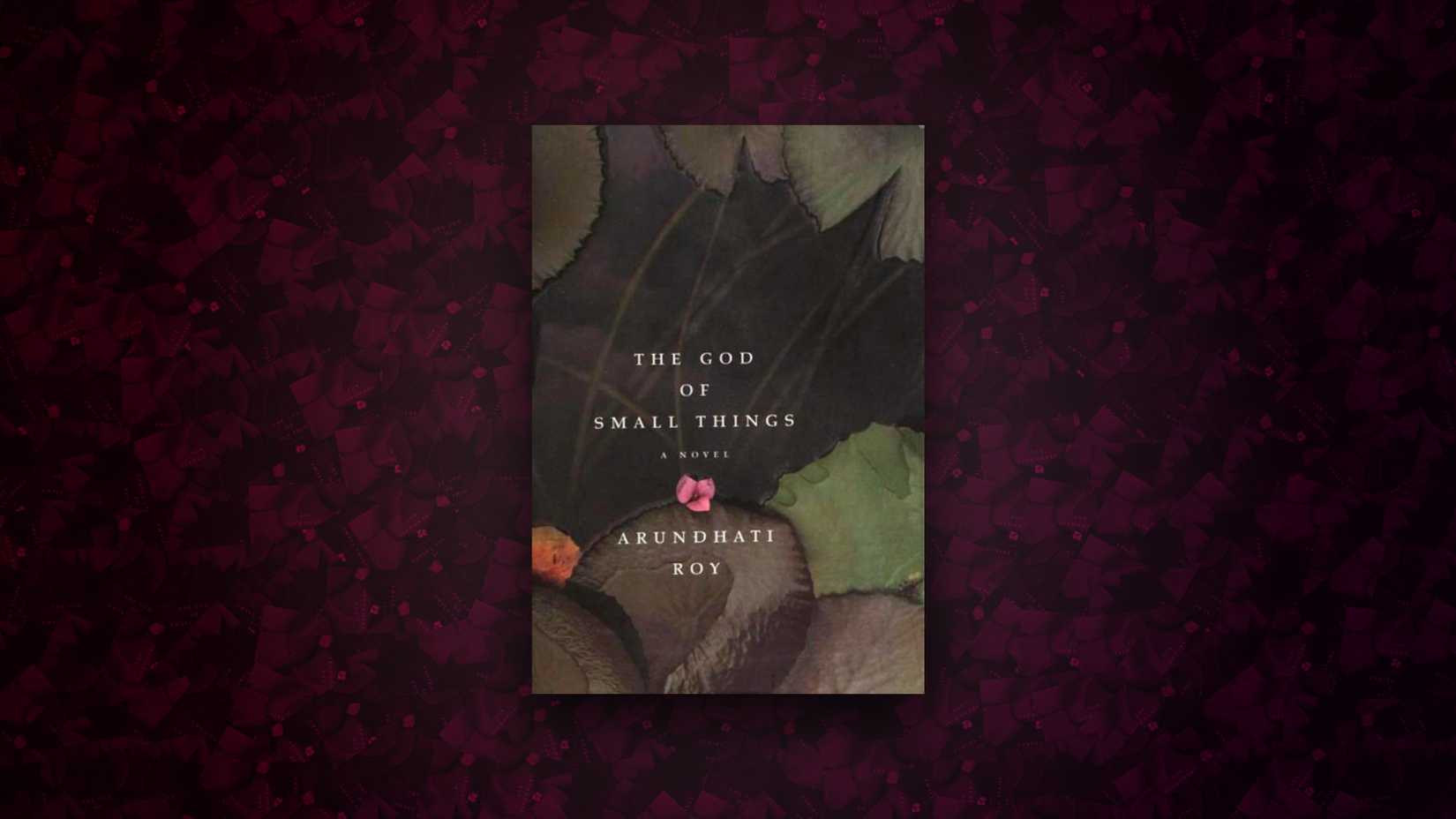
Arundhati Roy’s The God of Small Things examines vulnerability under rigid social rules. Fraternal twins Estha and Rahel grow up amid family tensions and the arrival of their British cousin in India. Roy tells their story through a fragmented narrative, exploring how social discrimination, colonialism, and local politics affect their lives.
The vivid, sensory prose often reflects the children’s tactile way of experiencing the world. Roy moves between historical upheaval and intimate moments, including the beauty of growing up and the wonder of young love. She also critiques caste-based practices that stand in the way of a romance between a divorced woman and a carpenter.
The novel moves back and forth through time, weaving the brutality of British rule into these personal tragedies. Roy’s inventive language evokes memory and the loss of childhood innocence in a postcolonial world.
4. The Secret History (1992) by Donna Tartt
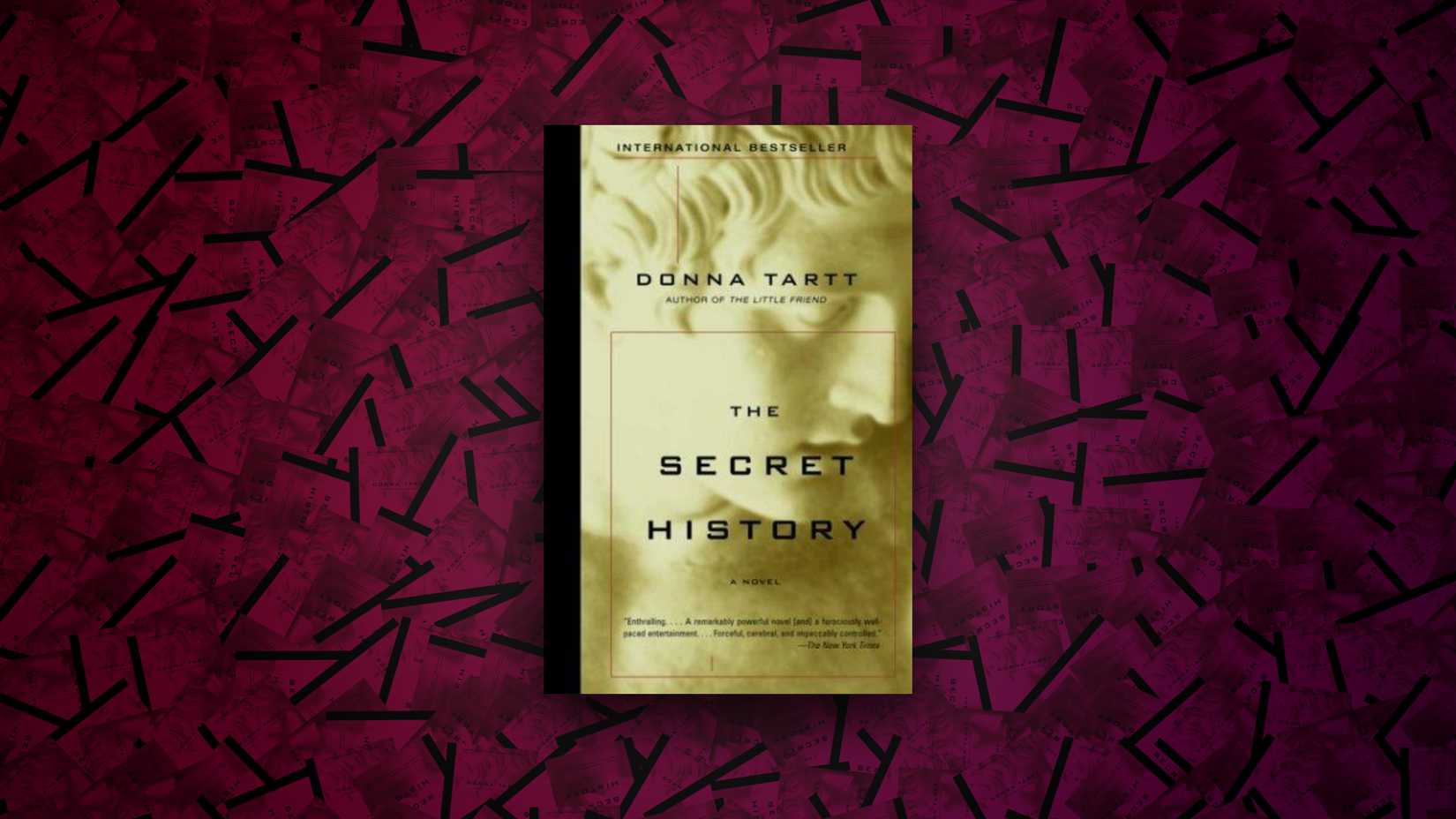
Donna Tartt’s The Secret History, a foundational work of dark academia, is set at an elite liberal arts college in Vermont. Richard Papen joins an exclusive classics and Greek class in an effort to fit in. His wealthy classmates have been handpicked by their professor and take their social isolation as evidence of intellectual superiority.
The novel opens by announcing the murder of one of the students. It then unfolds as an inverted detective story, tracing why the killing happened, how the others were responsible, and how the death affects them. Richard’s account is unreliable. He admits to lying, and his biases distort his view of events and his classmates.
Through layered prose and Greek ideals, Tartt examines morality and the dangers of romanticizing intellectual elitism. The students’ sheltered world gives way to consequences they are ill-equipped to face.
5. Perfume: The Story of a Murderer (1985) by Patrick Süskind
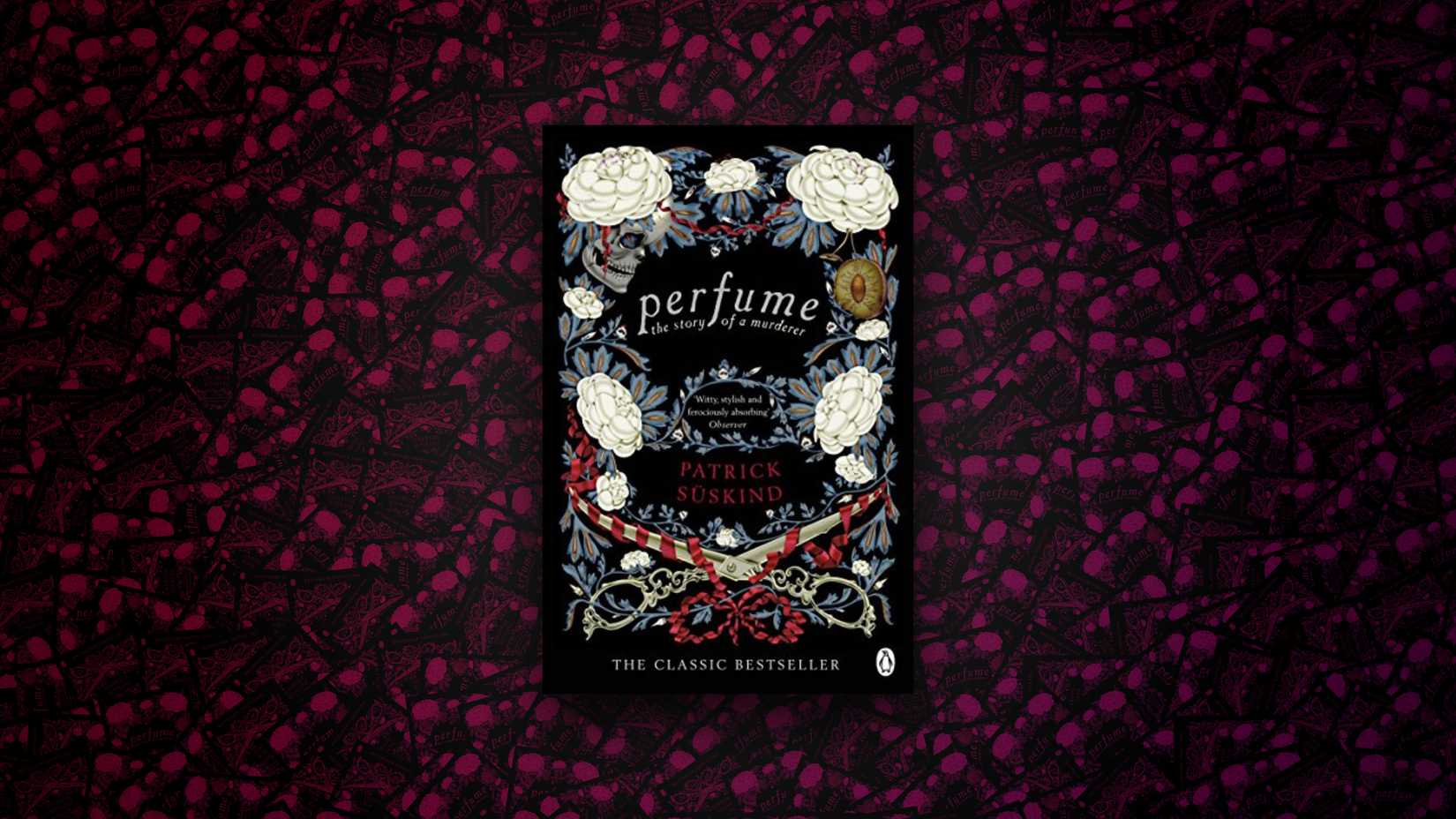
Patrick Süskind’s Perfume: The Story of a Murderer explores the human relationship with smell through Jean-Baptiste Grenouille, an orphan in 18th-century France. Born with an extraordinary ability to distinguish subtle scents, Grenouille is drawn to perfumery. After encountering a young girl with an arresting scent, his fascination becomes a morbid obsession with capturing human scent to make an exquisite perfume.
Grenouille has no scent of his own. Süskind uses his story to explore morality, desire, and alienation. Never loved as a child, Grenouille grows up without empathy and treats people as material for his work. His story ends in a bizarre and disturbing fashion.
Source: Polygon
Related articles
 Shooter Black Ported to Browser With Multiplayer Support
 IL-2 Series: Korea Will Get Improved Graphics, Including Sunsets Below the Horizon
 Minimalist Zombie Strategy Game Launches on Steam, Draws Thousands of Players and Overwhelmingly Positive Reviews
 Nikita Buyanov Gives Away Moonshine and Shows Updated Interchange Exit in Escape from Tarkov — Promo Code Released
 10 Most Overlooked RPGs of the Past Decade
 New Recon: 1944 Teaser Shows Guarded Railway Tracks and Tunnels
 Euro Truck Simulator 2 to Get Hundreds of New Buildings in UK Update
 Final Avengers: Doomsday Trailer Coming Soon, Description Leaks Online