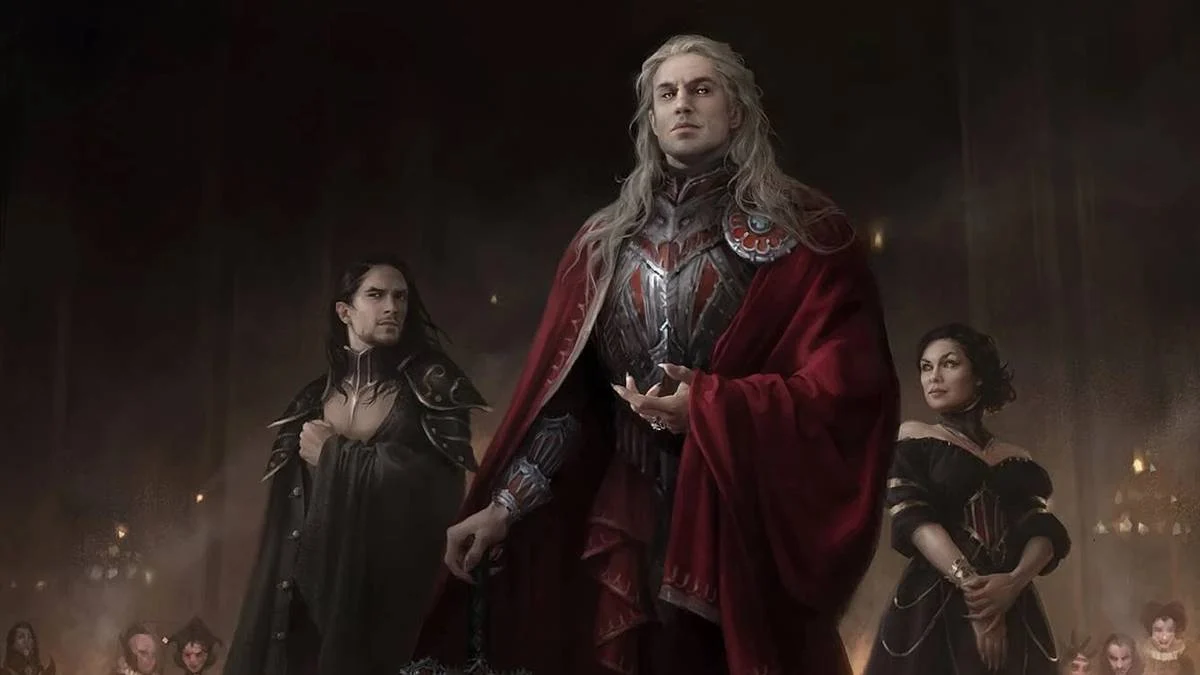
Edgar Markov Nearly Broke Magic: The Gathering’s Commander Format
Most commanders in Magic: The Gathering have to reach the battlefield before they can do anything. Edgar Markov can make you a threat while he’s still in the command zone. Cast a one-mana vampire on your first turn, and Edgar gives you a second vampire for free. Cast two more on turn two, and you have six creatures before some players have cast their first spell.
Nine years after his debut in Commander 2017, Edgar ranks second on EDHREC, with more than 52,000 decks tracked over the past two years. His Eminence ability helps explain his popularity. Wizards of the Coast has also acknowledged that the ability was a mistake.
While many people spend Black Friday buying holiday presents, Polygon celebrates vampires and vampire-adjacent subjects with Fangsgiving. Edgar is a fitting subject: He sired vampires across an entire plane before becoming one of Magic: The Gathering’s most lethal and controversial commanders.
The origins of Edgar Markov
Magic introduced Edgar’s grandson first. Sorin Markov debuted as a mono-black vampire planeswalker in 2009’s Zendikar. He had unfinished business with the Eldrazi, whom he had helped imprison thousands of years earlier.
Two years later, Innistrad took players to Sorin’s home plane. In Wizards of the Coast’s A Planeswalker’s Guide to Innistrad, a description of a hilltop estate in Stensia identifies its owner as Edgar Markov, Sorin’s grandfather. The guide also connects Edgar to the ritual that created Innistrad’s original 12 vampire bloodlines.
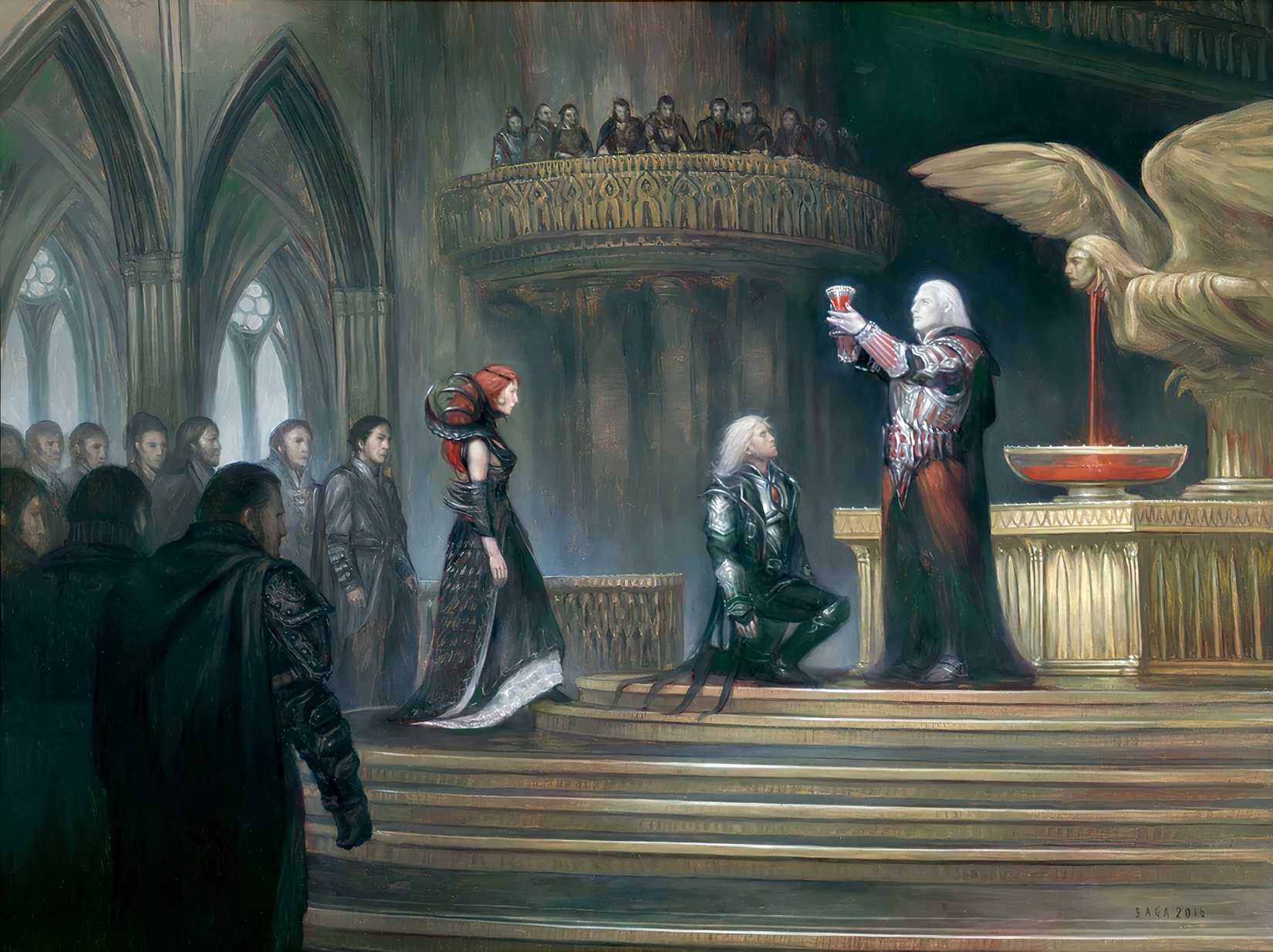
The details emerged in 2014’s “The Lunarch’s Journal,” an in-universe story published on the Magic website. A church official discovers that Edgar, then a human, worked with the demon Shilgengar to devise a formula for vampirism. The key ingredient was the blood of a living angel. Edgar and his sons trapped the angel Marycz in his laboratory and drained her blood.
The discovery shakes the Lunarch’s faith. The monsters his church exists to fight were created by humans.
The 2016 Dungeons & Dragons supplement Plane Shift: Innistrad explains Edgar’s motive. An aging alchemist and healer, he wanted to prolong his life and the lives of his family. When alchemy failed, he turned to black magic, and Shilgengar offered him a way to live forever. Edgar’s Commander 2017 profile identifies Sorin as one of the people he wanted to save.
In a flashback in a 2021 Innistrad: Crimson Vow story, Sorin remembers standing before his family with a cup of blood in his hands. Marycz was still alive, hanging upside down in chains, and looked at him as if begging for help. His family held him down, and Edgar forced him to drink.
The trauma of becoming a vampire ignited Sorin’s planeswalker spark. He later created Avacyn, the angel Innistrad’s humans worshipped as their protector.
How Edgar Markov took over Commander
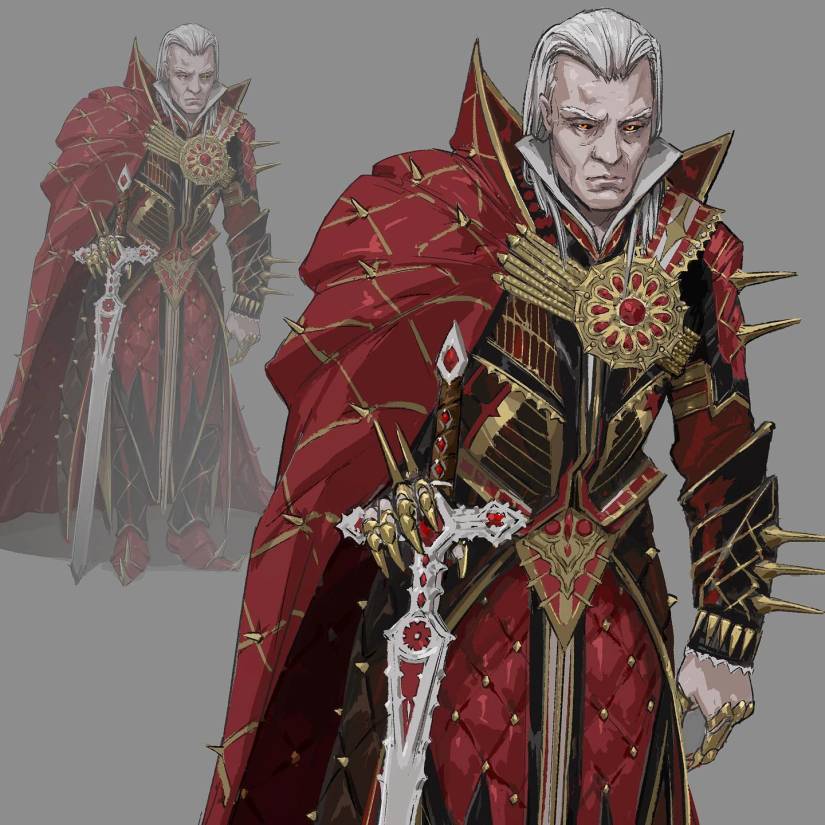
In a 2020 episode of Good Morning Magic, principal designer Gavin Verhey explained how Edgar became the commander of the Vampiric Bloodlust deck in Commander 2017. While working on the deck, Verhey asked Kelly Digges of Magic’s creative team who should lead it. Digges suggested Edgar, a natural choice for a deck built around putting vampires on the battlefield.
During playtesting, the design team called the ability that became Eminence “Coach,” because a coach helps from the sidelines. An early version of Edgar was a six-mana 5/5 with an activated ability that cost three more mana to put a +1/+1 counter on each vampire that had attacked that turn. Another version was a five-mana 4/3.
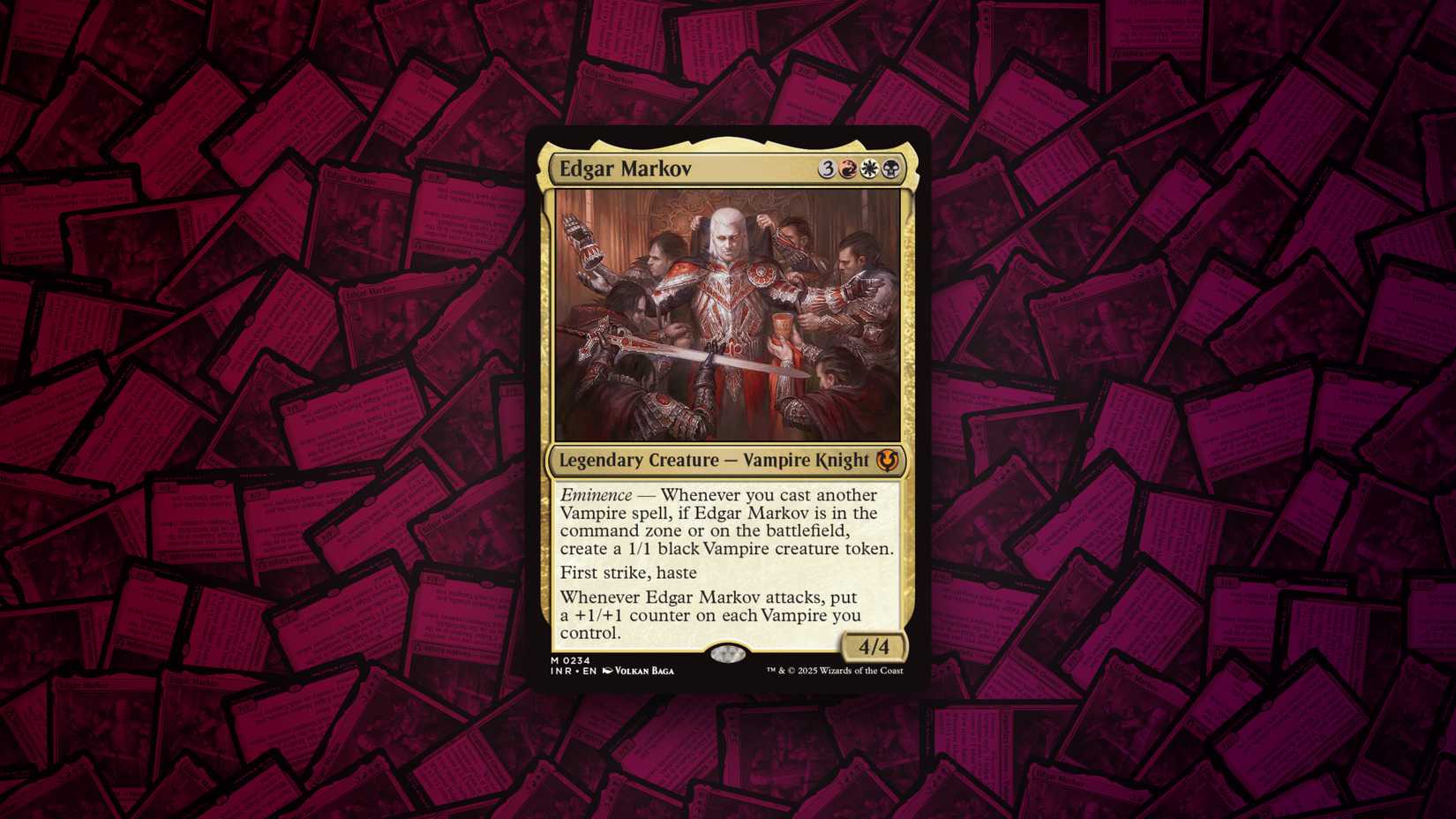
The final card costs six mana and is a 4/4 with first strike and haste. Whenever Edgar attacks, he puts a +1/+1 counter on every vampire you control.
His Eminence ability makes him more powerful still. Whenever you cast another vampire spell, Edgar creates a 1/1 black vampire token as long as he’s in the command zone or on the battlefield. The casting trigger creates the token even if the spell is countered. After a board wipe, another vampire spell can start rebuilding the army.
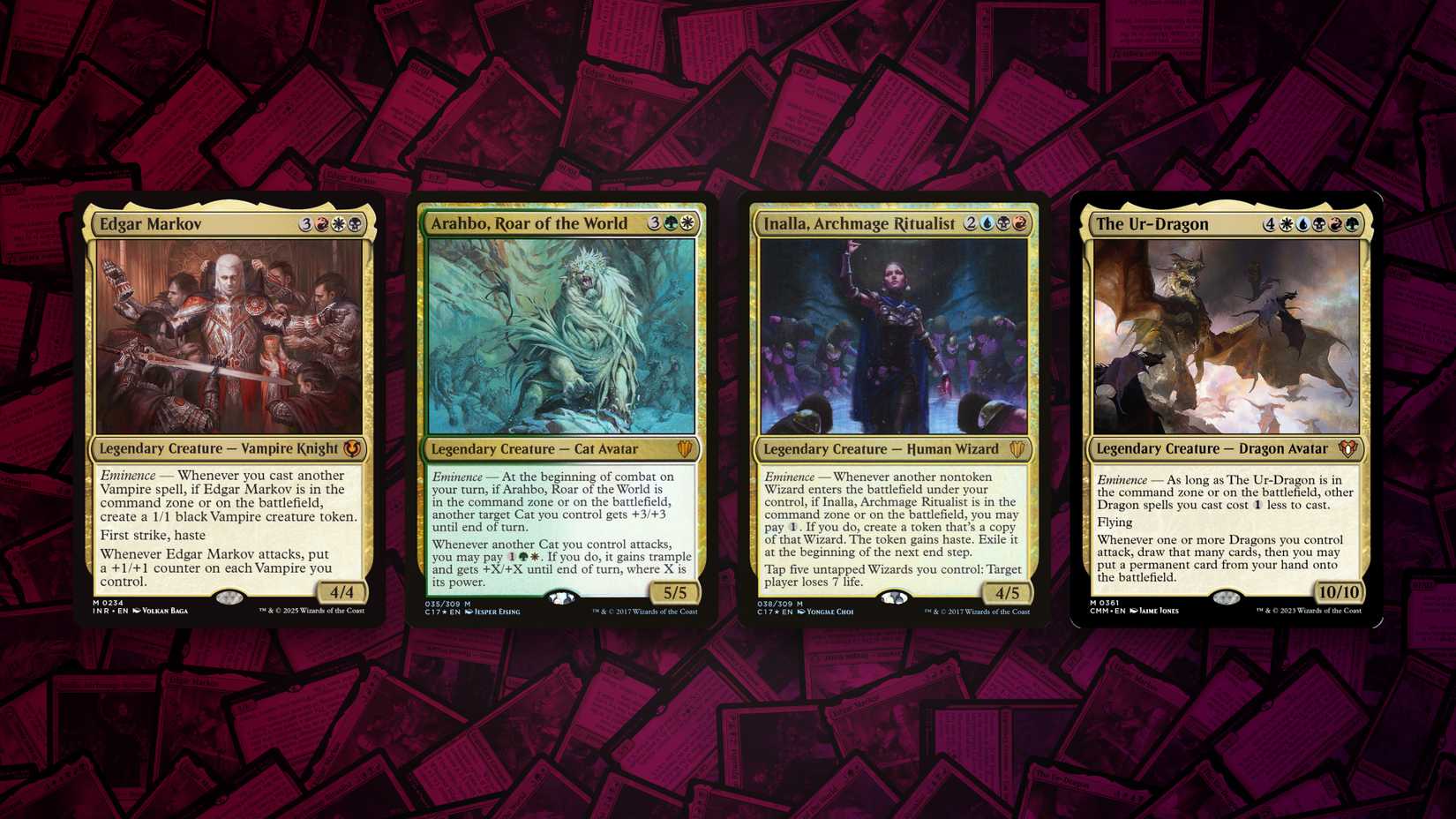
Edgar’s ability also works while he’s in the command zone, where spells cannot target him. A player can feasibly leave him there for the whole game. That makes Eminence difficult to interact with and can make Edgar frustrating to play against.
Wizards had tested a similar idea with Oloro, Ageless Ascetic in Commander 2013. Oloro can stay in the command zone and give its controller two life every turn, buying time and enabling powerful lifegain combinations. Edgar’s extra vampires can attack, grow with counters or be sacrificed for other benefits. Cheaper vampires make it easier to build an army.
Years after Edgar’s creation, Verhey called Eminence a “design mistake” in an interview with Magic content creator Ben Bateman.
As Verhey explained in a TikTok video from June of this year, not every Eminence ability has the same impact. Commander 2017 included three other preconstructed decks, each led by an Eminence commander focused on a creature type: the cat-focused Arahbo, Roar of the World, the wizard-focused Inalla, Archmage Ritualist, and The Ur-Dragon, the progenitor of all dragons in the multiverse. Verhey pointed out that many people complain about Edgar, but nobody complains about Arahbo.
Edgar generates additional vampires in a way the others do not. Arahbo gives a temporary boost to a cat already on the battlefield. Inalla lets you pay one mana to copy a nontoken wizard you play, but the copy is exiled at the end of the turn. The Ur-Dragon, the third-most popular commander on EDHREC, has all five colors and reduces the cost of other dragon spells from the command zone. In the same video, Verhey suggests that designing a better dragon commander than The Ur-Dragon is effectively impossible.
Despite Edgar’s strength, Wizards of the Coast has continued to use Eminence. The Reality Fracture Commander preconstructed deck includes The Ur-Sphinx, which reduces the cost of sphinx spells by one mana, a reference to The Ur-Dragon.
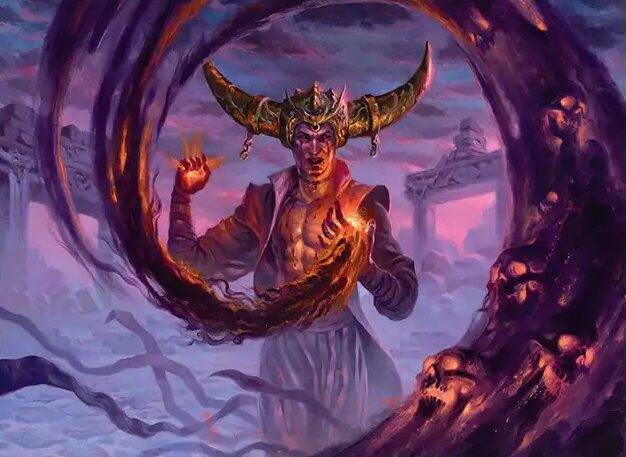
At a Mystery Booster Commander Edition draft event at MagicCon: Atlanta, one of my opponents played Sahir, Visitor in Darkness. Sahir’s Eminence ability deals one damage to its controller each turn. Once he’s in play, a second ability gives him a +1/+1 counter whenever his controller deals one damage to themselves. If that happens a second time in a turn, the controller draws a card. Eminence is a drawback here, but lifegain and further instances of self-inflicted damage can turn Sahir into a consistent source of card draw.
Early leaks for the upcoming Nauctis: The Sunken Realm have also teased The Ignoble Serpent, a card from a Commander preconstructed deck with an Eminence-like ability that mills four cards on your first turn. Instead of remaining active throughout the game, the ability works once at the start. On the battlefield, The Ignoble Serpent is an eight-mana 7/9 that returns a sea monster from your graveyard to the battlefield on your end step.
Designing around Eminence means balancing its abilities with drawbacks while still supporting a deck’s strategy. Edgar Markov shows how powerful an ability without that balance can be. He also offers a simple plan: send a massive vampire army at your opponents while its lord coaches from the sidelines.
Source: Polygon
Related articles
 Hitman World of Assassination Adds Mission Featuring a 007 First Light Character
 Cinematic Trailer Released for Scoundrels, a Tabletop Game About Fantasy Robbers
 You Are Empty Remaster Returns to Steam After Copyright Controversy
 Urban Geography Researcher Explains Why GTA VI’s World Feels So Realistic
 Vampire-Werewolf Feud Remains a Hollywood Fantasy Staple
 Enthusiasts Push GTA VI to 40 FPS on PlayStation 5
 Illumination’s New Not Alone Teaser Features Macy’s Thanksgiving Parade
 Former Xbox Head Phil Spencer’s Retirement Shows His Love of Games