
Trending on Billboard
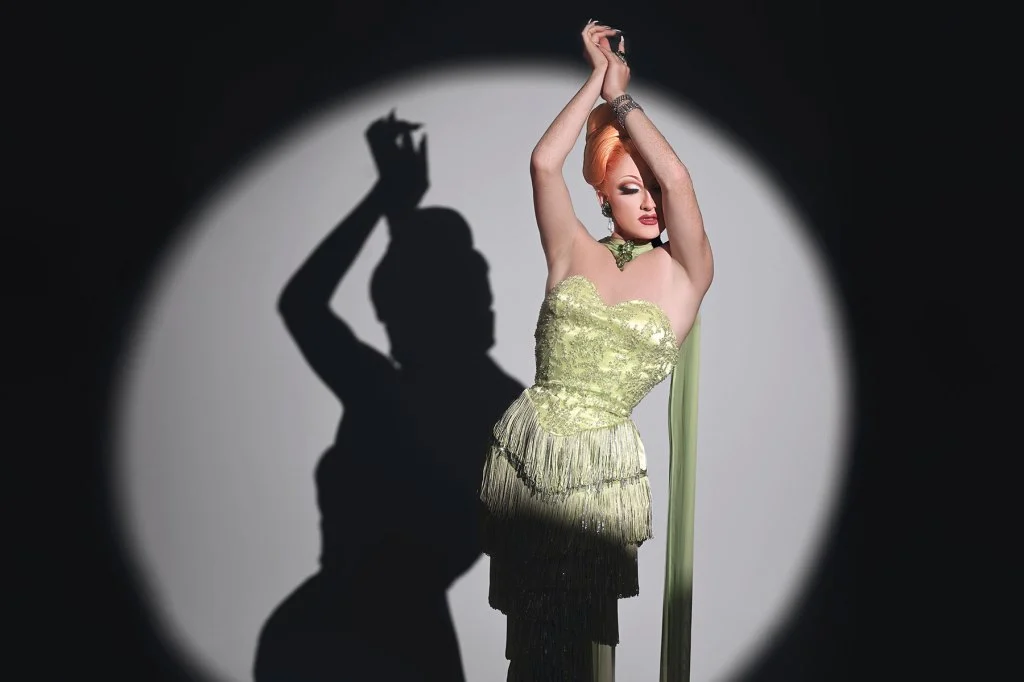
Plenty of drag performers sing; many more record music regardless of studio polish. So it’s understandable if a reality-TV alum’s debut album doesn’t automatically set off major excitement. Plasma, however, chose a bold route: she’s releasing a live record that foregrounds the immediacy of her voice and the electricity of real-time performance.
Rather than relying on overdubs and endless takes, the 26-year-old Texas native — who broke out on season 16 of RuPaul’s Drag Race — captured her debut at Joe’s Pub. The resulting Is Miss Thing On? (Live from Joe’s Pub) showcases beloved Broadway standards alongside unexpected selections and one original composition, proving the risk suits her.
At the July 28 performance where the album was recorded, two numbers surprised listeners: “A Schloon for the Gumpert,” an obscure Barbra Streisand performance piece, and “80 or Above,” an original song penned by Plasma that sounds like it could belong to an unearthed musical classic. The album is slated for release on November 7, 2025 via Joy Machine Records.
On choosing a live record
Why a live album instead of a studio set?
Plasma says her dad steered her toward the idea — he grew up on live records and argued that her strengths shine brightest in front of an audience. Rather than chasing perfection in a silent booth, she wanted to preserve the warmth, spontaneity, and small imperfections that make a performance feel alive.
Influences and selection
Which albums or artists inspired this approach?
She cites vintage live recordings as a guiding light and points to Barbra Streisand’s recently released archival performances as a touchstone. There’s a personal resonance, too: early cabaret venues and small New York rooms shaped her artistically, and Streisand’s history in those spaces amplified the connection.
How did you choose the songs?
Plasma intentionally blends familiar theater favorites with deep cuts and niche references — partly as a way to reward listeners who share her theatre and cabaret obsessions. Her setlist evolved from a previous, autobiographical show and was tightened to emphasize songs that felt personally true.
She name-checks standards like “Cry Me a River” (the mid-century Hamilton composition, not the contemporary pop hit) and “More,” a number she initially lip-synced to in early drag days and later made her own onstage. Her aim is to lure audiences in with recognizable material, then broaden their musical horizons with lesser-known gems.
Vocal challenges and highlights
Which songs are easiest or hardest to perform?
Fast, patter-heavy pieces with multiple key changes — “More” being a notable example — demand precise diction and breath control, making them tricky live. Conversely, torch numbers like “Cry Me a River” come more naturally; as she explains, some songs fall into a kind of vocal autopilot that allows deeper emotional excavation.
Broadway, representation and collaborators
Did you see the recent Gypsy revival with Audra McDonald? What did it mean to you?
Plasma praises the contemporary staging and the renewed perspective it brings to a show historically centered on white performers. Under George C. Wolfe’s direction, the production reframes visibility and highlights the contributions of Black artists to jazz and theatrical traditions. She calls Audra’s work one of the most significant post-Covid theater moments.
How did the duet with J. Harrison Ghee happen?
Their collaboration began informally — they connected socially in New York and discovered a sincere creative rapport. Plasma invited J. Harrison Ghee to join the show because she wanted a genuine representative of Black queer artistry in the room; the result was a generous, theatrical moment that amplified the album’s spirit of community.
Songwriting and future plans
Tell me about “80 or Above” and your writing process.
Plasma describes songwriting as emerging from a mix of poetry-reading, journaling and playful experimentation. “80 or Above” began as a melodic idea with a retro, jazz-inflected flavor; she wanted it to feel authentic rather than manufactured. Hearing other artists cover the song would mean a great deal to her.
What are your hopes after the album drops?
She hopes the record opens doors beyond reality television — attracting theater producers, jazz collaborators and casting directors who see her as a fully realized performer. Plasma also wants to blur the line between her stage persona and her given name, Taylor, pursuing theatrical and musical opportunities that reflect the full scope of her identity in 2025.
A friend gave her a small talisman before she left for Drag Race with one simple piece of advice: feel the fear and proceed anyway. That ethos — to create while vulnerable and unvarnished — underpins the live album’s ambition.
Final thoughts
She encourages fans to expand their expectations of what a Drag Race alumnus can do, and invites theater and music listeners alike to explore the broader, often-overlooked repertoire queer artists can bring to the stage.

 Benny Blanco Discusses How He Won Over Selena Gomez
 Macklemore Dropped From Ed Sheeran Tour Over Free Palestine Comments
 Pilgrimage Music & Cultural Festival Announces Return in April
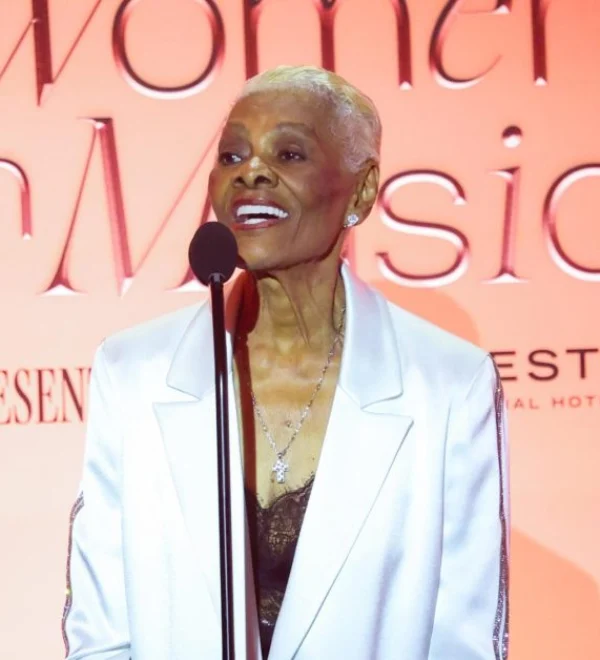 Dionne Warwick, Mya, and Saweetie collaborate on new single One Heart Can Change the World
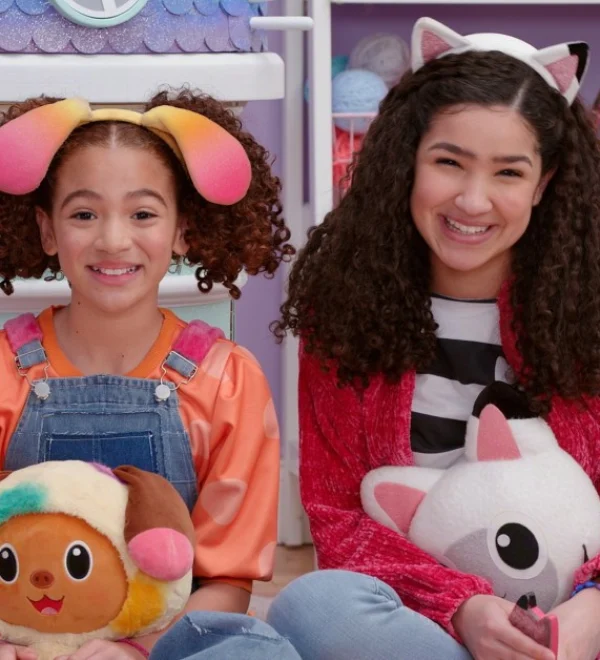 ‘Gabby’s Dollhouse’ Welcomes Doozie to the ‘Meow-Meow Bow-Wow Family’ With First Duet Featuring Big Sis Gabby
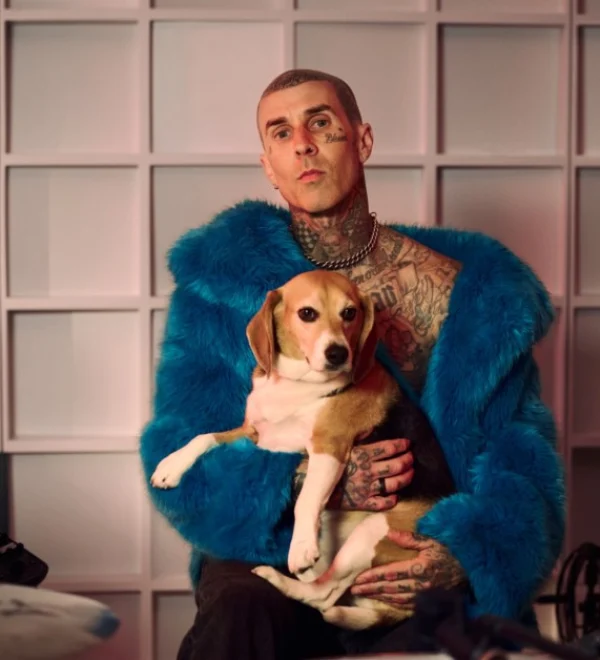 Travis Barker promotes shelter pet adoption and meat-free lifestyle in Humane World For Animals PSA
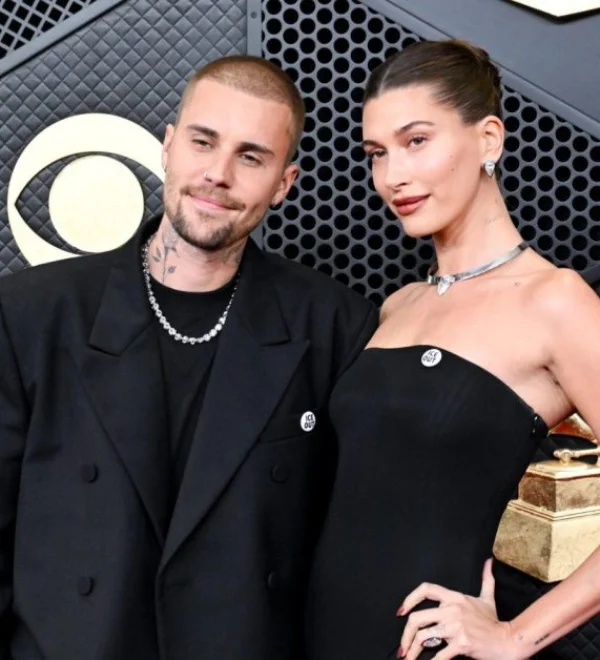 Justin Bieber and Hailey Bieber celebrate eighth wedding anniversary
 Ariana Grande Gets Stuck in Elevator After Final Eternal Sunshine Show