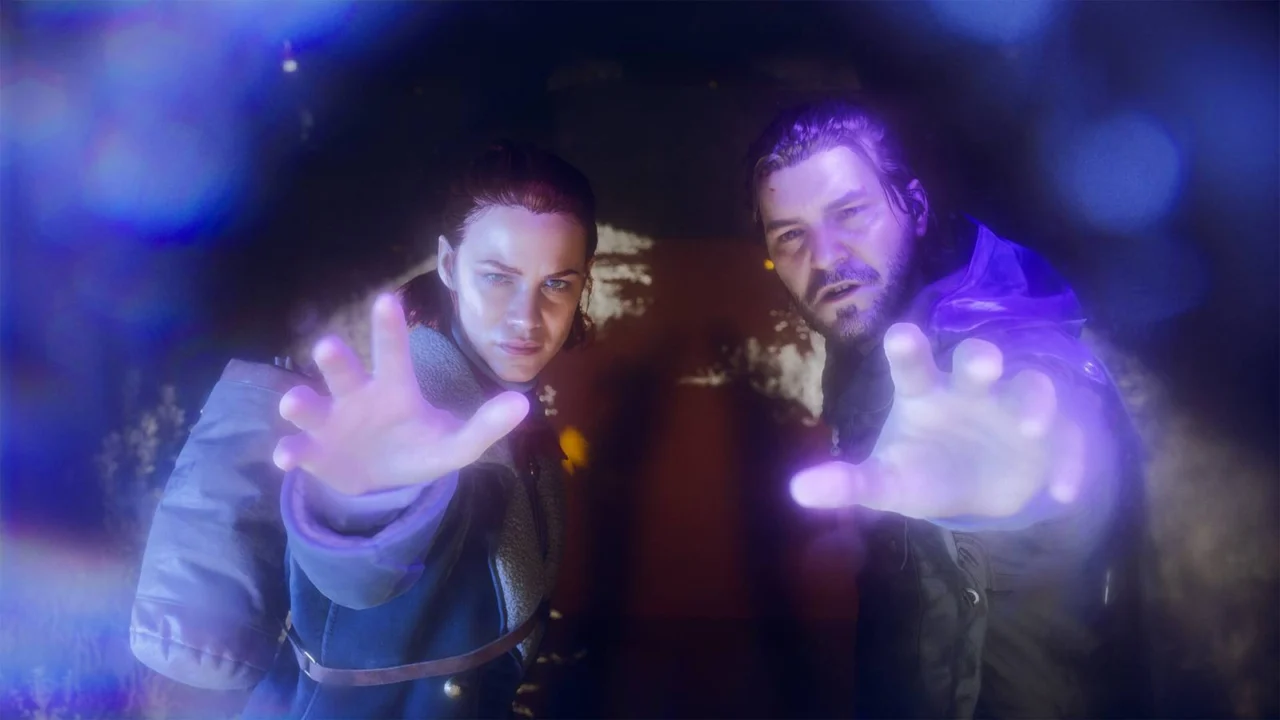
Control Resonant Has a Secret Weapon in the GOTY Race
Ever since the year began, I have anticipated that Control Resonant would emerge as a major contender for Game of the Year 2026 at The Game Awards. My reasoning is straightforward: the awards jury holds a deep affection for developer Remedy Entertainment.
Back in 2019, the original Control secured an impressive eight nominations—including Game of the Year—despite receiving only moderate critical enthusiasm (resting on an 82 Metacritic score). It ultimately clinched the award for Best Art Direction. Fast forward to 2023, and Alan Wake 2 converted three of its eight nominations into victories, triumphing in the prestigious Game Direction and Narrative categories.
Remedy’s titles sit squarely in the sweet spot for The Game Awards: polished, visually arresting, blockbuster action-adventures driven by genuine artistic vision. The fact that Remedy crafts these experiences outside the traditional major publisher ecosystem only amplifies their prestige.
The primary obstacle standing in the way of this narrative for Control Resonant is the game itself. While it is far from poor—earning generally warm reviews and boasting a higher Metacritic average than its cult-favorite predecessor—it has also sparked sharp criticism from vocal detractors. Even among favorable reviews, some unease lingers regarding the franchise’s pivot toward the more conventional territory of open-world action-RPGs.
Resonant suffers from distinct mechanical flaws, feeling more derivative and restrained than the original Control, let alone the boundary-pushing Alan Wake 2. On paper, other genre contenders like 007 First Light present a stronger challenge. Resonant certainly has no chance of stealing thunder from Grand Theft Auto 6, and I wouldn’t even guarantee it a nomination spot, though it remains among our current front-runners.
Nevertheless, the studio enjoys a powerful asset: widespread goodwill toward Remedy. The Finnish developer commands a reputation for exceptional talent and effortless cool. It certainly helps that their charismatic, press-friendly creative director, Sam Lake, readily engages with journalists. Beyond that, Remedy occupies a paradoxical position as a beloved underdog, often outshining much smaller indie studios in the public sympathy department.
While it is true that Remedy is not a commercial titan and took a financial hit from the misfire of last year’s multiplayer spinoff, FBC: Firebreak, their most recent financial statements reflect modest profitability rather than impending doom. Realistically, the upcoming remakes of the first two Max Payne titles, developed in partnership with Rockstar Games, will likely wield far greater influence over Remedy’s financial trajectory than Control Resonant.
Get Polygon’s Wishlister newsletter
A weekly cheat sheet to what you’ll eventually love to play. No buying, no commitment — just saving for later.
Free. Unsubscribe anytime.
Yet the popular myth persists of Remedy as a lone crusader risking financial ruin to pioneer daring, artistic blockbusters on its own terms. The sheer scale of Remedy’s projects somehow frames their hurdles as more heroic than those of true indies—like Yacht Club Games, who genuinely risked everything to create Mina the Hollower—even if Remedy’s games are ultimately safer commercial ventures.
It is effortless to root for Remedy and desire their continued triumph. That sentiment likely resonates just as strongly with the Game Awards jury as it does with forum users, potentially tipping the scales in Control Resonant‘s favor. If it secures a GOTY nomination, that goodwill will be a major factor.
Remedy’s latest is a failed attempt to step outside the studio’s comfort zone
Source: Polygon
Related articles
 Japan’s PC gaming market more than doubles as more consumers shift from consoles
 Rumor: Microsoft Preparing Major Overhaul for Entire Halo Franchise
 Reports: Bethesda Changes Rules for Obsidian, Studio Leadership Remains Unchanged for Now
 Cyberpunk: Edgerunners Season 2 and The Apothecary Diaries Top Most Anticipated Fall Anime List
 Marvel Teases Robotic Appearance of Jocasta in New Vision Quest Teaser
 Xbox Head Highlights Minecraft Player Growth 17 Years After Release
 Take-Two Interactive Stock Drops Nearly $6 Billion in a Month Despite GTA 6 Updates
 What time does The Witcher 3 Remastered release in your time zone?