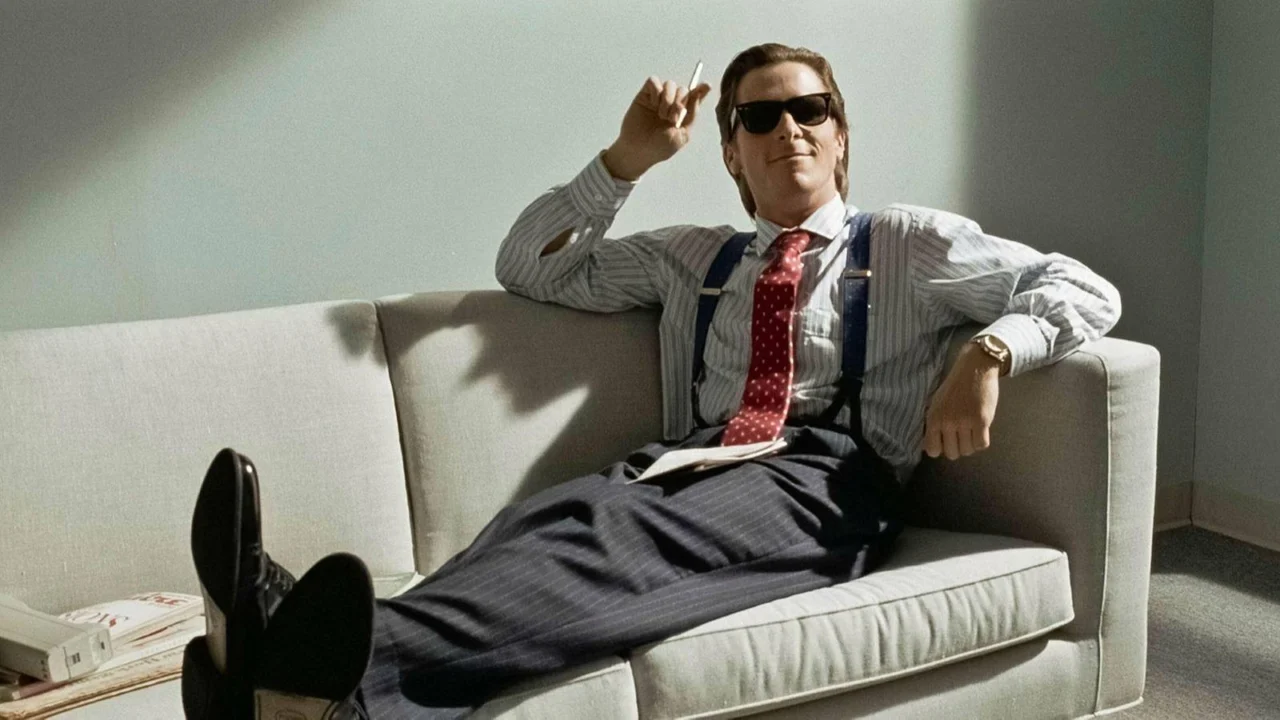
Christian Bale’s American Psycho Remains Franchise High Point 26 Years Later
Christian Bale was 13 when he appeared in Steven Spielberg’s 1987 film Empire of the Sun. He went on to star in Newsies and Swing Kids, play Laurie in the 1994 film Little Women, and take on the role of Bruce Wayne in Christopher Nolan’s Dark Knight trilogy.
Bale was 26 when he played Patrick Bateman, a Wall Street finance worker and possible serial killer, in American Psycho. Directed by Mary Harron and written by Harron and Guinevere Turner, who also appears in the film, it adapted Bret Easton Ellis’ 1991 novel.
Bateman has money, a loving girlfriend and a job where his concerns seem to include dinner reservations and whether his business card is better than Paul Allen’s. Jared Leto plays Allen. Bateman also appears to kill people, though the film leaves the extent of his crimes unclear.
That ambiguity is part of what makes Harron and Turner’s adaptation so effective. With Luca Guadagnino’s take on American Psycho no longer moving forward, their film remains a high point among adaptations of Ellis’ story.
The other American Psycho adaptation that works: the musical
American Psycho 2, a sequel starring Mila Kunis, took the story away from Ellis’ novel by confirming Bateman’s crimes. That decision undermined the ambiguity of the book and Harron’s film.
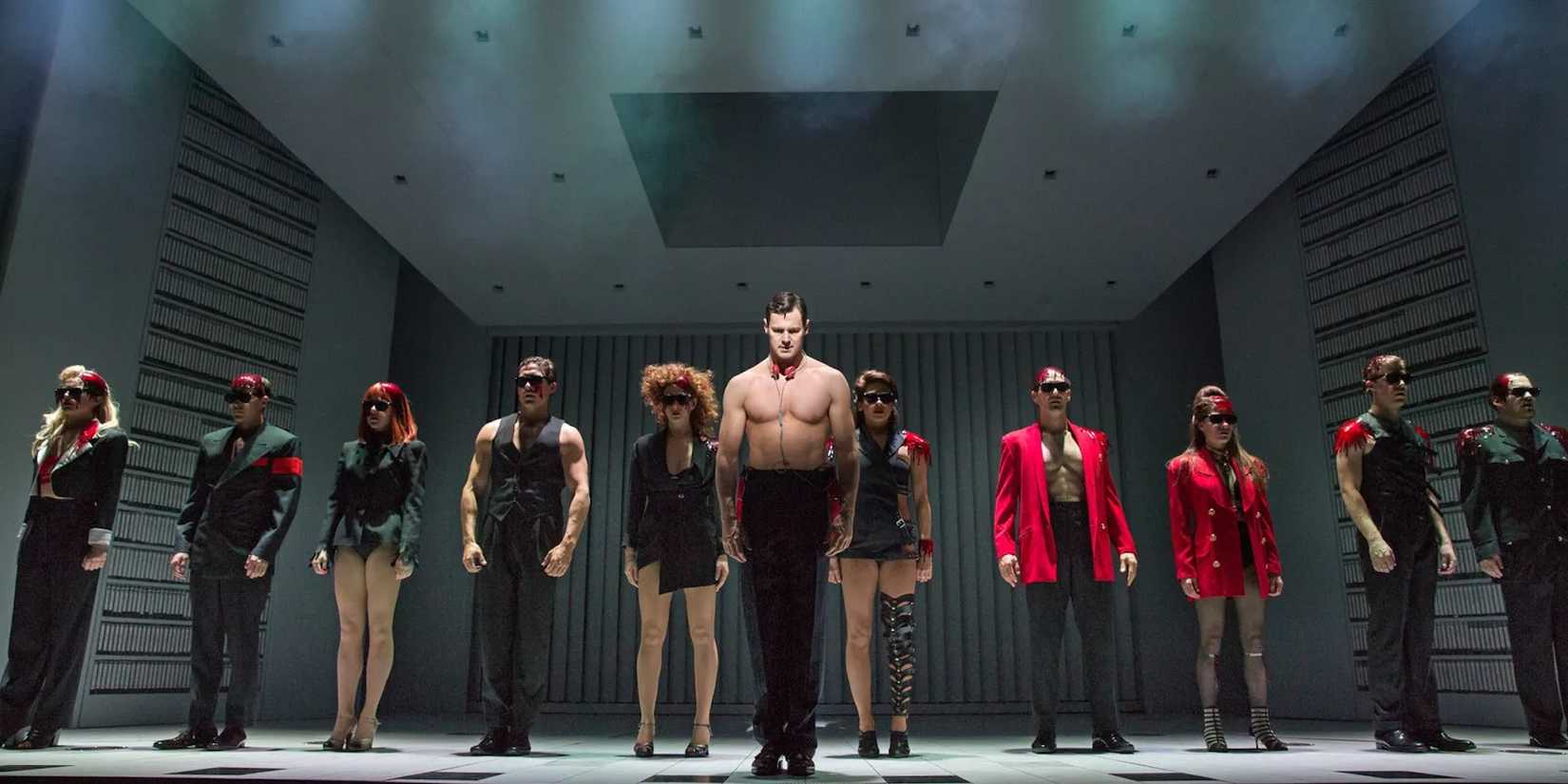
The adaptation that came closest to Harron and Turner’s version was American Psycho The Musical, by Duncan Sheik and Roberto Aguirre-Sacasa. Its Broadway run was short, with Benjamin Walker, a star of The Lord of the Rings: The Rings of Power, playing Bateman. The musical incorporated Bateman’s love of music into its composition and added layers to his character.
Some fans of the 2000 film questioned the musical’s omission of its recognizable imagery. One of the film’s most horrifying sequences shows Bateman running through an apartment building naked, covered in blood and carrying a chainsaw. The scene was an addition by Harron and Turner, rather than an image drawn from Ellis’ novel.
Harron and Turner’s film also brings nuance to a story told in the novel through Bateman’s first-person perspective. The book is steeped in Ellis’ anger over New York City at the time, and its passages can be difficult to read when Bateman is lost in his madness. The film gives viewers more distance from him.
Whether Bateman committed the murders or imagined them, Ellis’ story has endured. Harron and Turner’s adaptation remains its strongest screen version.
Source: Polygon
Related articles
 “Thousands” of Developers Want to Bring GTA VI to PC After Build Leak, Working on Xbox Series Emulators and Recompilation
 Red Dead Redemption 2 Star Becomes GTA VI Casting Director, Finds Woman for Game’s Cover
 PlayStation Players Banned Over Risqué GTA VI Gameplay Footage, Accounts Restricted for 30 Days
 Serious Sam Fusion Officially Released After Nearly 10 Years in Beta
 Hacker voices38 Cracks Denuvo in Phantom Blade Zero Three Weeks After Release
 Enthusiast Analyzes GTA VI Leak and Ports Map to PC
 Cyberpunk 2077 Sequel’s Creative Director Jokes That Cyberpunk 2 Is Canceled After Being Impressed by GTA VI
 Journalist Finds GTA VI Nearly Impossible to Beat Without Killing Due to Controls and Sharp Turns