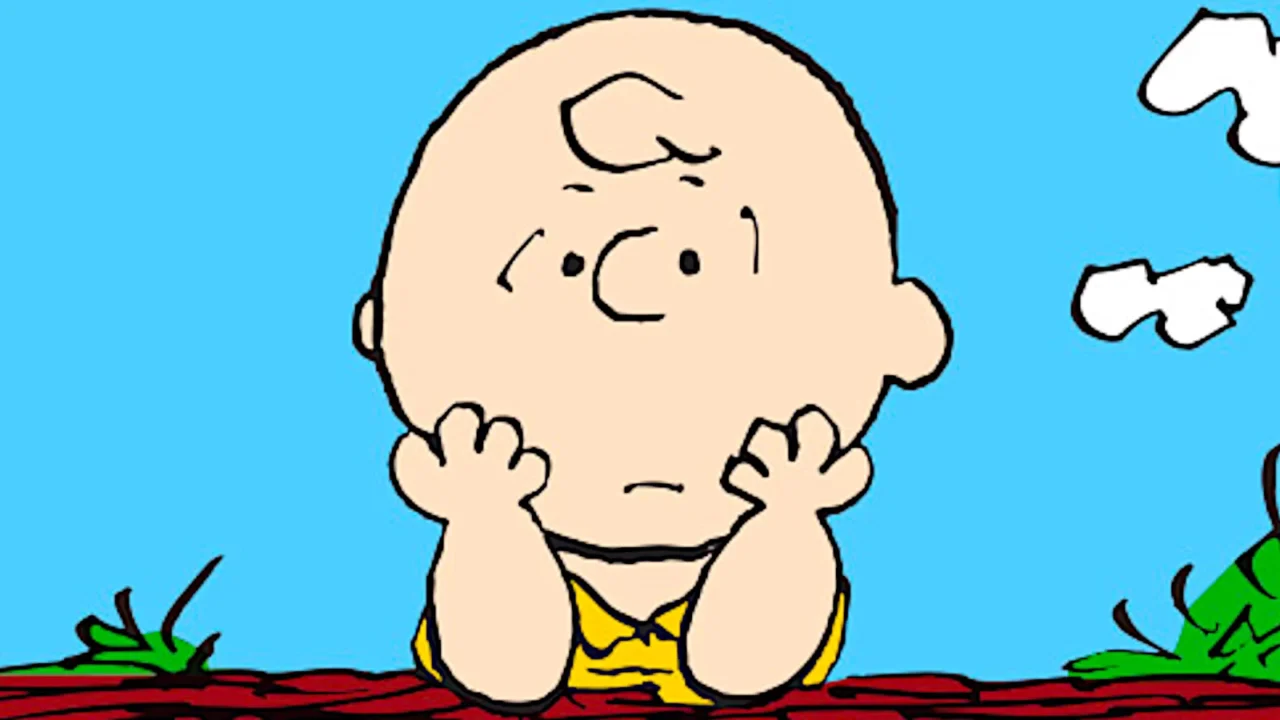
Charlie Brown’s Wisest Quote Still Resonates After 29 Years
Twenty-six years after the strip ended, Peanuts often feels like it comes pre-digested. Even during its original run, much of the work got carefully filtered through layers of T-shirts, greeting cards, and inspirational wall posters. That reduced much of the material to the benign emptiness of a Precious Moments figurine.
Reading the strip directly reveals that Peanuts, particularly in the first half of its run, has more of an edge than it gets credit for. Charles Schulz built his reputation on how he depicted childhood. At a point when many other cartoonists focused on the nostalgic joys of being a kid, Schulz wrote about its confusions and quiet terrors.
This remains the most subversive element of the strip, despite decades of enshrinement in the American pop-cultural canon. Peanuts frequently meditates on how rough it really is to be a little kid, which made it a strong counterpoint to the more saccharine vibes of 1950s newspaper gag comics.
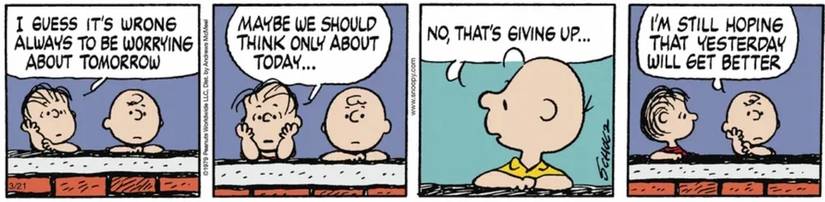
Charlie Brown embodies Schulz’s approach better than anyone else, standing as one of the most consistently unlucky characters in comics history. He must contend with a terrible neighborhood baseball team and his own anxiety, while the world of Peanuts constantly dumps further problems on him. Charlie Brown does get a few wins, but a dive into the Peanuts archive reveals largely a portrait of his depression.
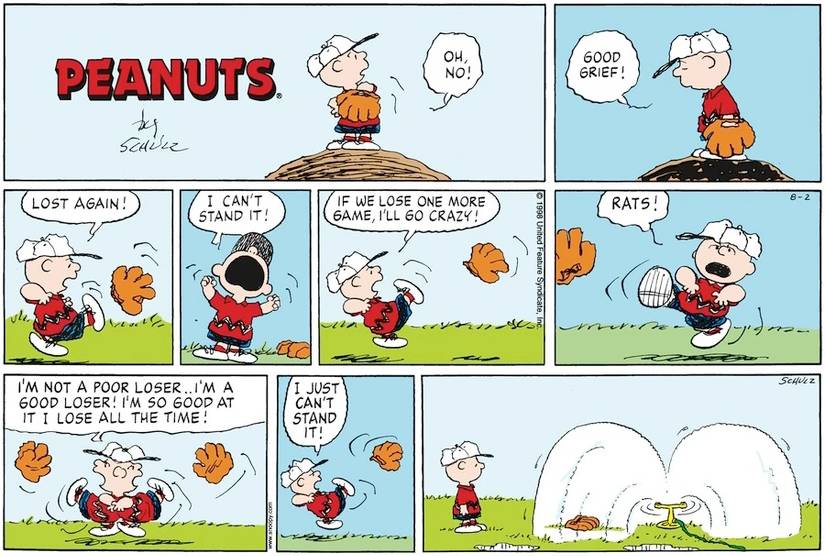
This dynamic can be weirdly soothing. A reader experiencing a bad day, week, or year could open Peanuts and find a good chance that Charlie Brown was having a worse time. Many of his best quotations in Peanuts function either as a self-effacing punchline or a joke about his own misfortune. His fictional history plays out like an illustrated, G-rated version of the Book of Job.
Zen and the Art of Blockheadedness
One particular strip that sticks out is Peanuts for May 12, 1997. Charlie’s little sister Sally just wants help with her homework, but she receives an unusually sassy response from her big brother, who is sunk into a bean bag chair watching TV.
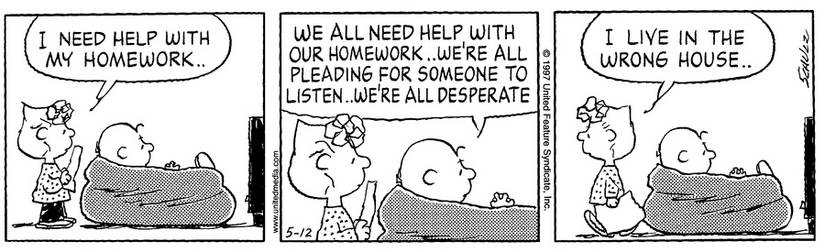
“We all need help with our homework,” he says, not looking away from the TV. “We’re all pleading for someone to listen. We’re all desperate.”
We’re all pleading for someone to listen. We’re all desperate.
Within the strip, this is an unusually verbose way for Charlie Brown to tell Sally to go away. Viewed through the broader context of his general vibe, the moment captures him indulging in self-pity with no room for Sally at the moment.
Out of context, the strip serves as a useful reminder to practice empathy. The line occasionally surfaces in the famous-quotes content mill for clear reasons. People often get buried in their own heads, making it necessary to remember that everyone is dealing with their own problems.
The strip likely will not show up on T-shirts or inspirational posters, which adds to its appeal. It delivers a useful moral that happens to be uncharacteristically snarky for Charlie Brown, and unlike many moments in the series, it does not rely on a joke about his own failures. That makes this particular appearance a win for Charlie Brown.
Source: Polygon
Related articles
 Players Criticize $400 GTA VI Collector’s Edition Omitting Game Disc
 BeamNG.drive Release Date Announced for PS5
 Saw: Genesis Delayed to 2027 for Early Access Release
 Kotobukiya Opens Preorders for Kojima Productions Ludens Model Kit
 Jason Schreier: Sony Canceled Physint Over Budget Concerns Amid Kojima Productions Deal
 Five Essential Backrooms Videos to Watch on YouTube After the Movie
 AI Claude Opus 5.5 Surpasses GPT-6 Astra in Unreal Engine Game Development
 Xbox Has Closed More Studios Than PlayStation, Records Show