Before Marvel Made Superheroes Mainstream, This TV Show Changed Everything
It is difficult to recall an era when superhero narratives weren’t ubiquitous. Over the last two decades, cape-and-tights media has thoroughly saturated the entertainment landscape. These days, comic book lore is common currency—standard fodder for casual conversation or office small talk. Yet, this total cultural dominance is a relatively recent phenomenon. For many years, beyond the heavy hitters like Superman, Batman, and Spider-Man, the superhero genre was largely relegated to the fringes.
Long before the Marvel Cinematic Universe cemented the genre’s mainstream appeal, one network managed to distill everything that makes comic books compelling into a single, masterful season of television. That series is Heroes, which returned to Netflix on July 1 after an extended hiatus.
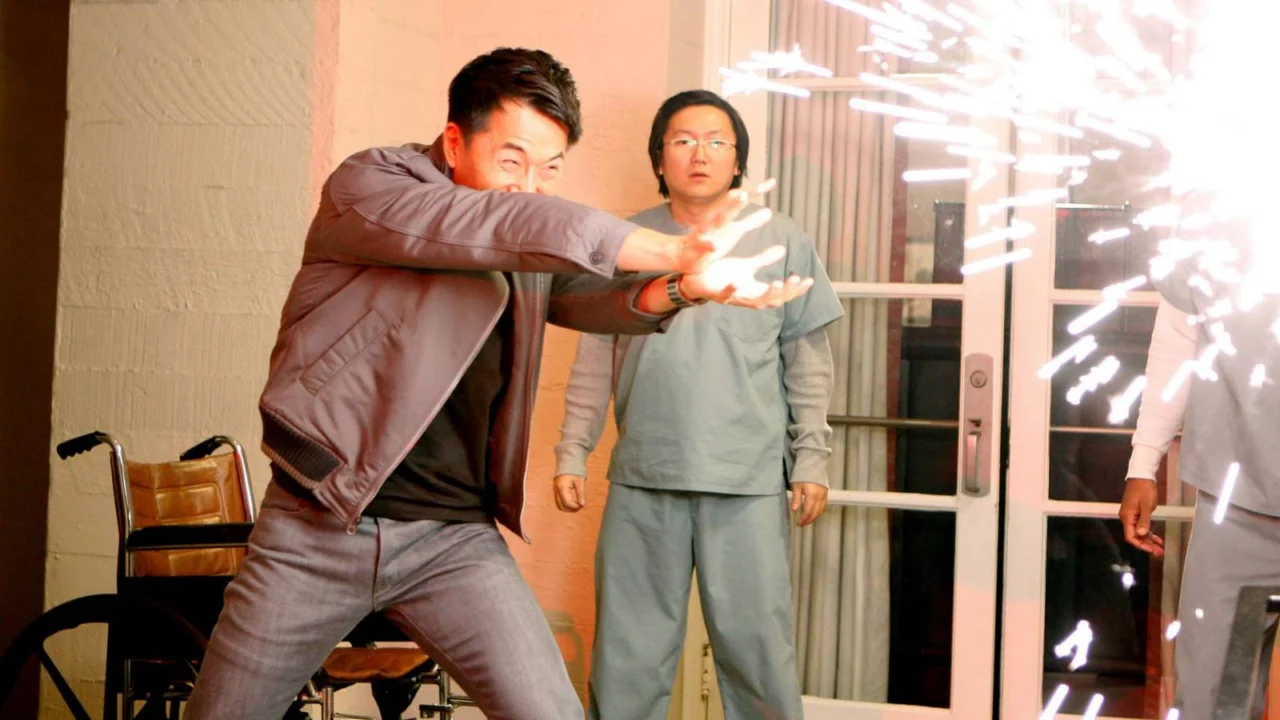
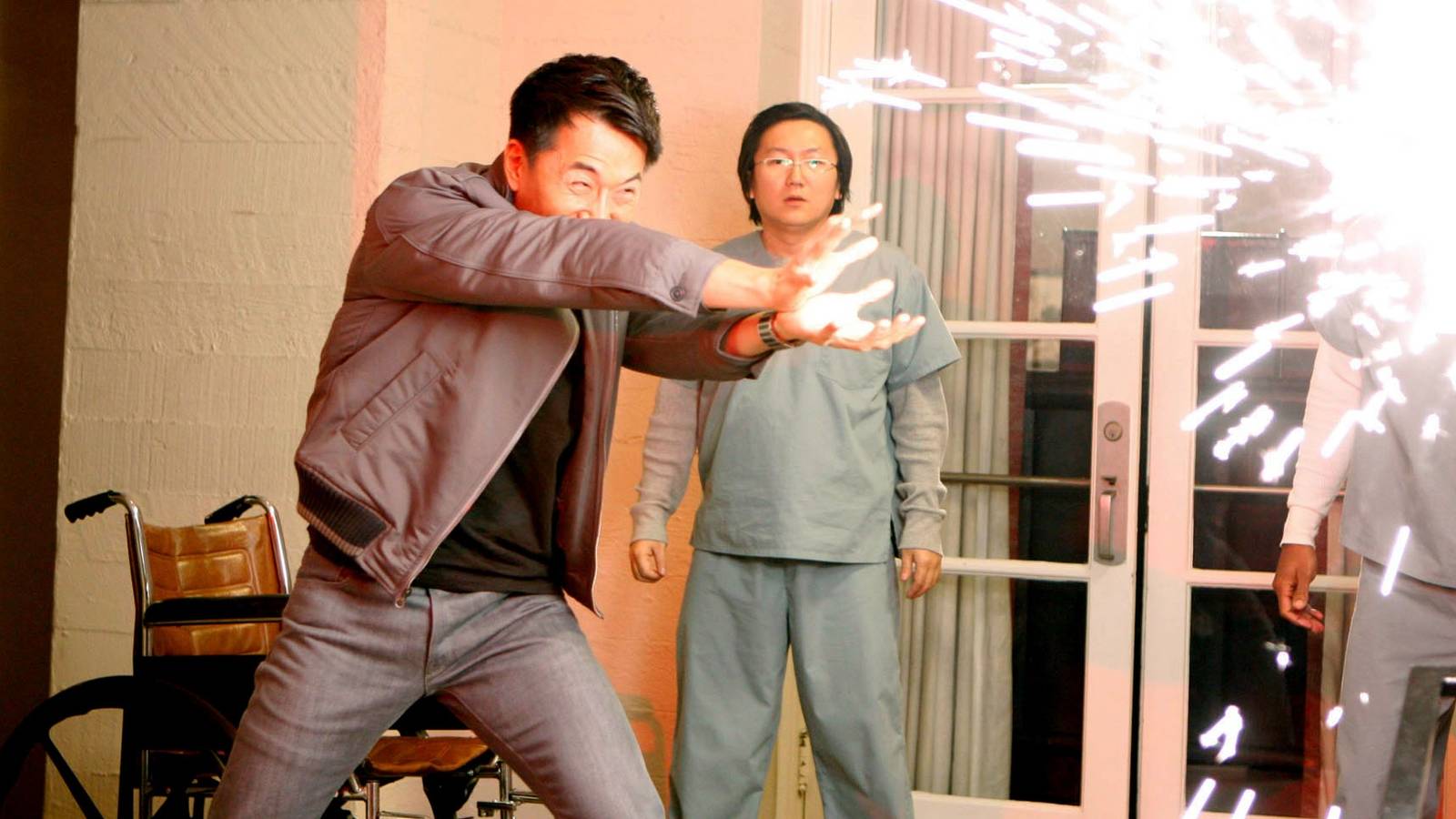
Developed by Tim Kring and debuting in 2006—just two years prior to the dawn of the MCU with Iron Man—Heroes thrived on the freedom of a 23-episode inaugural run. This expansive format allowed for a deep dive into an eclectic ensemble of characters, each grappling with extraordinary abilities: a seemingly indestructible cheerleader, a teleporter from Tokyo, a nurse with latent gifts, and a mother struggling with blackouts and superhuman strength, to name but a few.
Image: NBCThe first season expertly balanced over a dozen protagonists, each anchored in distinct cultural and professional backgrounds. Beyond the spectacle of their emerging powers, these individuals faced gritty, grounded challenges—from romantic entanglements to professional dilemmas—that gave each of them the depth of a lead character.
“I was fascinated by the question of what truly defines a hero,” Kring explained in an interview with Inverse. “The political climate during the Bush era felt quite aggressive globally, so it felt essential to present an international cast, showcasing people from across the globe uniting toward a common goal.”
The narrative spark—a solar eclipse granting these people their gifts—serves as the catalyst for their convergence in New York City to prevent a looming catastrophe. The genuine intrigue lies in watching these seemingly unrelated lives weave together, culminating in profoundly satisfying narrative payoffs. As the season progresses, the writers continuously raise the stakes with mounting mystery, featuring a predatory serial killer and the enigmatic shadow organization known as The Company.
Image: NBCHeroes stands as a definitive artifact of the serialized television era, where writers were afforded the luxury of slow-burn character exploration. Much like its contemporary, Lost, the show thrived on creating a sense of episodic wonder. Its format mirrored a comic book run, utilizing distinct “volumes” that suited the medium perfectly.
The series concluded in 2010 after four seasons, though its cancellation left fans with an abrupt, unresolved cliffhanger. Regrettably, the show suffered from a well-documented trajectory of diminishing returns, with each subsequent season struggle to recapture the initial magic. Kring eventually revisited the IP with the 2015 “event series” Heroes Reborn; however, it failed to serve as a proper continuation or reboot, existing instead as a somewhat disconnected expansion of the original premise.
Image: NBCUltimately, the first season is a masterclass in superhero storytelling that stands on its own. Whether you choose to dive into the full run or simply savor those initial 23 episodes, revisiting Heroes is a fantastic way to fill a glaring gap in your television history.
Source: Polygon
Related articles
 Police in GTA VI Will Remember Criminals and Make Escapes Difficult
 Sony Releases New Artwork for Marvel’s Wolverine Featuring PlayStation Characters
 Microsoft Denies Rumors of Major Xbox Game Pass Changes
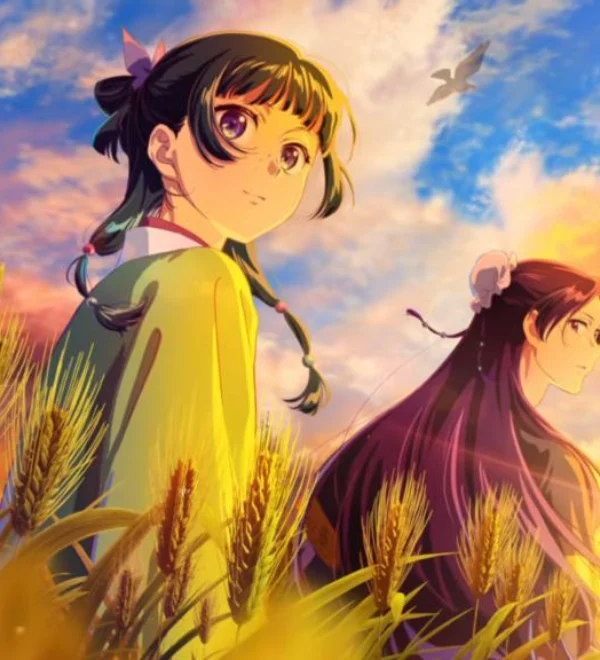 11 Posters Released for Season 3 of The Apothecary Diaries
 HBO Chief Discusses Release Schedule for New Harry Potter Seasons
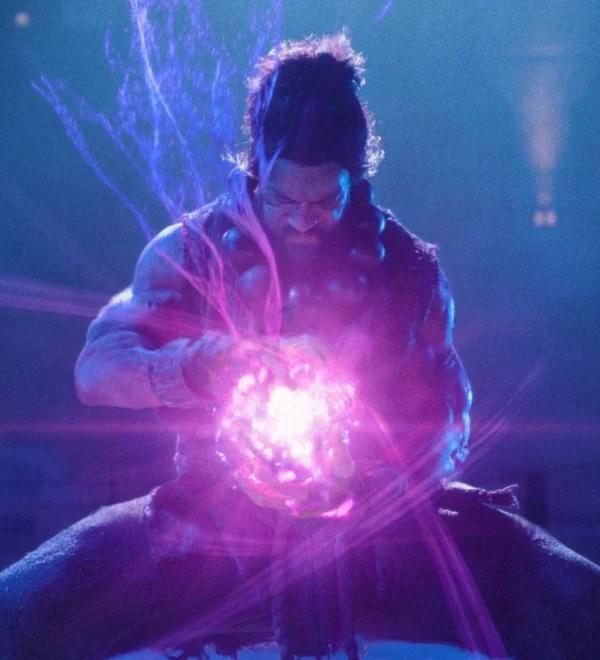 Street Fighter Movie to Release in Theaters in One Month
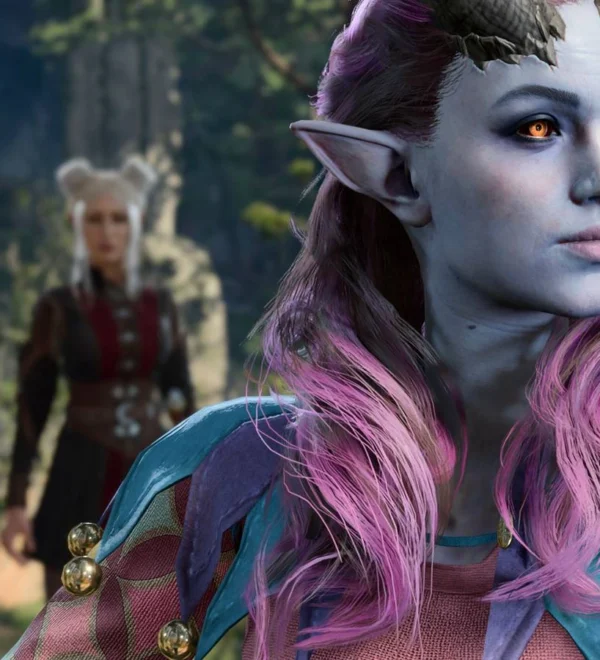 10 BG3 Characters Fans Still Want as Companions
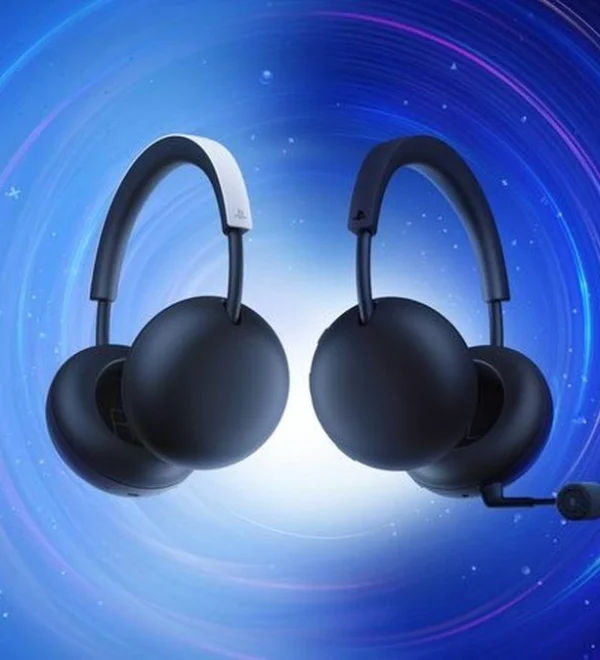 Sony Unveils PlayStation Pulse and Pulse Edge Headphones, One Launching in 2026