
Aimer on the Essence of the New Demon Slayer: Kimetsu no Yaiba Movie Collaboration “A World Where the Sun Never Rises” — Interview
Aimer on Returning to Demon Slayer: “A World Where the Sun Never Rises”
Interview by Sayako Oki — Originally published in Billboard Japan

Aimer has returned to the world of Demon Slayer: Kimetsu no Yaiba, lending her voice to one of the main themes for the first film in the new trilogy, Demon Slayer: Kimetsu no Yaiba – The Movie: Infinity Castle — Part 1: Akaza Returns. Titled “Taiyo ga Noboranai Sekai” (English: “A World Where the Sun Never Rises”), the track is one of two theme songs for the film; the other is performed by LiSA.
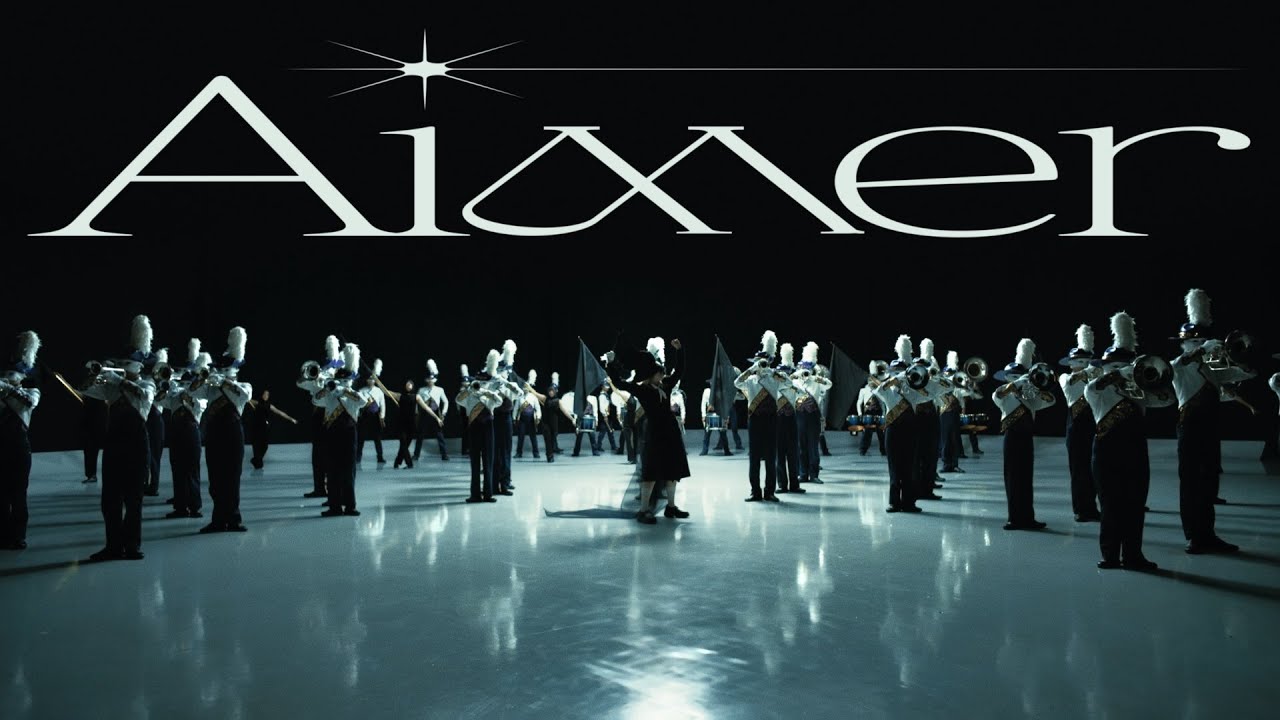
The song was crafted by a creative team closely tied to the movie: Hikaru Kondo (who served as the film’s general director) contributed to the lyrics and composition, while Go Shiina and Sachiko Miyano — composers associated with the film’s score — handled the arrangement. Aimer says the piece channels the film’s emotional core with a blend of intensity and fragility, and in a recent conversation she discusses how the collaboration came together and how she approached performing a track written expressly for the movie.
How did it feel to return to the Kimetsu franchise after earlier contributions like “Zankyosanka” and “Asa ga kuru”?
Initially I was surprised more than elated — LiSA had been closely associated with the series’ themes, and it felt unexpected to be asked back. Still, I’d already worked with many of the same creators and production staff, so once the project moved forward I felt honored to be part of it again. Being asked to sing a theme for the film was both humbling and exciting.
Who was involved in creating “A World Where the Sun Never Rises” and what was unique about the song?
The track was written by the film team: Hikaru Kondo wrote the lyrics and contributed to the composition, while Go Shiina and Sachiko Miyano shaped the arrangement. When I first heard the demo, I thought it was unconventional — parts felt operatic, others edged toward techno or rock. It pushed vocal boundaries and didn’t sit neatly in a single genre, which made it fascinating but also challenging to perform.
How did the composition make use of your vocal range?
Mr. Shiina really used the full scope of my voice. The verses dip into my lowest register while the chorus demands my highest falsetto, so I had to navigate great contrasts within a single performance. He told me he wanted to showcase both my low tones and my falsetto, and because the melody is written to highlight those extremes, it allowed me to add nuanced dynamics and textures I don’t always get to use.
Did recording with the movie team change how you approached the vocals?
Absolutely. Kondo and Shiina were present during the session and I recorded while watching film footage. That connection to the visuals helped me inhabit the song’s perspective and shape vocal choices to match the movie’s emotional beats. Small details — like leaving a breathy end on a long phrase — were preserved in the mix, which made the performance feel intimate and intentional.
Is there a difference for you between singing your own lyrics and interpreting someone else’s?
When I sing words I didn’t write, there’s more room to interpret and respond to the sound itself; I can emphasize tone and resonance without the baggage of personal intent. Singing for the film felt immersive — I became part of the story’s emotional landscape, which was a new and invigorating experience for me.
Would you describe yourself as someone who lives with a fighting spirit, as the song suggests?
I aim for composure, but I’m emotionally intense and experience big swings. That sensitivity helps me connect to the characters’ struggles in Kimetsu no Yaiba. The series is driven by strong motives — loss, love, the urge to protect — and I recognize a similar impulse in my life: wanting to be stronger for the people and things I care about.
How do you see the song fitting into the Infinity Castle story?
The Infinity Castle arc heightens the stakes and makes characters’ convictions very clear. This theme captures that opening momentum: the urgency, the conflicting intensities of emotion, and the reasons characters fight. When you hear the full version, the title’s meaning becomes clearer and you can hear how the arrangement drives those dramatic shifts.
How have your live performances evolved since “Zankyosanka”?
“Zankyosanka” changed my concerts. Early on I performed many ballads and audiences were often seated and introspective. But after touring overseas — the Aimer 3 Nuits Tour in 2024 stopped in Shanghai, Taipei and Hong Kong — I saw crowds sing and move together, especially on “Zankyosanka.” That energy inspired me to design my domestic tour (Aimer Hall Tour 2024–25 “lune blanche”) to be more collaborative with the audience, encouraging participation and shared momentum.
Do you feel your music reaches listeners beyond language barriers?
Yes. I hope the emotion and tone of my voice convey the song’s meaning even if listeners don’t understand every word. Touring internationally and seeing audiences respond so viscerally reminded me that music crosses cultural boundaries. Those moments fuel my desire to perform live around the world.
What does this collaboration mean for your future work?
The experience of recording such a carefully crafted theme — with directors and composers present — was formative. It taught me new ways to blend voice and sound, and I’d like to bring that attention to detail into future projects. In 2026 I’ll mark my 15th debut anniversary, and I aim to channel these lessons into the music I create for that milestone and beyond.
Any final thoughts?
I’m grateful to fans for supporting me; that connection is the reason I keep pushing to grow. Whether 15 or 20 years from now, I want to keep making music that helps me become stronger and that gives something back to the people who have supported me along the way.
Related articles
 Peter Hook Dedicates ‘Love Will Tear Us Apart’ to Keanu Reeves at Show
 Ardalan, Life On Planets, and Industry Executives to Participate in Dance World Soccer Tournament Copa Del Rave
 Ella Langley, Fuerza Regida, and Post Malone Feature on the Southwest Sweat Playlist
 Air Supply to Receive Star on Hollywood Walk of Fame
 Vybz Kartel Addresses Shaggy Amid King of Dancehall Debate
 BOYNEXTDOOR Releases In the Present Tense
 Trinidadian Calypso Legend Mighty Sparrow Dies at 91
 Benny Blanco and Selena Gomez Celebrate Wedding Anniversary With Year-Old Cake Despite Martin Short’s Taste Test