
5 Theory-Spinning Takeaways From That Mind-Blowing Avatar: Seven Havens Trailer
The debut trailer for Avatar: Seven Havens has finally arrived, confirming a 13-episode premiere this October. This marks a thrilling departure for a franchise that has spent much of the past decade looking backward through live-action adaptations and animated spin-offs centered on Aang. Now, creators Michael Dante DiMartino and Bryan Konietzko are boldly propelling the overarching saga into uncharted territory, and the potential is staggering.
There is a wealth of lore to unpack from this brief teaser, which premiered at San Diego Comic-Con 2026. Here are five essential takeaways to consider—though be sure to drop your own interpretations in the comments below.
5
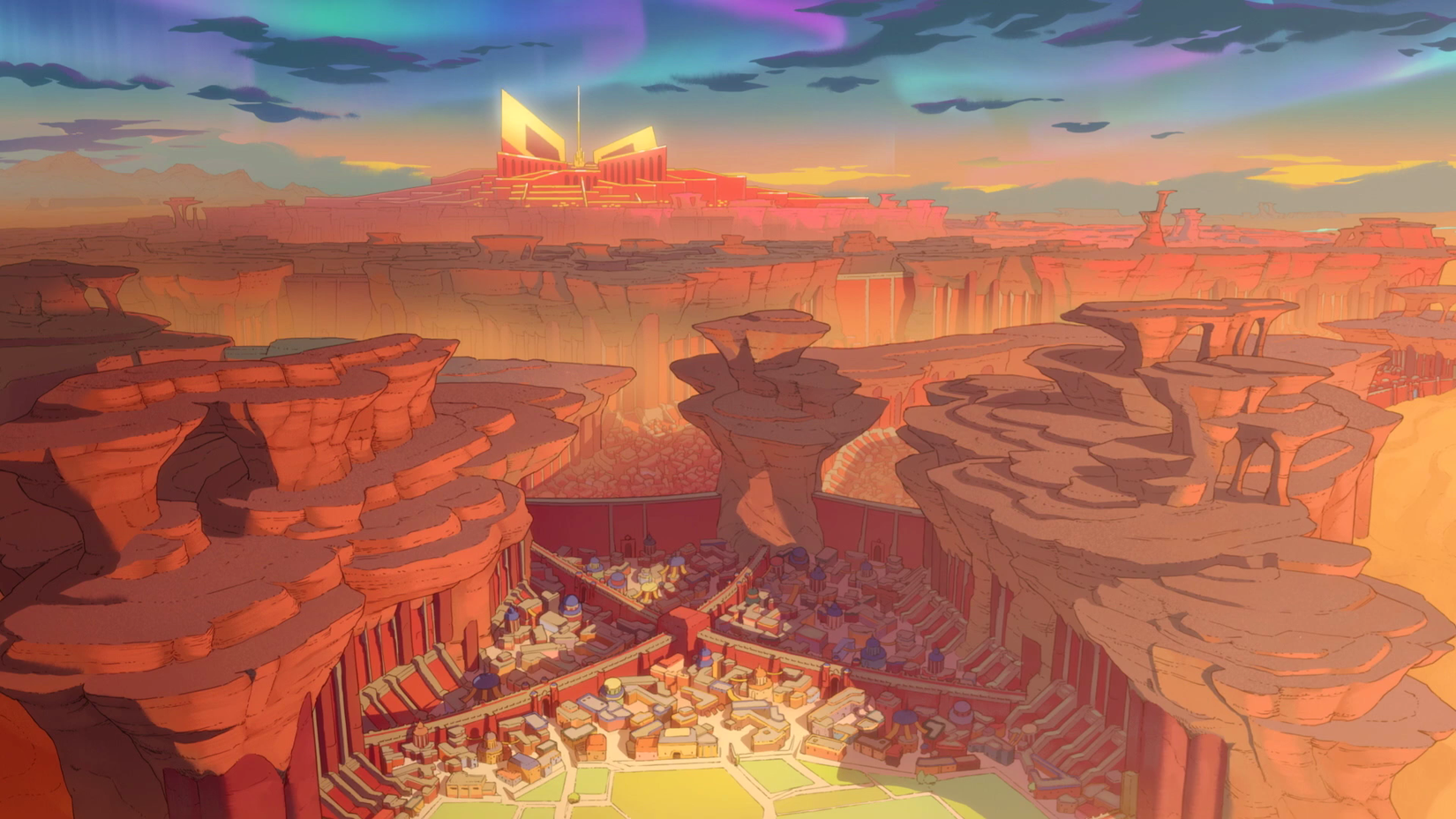
Welcome to Alora
The protagonist of Seven Havens originates from this striking, Moebius-inspired Earth metropolis. According to the ominous voiceover narration, the city “needs to be prepared” for impending catastrophe because “our ancestors weren’t, and the Avatar let us down.” It is immediately evident that modern civilization—along with any comforting ties to The Last Airbender and The Legend of Korra—has suffered a devastating collapse. Republic City appears completely wiped out. While Alora echoes the architectural grandeur of Omashu or Ba Sing Se, it’s safe to assume those legendary strongholds didn’t survive the wrath of the spirit storms.
Unlike the rollout for Korra—which explicitly established its setting as 70 years post-Airbender during a Roaring Twenties aesthetic—Paramount and Avatar Studios are keeping the exact timeline of Seven Havens under wraps. Despite sleek cyberpunk motorcycles and retro-futuristic urban vistas, the trailer deliberately obscures chronological markers through fragmented flashbacks. It could take place 70 years after Korra, or perhaps two centuries later. Nevertheless, Paramount maintains that Pavi is the successor to Korra. For enthusiasts, this ambiguity is part of the appeal: as is tradition in the Avatar universe, the shadows of the past continue to loom large over present crises.
4
Korra the Monster
Speaking of worldly turmoil, the populace in the era of Seven Havens appears to universally blame Korra for catastrophic failure. While this aligns with her historically impulsive nature and penchant for stumbling into grand disasters, it also mirrors the persistent friction among vocal fans regarding her legacy. What if the central premise relies on a false historical narrative where characters mistakenly view Korra as a failure, when in reality she sacrificed everything to preserve the world? What appears outwardly as an apocalyptic event could easily be the fallout of a monumental self-sacrifice.
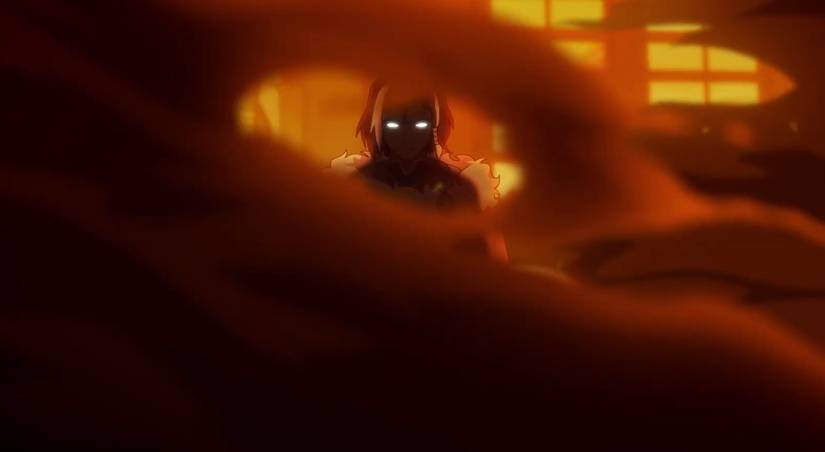
Korra acted out of egalitarian idealism when she left the spirit portal open at the conclusion of The Legend of Korra Season 3. Much like every major decision made by past Avatars, that choice did not yield eternal harmony (those unfamiliar with the Turf Wars graphic novels should certainly revisit them). It is entirely plausible that humanity or the spirits abused the privilege of coexistence, shattering the delicate balance and igniting total ruin—mirroring our own real-world struggles with environmental stewardship.
The single striking frame of Korra snarling within the Avatar State reads less like a literal chronological flashback and more like a cautionary myth passed down by modern inhabitants. Perhaps I am simply rooting for a narrative redemption for Korra rather than seeing a beloved icon subjected to cynical subversion, but subtext suggests there is more than meets the eye. Even so, her profound historical ties to the Spirit World will undoubtedly drive the plot of Seven Havens.
3
Can you have twins without an evil one?
The true narrative curveball of Seven Havens extends far beyond its post-apocalyptic aesthetic. As promotional materials and Paramount’s cryptic database sheets indicate, Pavi has a twin sister named Nisha, who may wield her own supernatural capabilities. Pavi is designated as the Avatar, but does that status extend to Nisha? Ambiguous leaks have sparked intense speculation across the community. The trailer confirms she possesses earthbending skills, but narratively speaking, finding two fictional twins where both maintain purely benevolent intentions is a rarity. Someone has to fill the antagonistic archetype.
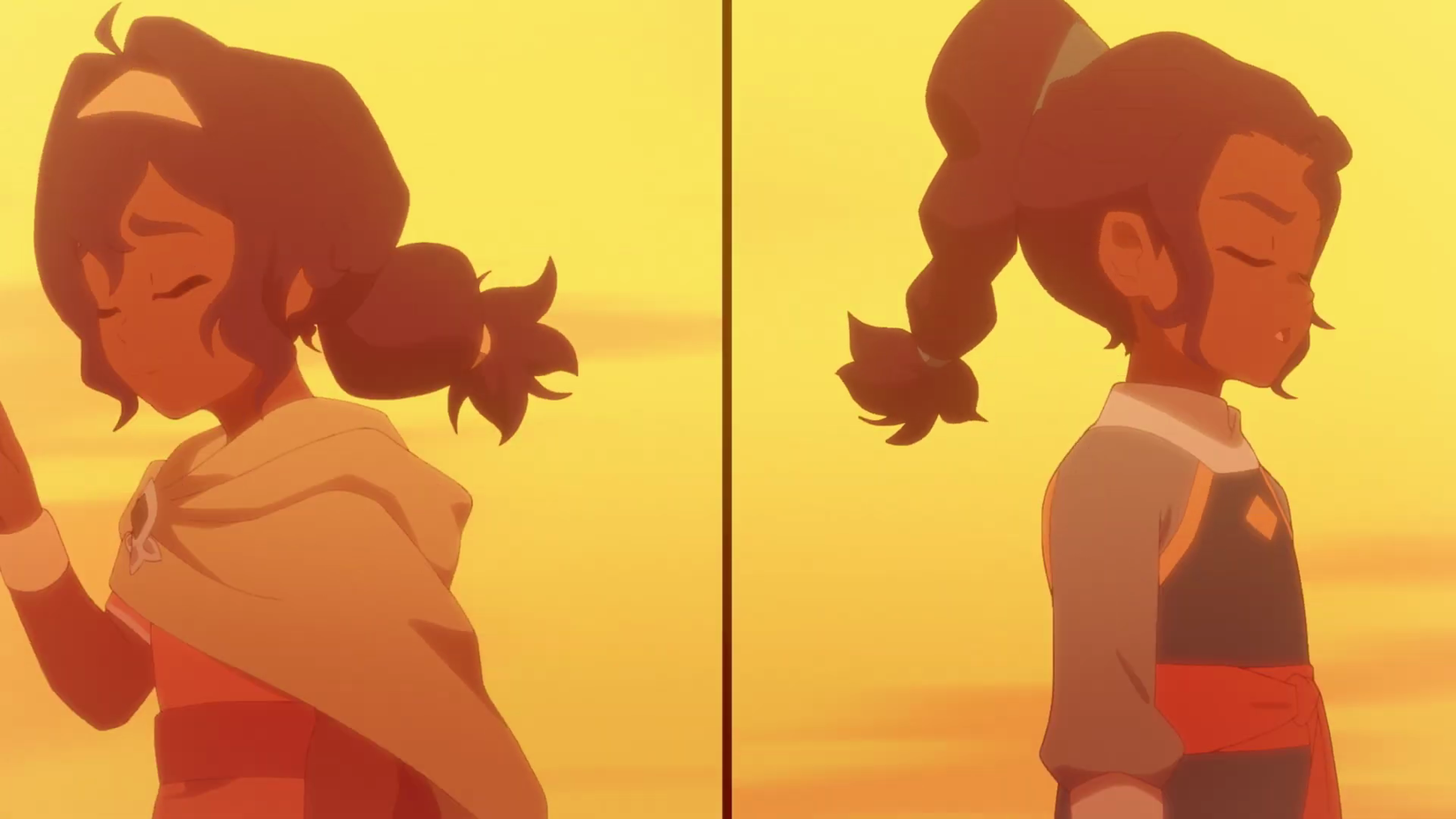
A compelling theory suggests that when Korra interacted with the Spirit World and fought Vaatu’s titanic form in Season 2, the fundamental mechanics of the Avatar State and reincarnation were permanently altered. Knowing Korra lost connection to past lives and essentially became the foundation of a new lineage akin to Avatar Wan, standard rules no longer apply. Nisha could potentially be an alternate Avatar—or perhaps a corrupted one.
Vaatu’s destruction never felt entirely permanent. The Season 2 finale established him not as a mere villain to be eradicated, but as an eternal cosmic force representing darkness within an endless cycle alongside Raava. Though Korra defeated Unalaq-Vaatu and restored Raava, cosmic lore dictates that darkness cannot be erased, only contained. Could that primordial darkness reside within one half of this twin pairing?
2
Son of Tenzin, hear him roar
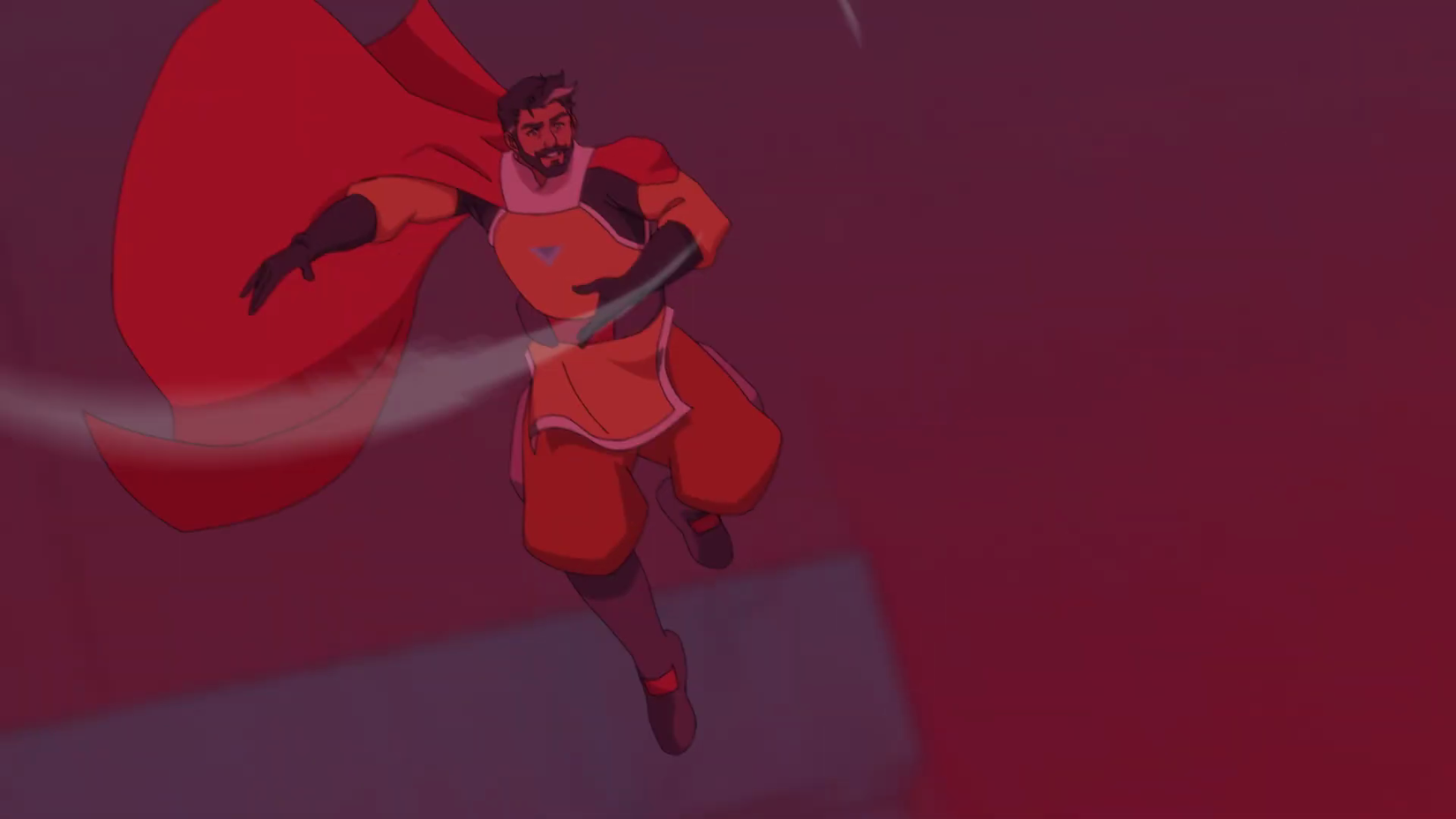
There isn’t an immense amount to dissect here, aside from the fervent hope that this character is indeed an adult Rohan—Tenzin’s infant son from The Legend of Korra. This inclusion immediately raises intriguing timeline questions regarding who from the legacy eras might still be active during Pavi’s generation. Regardless, the resurgence of airbending across the globe following Korra’s era clearly succeeded, giving rise to a new generation of acolytes navigating ruined landscapes. This stands as the primary legacy connection worth exploring in Seven Havens—though if the masked swordsman in blue and white turns out to be tied to a modern Blue Spirit sect, that would be an equally welcome addition.
1
That you, Vaatu?
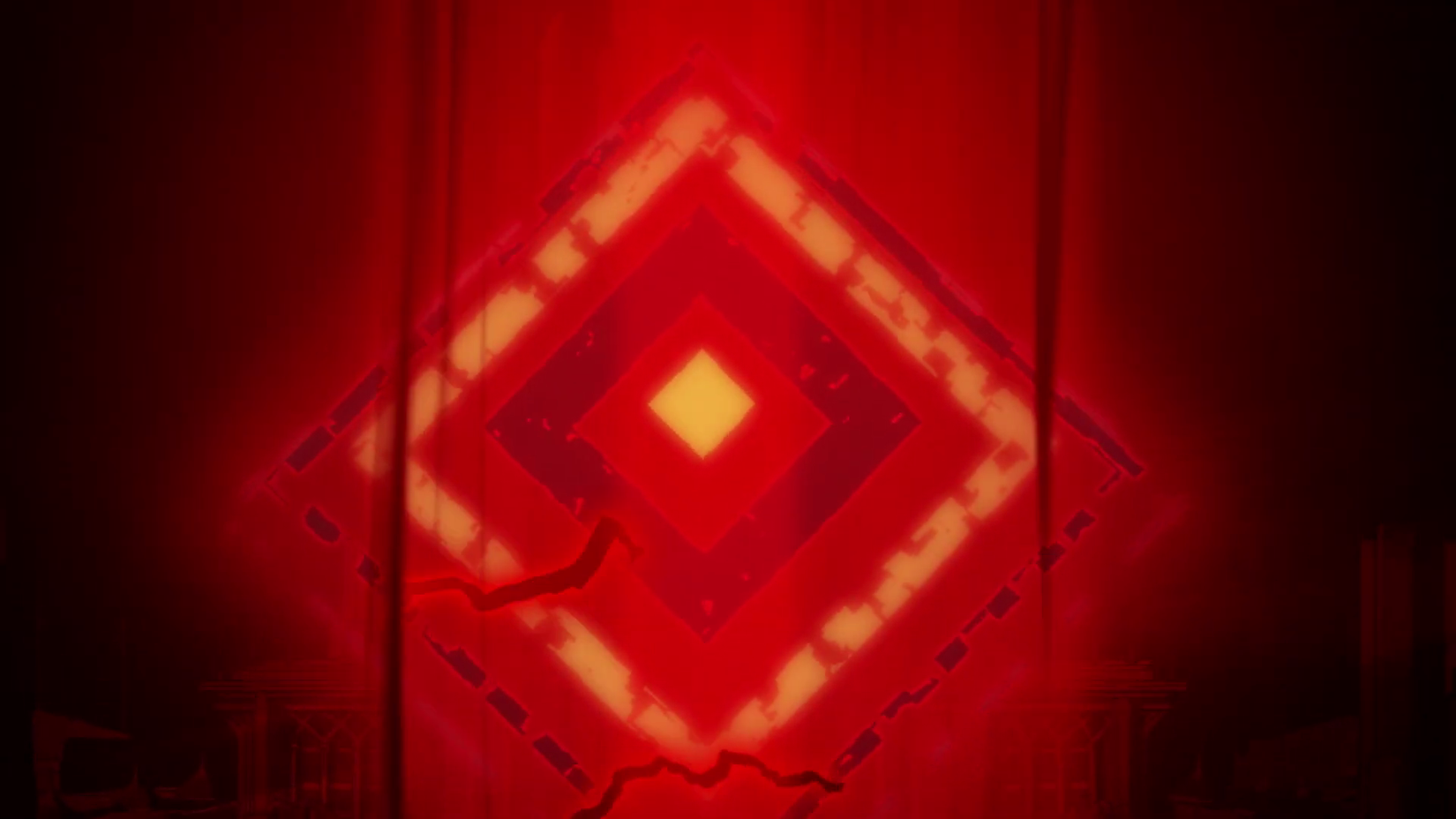
While The Legend of Korra often faced divisive reactions—with Season 2 frequently cited as a narrative trough—it established foundational mythology that continues to shape the franchise’s evolution. Consequently, the final stinger in the teaser, paired with heavy spiritual anomalies, strongly hints at a potential Vaatu resurgence.
Even within a brief ninety-second window, the trailer successfully recaptures the intellectual core that defines the best of the Avatar universe: storytelling with genuine thematic weight. This approach stands in stark contrast to hollow corporate nostalgia trips that prioritize surface-level fan service over substance. What remains consistent across Airbender, Korra, upcoming cinematic projects, graphic novels, and even interactive media is a commitment to meaningful artistic intent. This ominous glimpse of a true overarching antagonist has me deeply invested on a thematic level.
Avatar: Seven Havens premieres Oct. 9 on Paramount Plus.
Source: Polygon
Related articles
 First Details on Diablo V Emerge With Reports of New Classes and Mechanics
 Paradox Releases New DLC and Makes Surviving Mars: Relaunched Temporarily Free
 Caribbean Legend: Age of Pirates Update 1.2 Adds Story DLC and Improvements
 Zenless Zone Zero 3.3 Introduces Phoenix and Severian in First Look
 New Open-World StarCraft Shooter Announced Along with First Trailer
 Vermilion Mask Director Explains Why the New Anime Adopts an Old-School Style
 First Diablo V Teaser Suggests Diablo Won and Prepares Players for a New Era
 Heroes of the Storm to Add Playable Xal’atath Content