
5 Sci-Fi Book Trilogies With No Weak Entries
Trilogies offer writers room to develop a world while following a familiar beginning, middle, and end. The format suits science fiction particularly well. Dystopian stories like The Hunger Games can trace the many stages of a rebellion, while the science-fantasy Broken Earth trilogy explores a vast supercontinent and its complex lore.
Some trilogies start strong and falter, while others take time to find their footing. These five sustain their ideas and stories from beginning to end.
1. Sprawl Trilogy (1984–1988) by William Gibson
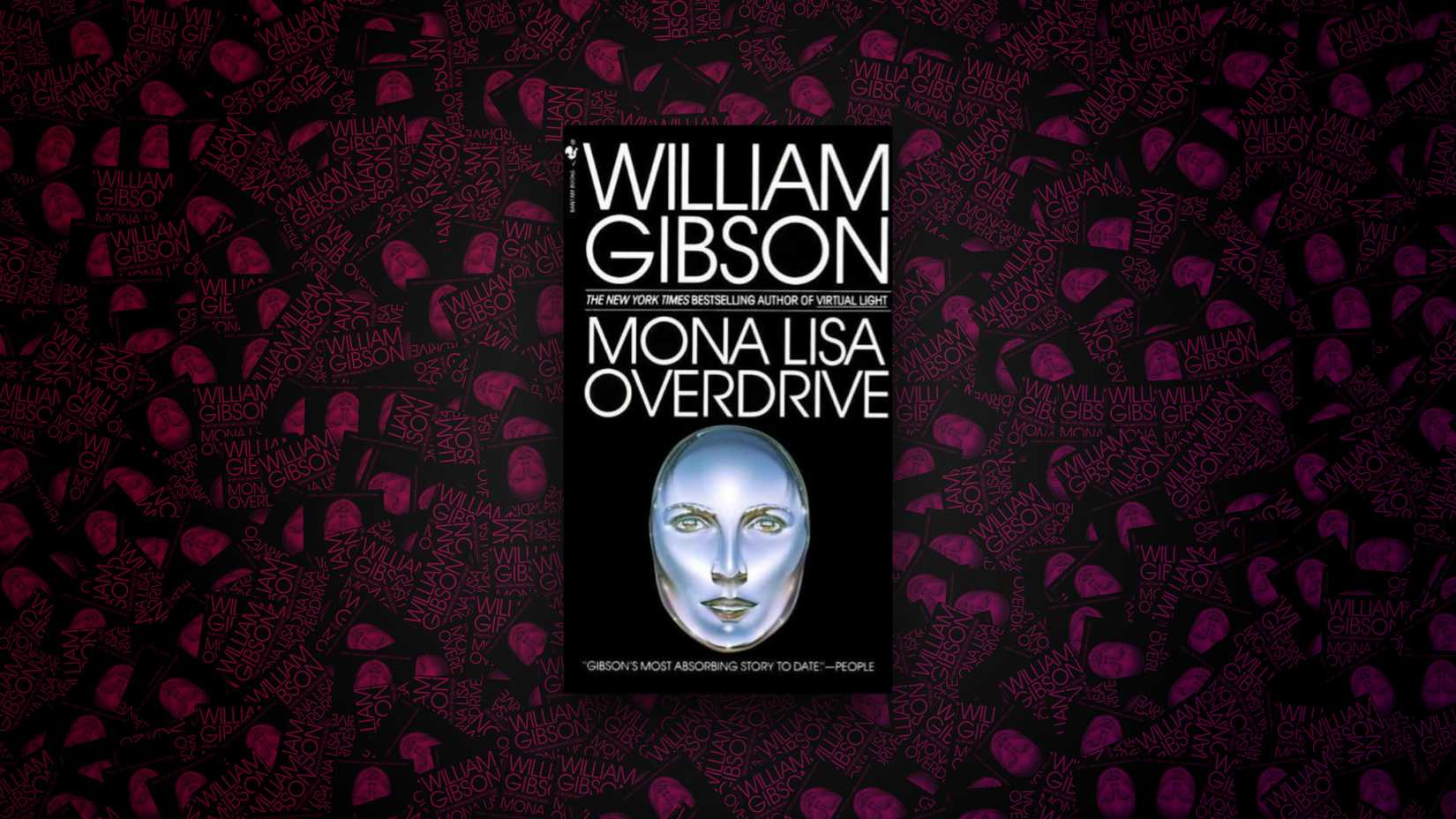
William Gibson’s Neuromancer is a foundational cyberpunk novel, but its sequels, Count Zero and Mona Lisa Overdrive, deserve attention too. In the first book, a hacker known as a console cowboy, Case, must carry out a heist to survive. A sentient AI named Wintermute emerges as an antagonist. Count Zero explores the heist’s aftermath, while Mona Lisa Overdrive exposes the rotten core of a highly technological world.
Gibson’s vivid prose favors sensory detail over explanation, which can slow the reading but also draws readers into the world. Strong character portraits and context clues help make sense of its neon-lit cities. The trilogy’s bleak view of corporate oppression has influenced conflicts in works from The Matrix to Cyberpunk 2077. Its reflective ending suggests that machine intelligence can progress without humanity.
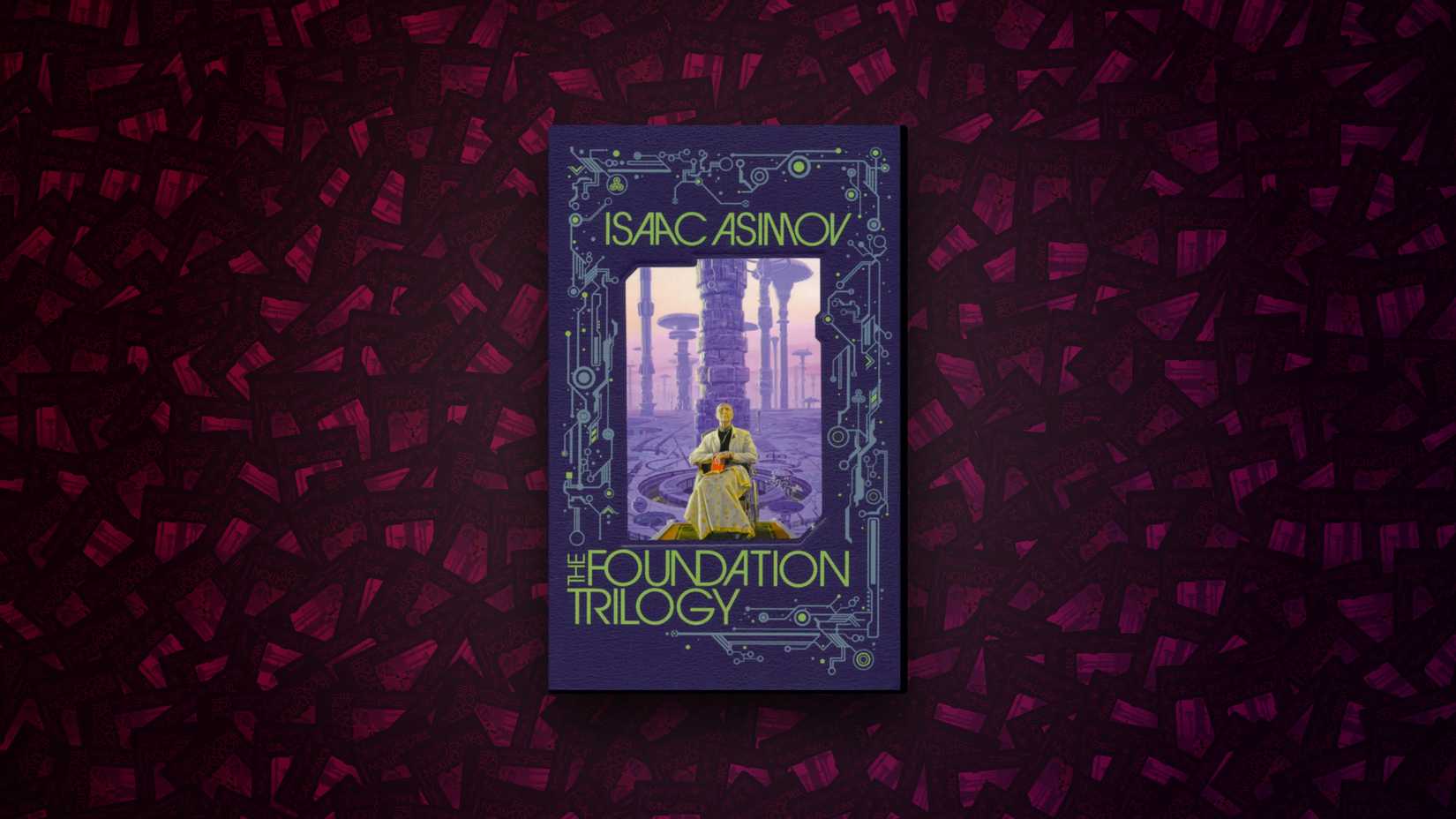
2. Foundation Trilogy (1951–1953) by Isaac Asimov
Isaac Asimov added two sequels and two prequels to the Foundation series after 1953, but the central concept began as a trilogy. In Foundation, Foundation and Empire, and Second Foundation, mathematician Hari Seldon uses a technique called psychohistory to predict the future. He foresees the fall of the Galactic Empire, a long dark age, and the rise of a second empire. Seldon sets out to shorten the interval between the two.
The novels follow the collapse of a 12,000-year-old empire shaped by social and political forces. Seldon’s ambitious plan faces repeated problems as previously unaccounted-for variables enter his calculations. Asimov turns that uncertainty into a psychological mystery on a galactic scale.
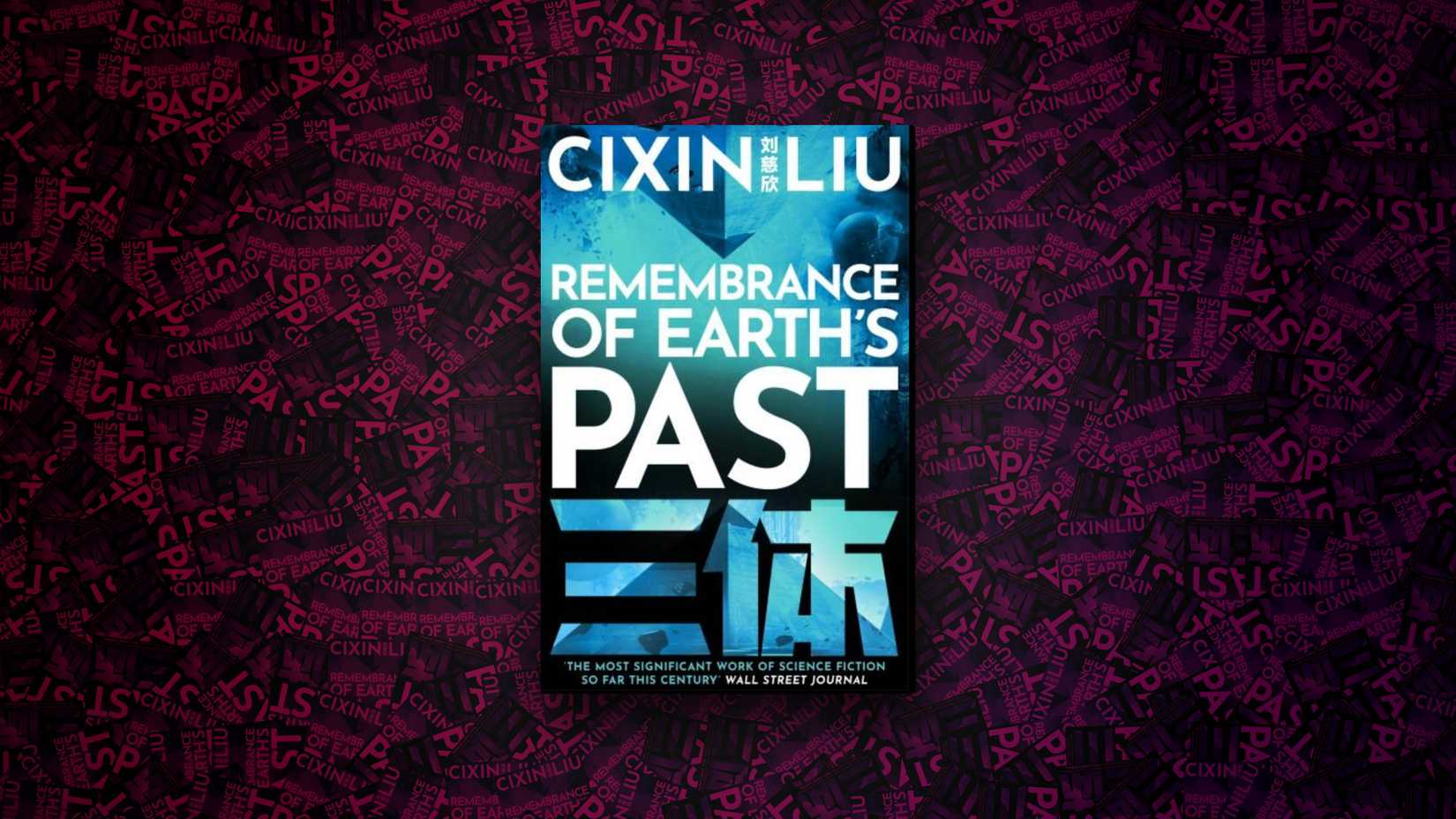
3. Remembrance of Earth’s Past (2006–2010) by Liu Cixin
Liu Cixin’s The Three-Body Problem introduces ideas about the limits of human nature and the possibility of overcoming them through cold logic. The Dark Forest and Death’s End expand those ideas into a story about civilizational entropy and cosmic forces.
The events begin when a disillusioned young woman, Ye Wenjie, invites an alien race called the Trisolarans to invade Earth. Their world suffers cycles of destruction and rebirth in a system with three suns, making Earth both a potential refuge and a target for colonization.
Characters such as Wang Miao and Luo Ji play important roles, but Liu is also concerned with humanity as a collective. The trilogy portrays the drive to survive as short-term, leaving people vulnerable to cosmic threats. Its vision of adaptation comes at a cost: humanity may have to leave its familiar identity behind.
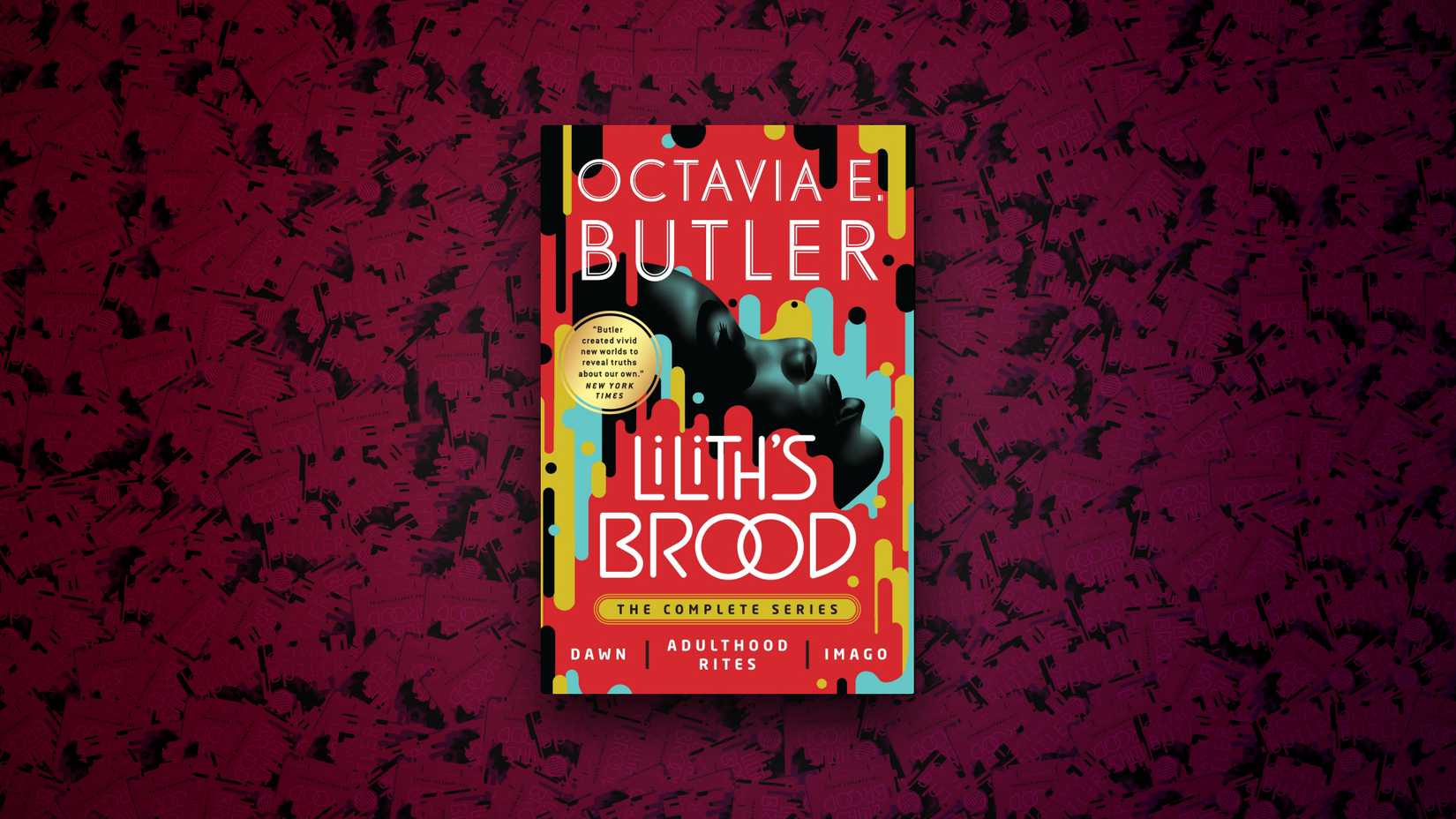
4. Lilith’s Brood (1987–1989) by Octavia E. Butler
Formerly known as the Xenogenesis trilogy, Octavia E. Butler’s Lilith’s Brood comprises Dawn, Adulthood Rites, and Imago. The story begins with Lilith, who cannot recall much of her past beyond a planetary catastrophe and an accident that killed her family. She learns that aliens called the Oankali rescued a few survivors from an irradiated Earth, leaving humanity to evolve into a different species.
The Oankali have no interest in ruling an uninhabitable Earth. Instead, they propose a genetic trade and offer humans the chance to “upgrade” themselves, though the choice can feel illusory. The aliens see humans as paranoid and self-destructive, but also intelligent and empathetic. Butler’s trilogy asks whether forced evolution might change those traits so much that humans no longer recognize themselves.

5. Mars Trilogy (1992–1999) by Kim Stanley Robinson
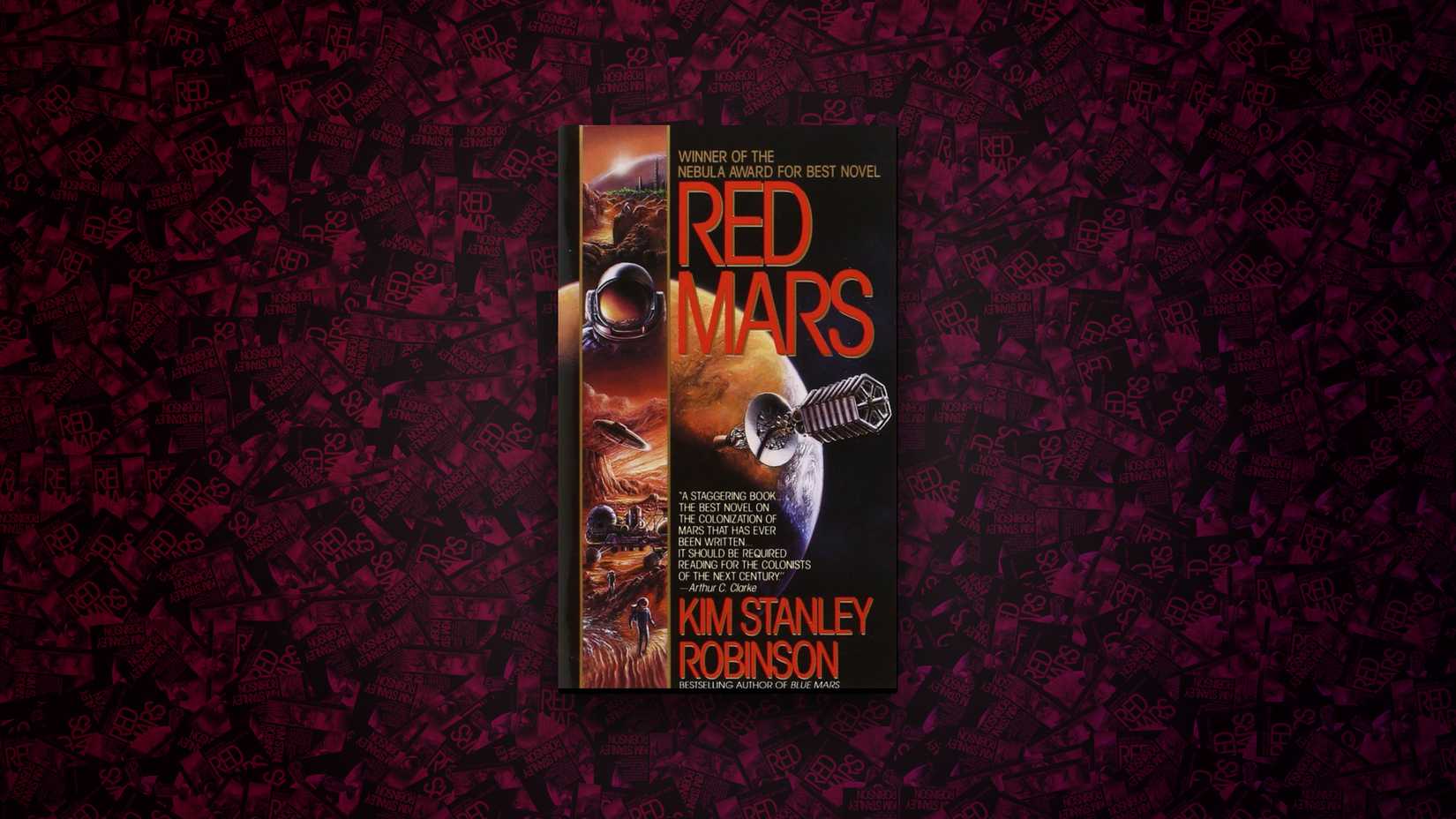
Kim Stanley Robinson’s Mars trilogy follows the settlement and terraforming of Mars with an emphasis on scientific realism. In Red Mars, Green Mars, and Blue Mars, colonists in a joint American-Russian undertaking build settlements on Mars and its hollowed-out moon. Meanwhile, Earth deteriorates under the pressures of overpopulation and environmental disasters.
Across generations, the books follow the rise of a new society as settlers contend with difficult terrain, continental ice-melt floods, and conflicts with one another. Robinson gives the colonists’ personal problems as much attention as the science of resettlement. The comparatively utopian life on Mars also throws the decline of Earth into relief.
Source: Polygon
Related articles
 GTA VI Preload Caused Widespread Internet Outages in Europe
 Stellar Blade Developers Set Their Sights on Xbox, Contact Microsoft
 Squadron 42 Gets a Release Window on Steam
 Hackers Demonstrate PS4 Can Handle the Latest God of War Project
 Tim Burton’s Corpse Bride Is Free to Stream on YouTube
 Modders Bring Multiplayer to Gears of War on PC After Years of Fan Requests
 Investors Fear Jensen Huang’s Departure Could Crash the Entire AI Market
 Crimson Desert: Patch Notes Version 2.05.00