5 Classic 1990s RPGs That Haven’t Aged Well
Memory can make an old game feel more impressive than it does when you return to it years later. What once seemed revolutionary may now feel awkward, confusing, or simply less engaging than you remember. Role-playing games are no exception.
For many players growing up in the 1990s, RPGs offered a level of depth that other games rarely matched. Instead of merely jumping over obstacles and defeating enemies, players could develop characters, explore elaborate worlds, and sometimes shape events through their decisions. That sense of discovery was powerful, even if it did not always survive a second look.
As the genre evolved, newer games introduced more intuitive interfaces and refined mechanics. Revisiting older titles can reveal frustrations that nostalgia once concealed, but it also provides an opportunity to appreciate their strengths and weaknesses with a fresh perspective.
5. Final Fantasy 8
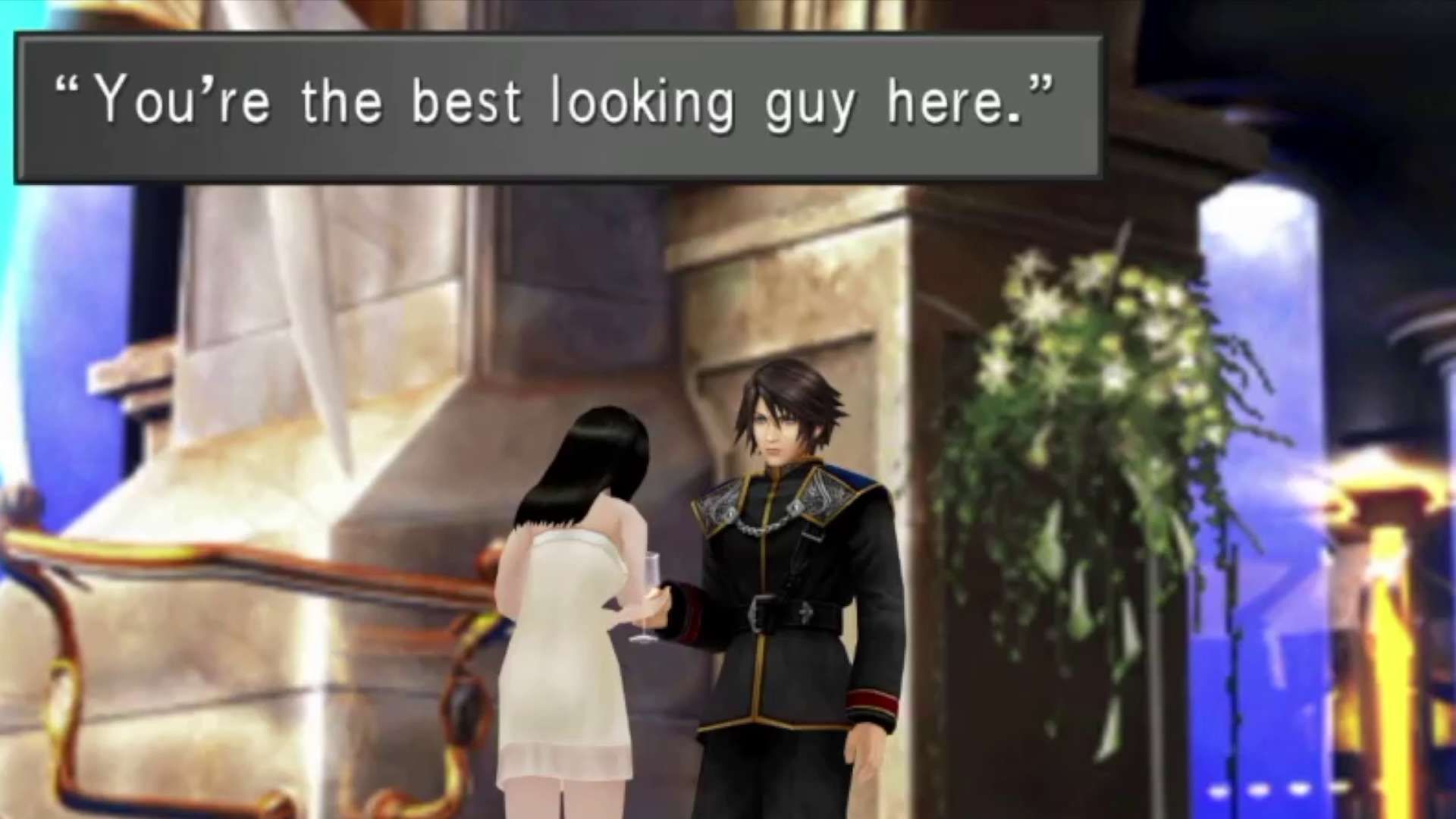
After the enormous success of Final Fantasy 7 in 1997, SquareSoft followed it with Final Fantasy 8 in 1999. The story centers on Squall Leonhart, a reserved student training to join SeeD, an organization of mercenaries sent on assignments around the world. One mission draws him into a conflict involving the expansionist Galbadian Empire and a mysterious sorceress connected to both his past and SeeD’s origins. That setup soon gives way to a much more tangled plot.
The game’s serious tone and industrial fantasy setting recall its predecessor, but its characterization and storytelling do not always support its ambitions. Some dramatic moments feel undermined by the cast’s exaggerated behavior, while the plot invites questions it struggles to answer.
The junction system is similarly divisive. Characters draw spells from enemies and attach them to their attributes, with larger stocks providing stronger bonuses. Because casting those spells can weaken the associated stats, the system can discourage players from using the magic they collect. It is also easy to exploit, making many battles much less challenging than intended.
4. J.R.R. Tolkien’s The Lord of the Rings, Vol. 1
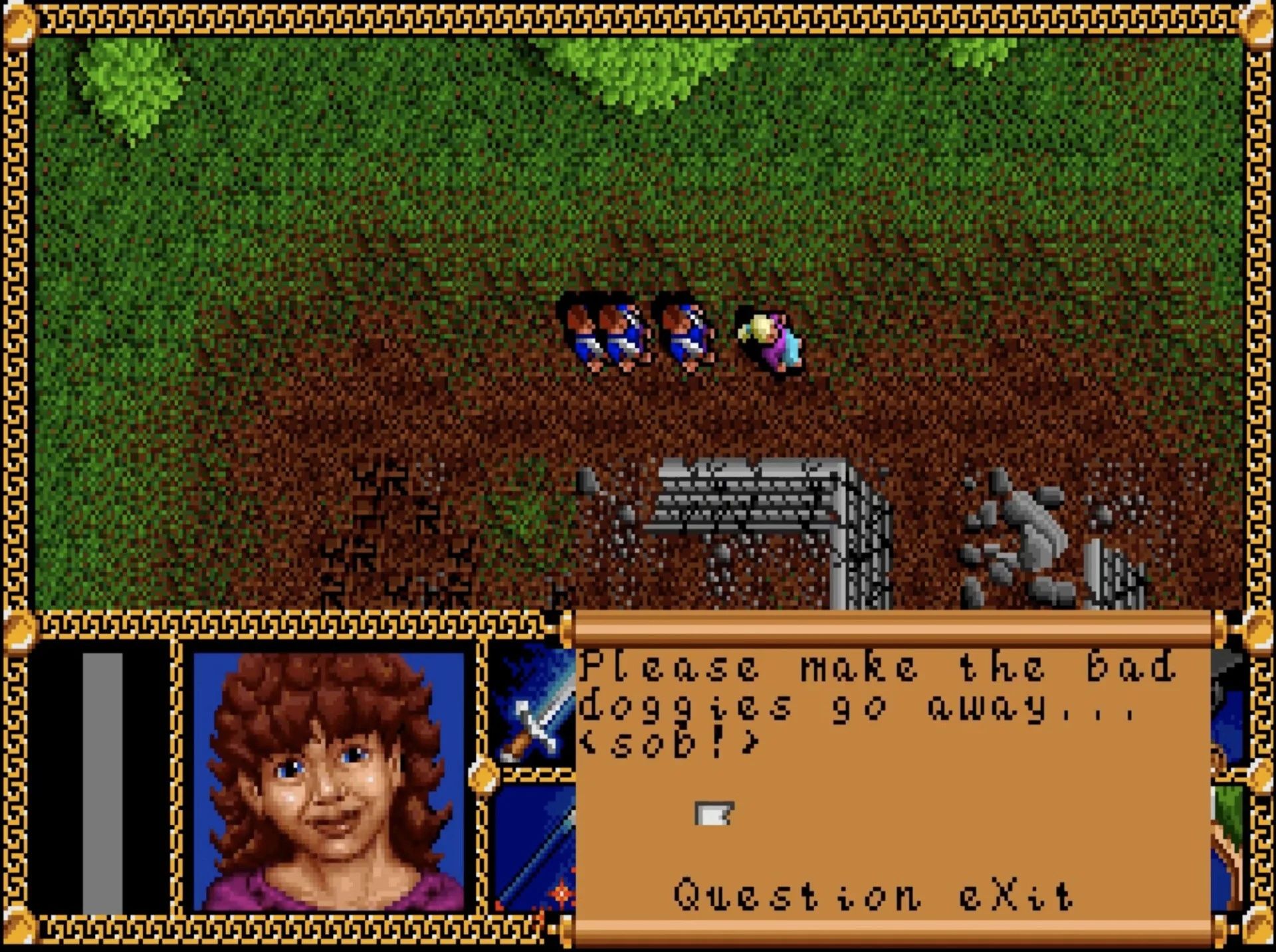
Middle-earth seems like an ideal setting for a role-playing game, and 1994’s The Lord of the Rings, Vol. 1 makes an early attempt to bring it to life. Adapted from The Fellowship of the Ring, it puts players in control of Tolkien’s heroes as they face Sauron’s servants, including Orcs, wraiths, and other dangerous creatures.
Unfortunately, the adventure often reduces its grand source material to routine errands. Players visit memorable places such as the Shire, Bree, Rivendell, and the Mines of Moria, only to spend much of their time retrieving items for minor characters and fighting unremarkable foes. The familiar locations offer a glimpse of the world Tolkien created, but repetitive quests and combat leave much of its potential unexplored.
3. Ultima 8: Pagan
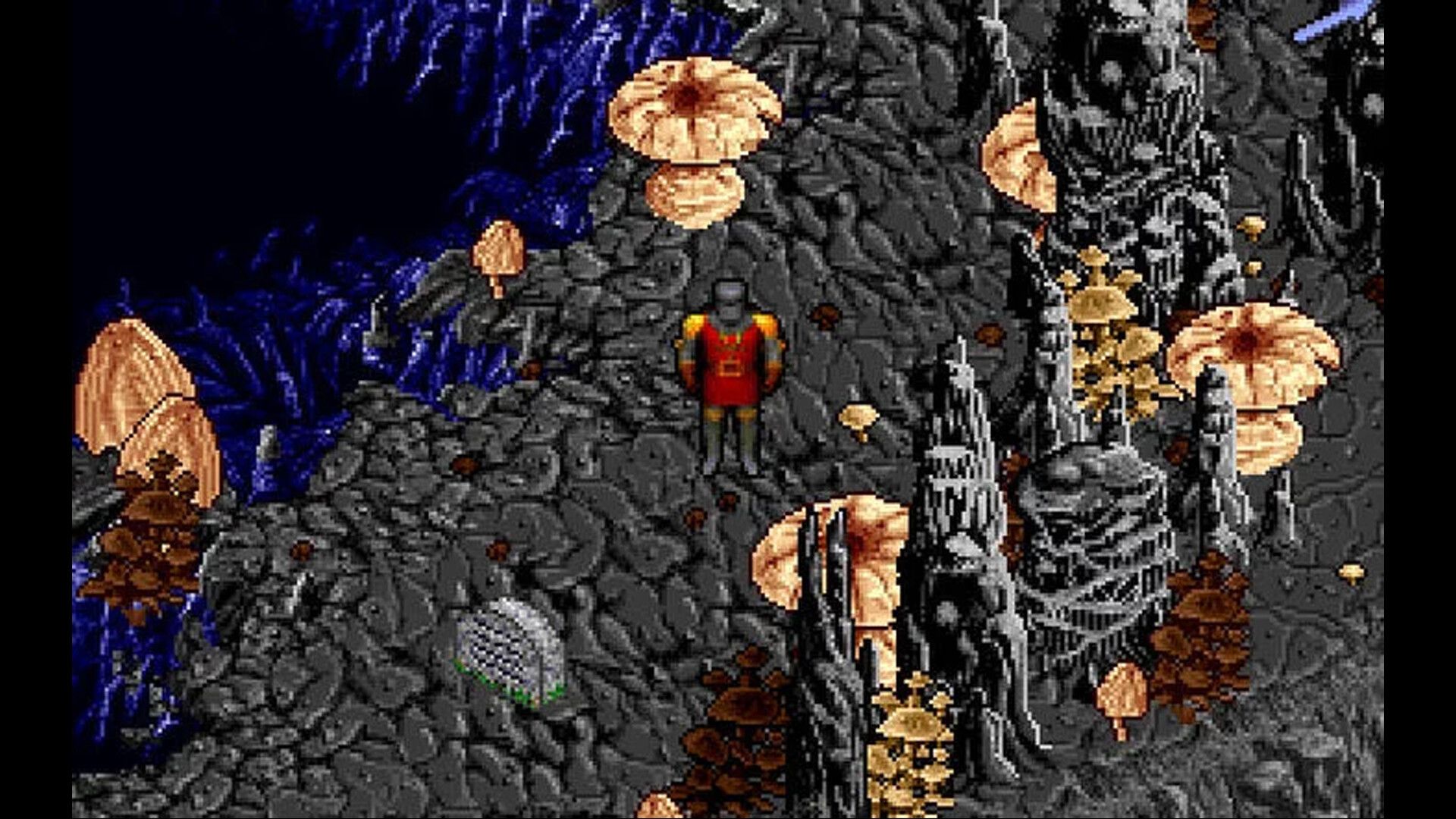
Although Ultima 9: Ascension is often blamed for the series’ decline, the warning signs were already visible in 1994’s Ultima 8: Pagan. Following the Avatar’s victory over a murderous religious order in Britannia, the Guardian banishes the hero to the hostile world of Pagan. To escape, the Avatar must learn its elemental magic and uncover the secrets of its dark powers.
The premise could have supported another memorable adventure, but the finished game feels rushed. Buggy quests undermine progress, while many of the character options associated with earlier entries are reduced or removed. In their place are repetitive combat, uneven writing, and notoriously imprecise platforming. For a series known for its influence on Western RPGs, Pagan can feel like a disappointing step backward.
2. The Elder Scrolls 2: Daggerfall
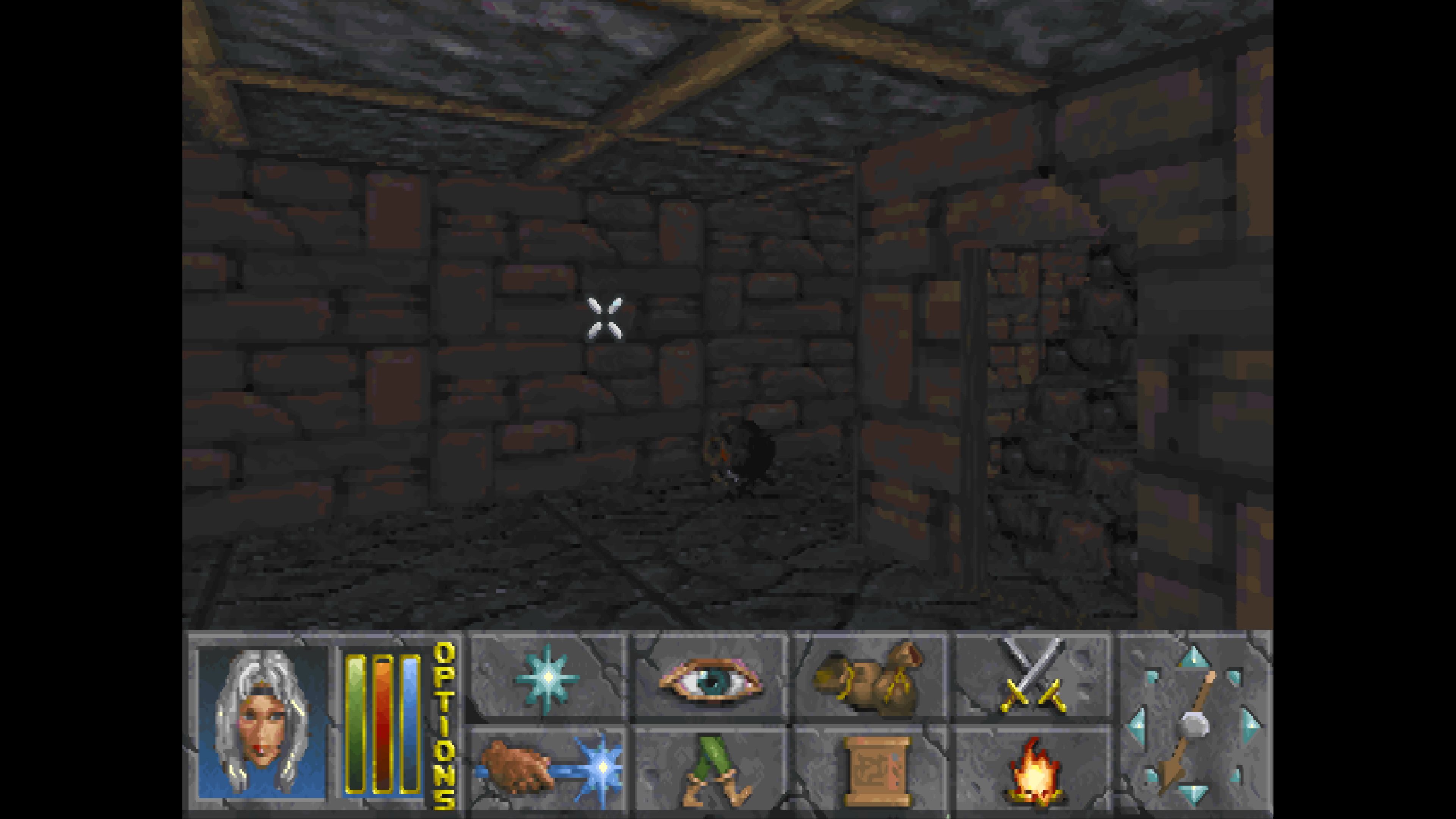
Released in 1996, The Elder Scrolls 2: Daggerfall sends players to Tamriel as an agent of the Emperor. Their initial assignments are to lay King Lysandus’s restless spirit to rest and discover what happened to a letter intended for Daggerfall’s queen. Those investigations lead into a broader struggle involving political rivals and a legendary weapon.
The game’s vast world and extensive role-playing systems remain impressive, but its ambition comes with considerable drawbacks. Movement can feel stiff, combat detection is inconsistent, and the visuals show their age. Without modern quest markers, finding the next destination also demands patience. That freedom may appeal to players who enjoy navigating by clues, but similar-looking settlements and landscapes can make exploration feel directionless.
1. Phantasy Star 3: Generations of Doom
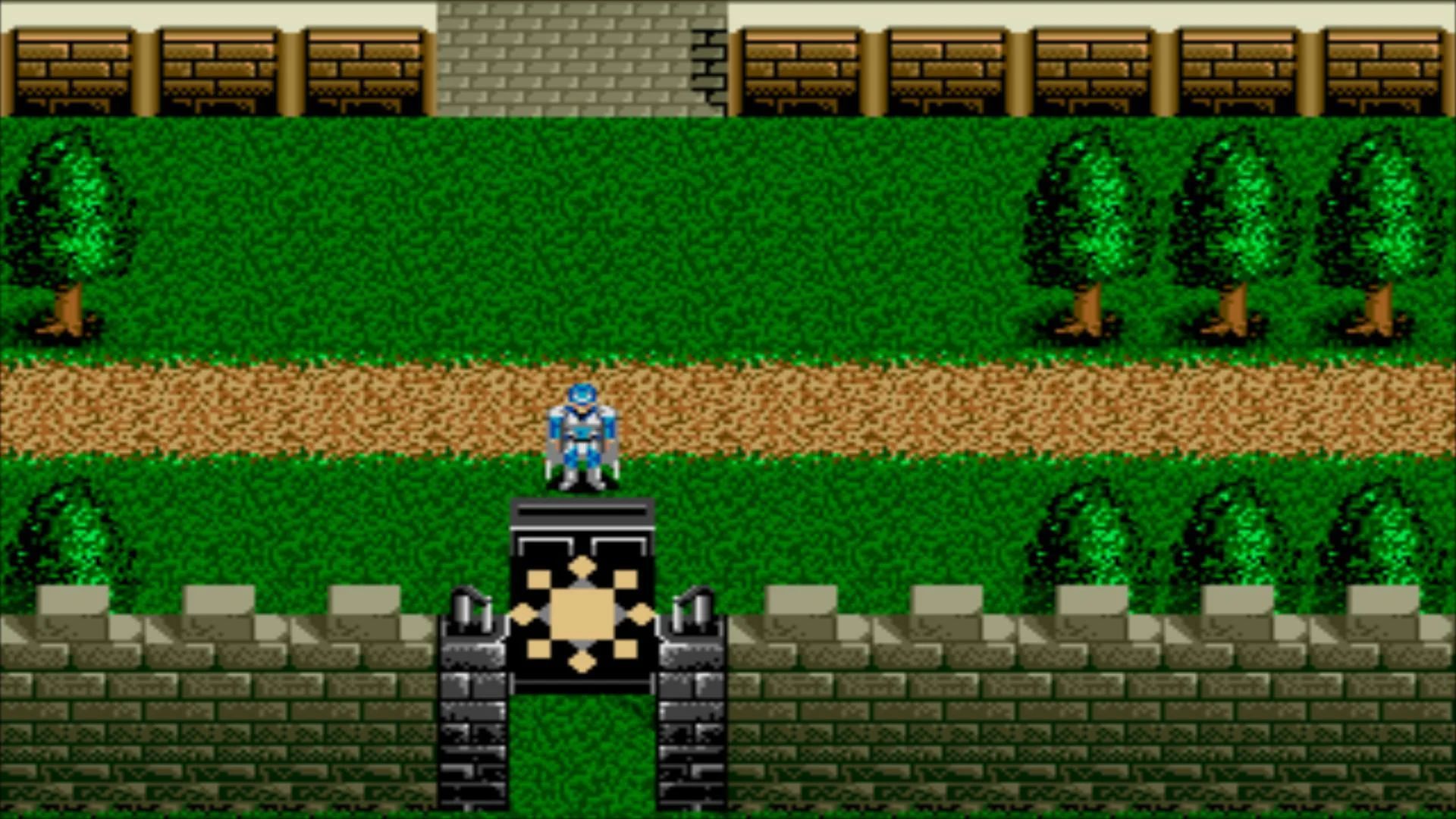
Released in 1990, Phantasy Star 3: Generations of Doom follows a long-standing conflict between the Orakians and the Layans. Its story begins with Rhys, an Orakian prince whose wedding to the mysterious Maia is interrupted when she is abducted. His search for her reveals that the history of the two peoples is more complicated than he believed, and the consequences extend to his descendants.
Playing through multiple generations is an intriguing idea, but the changing cast leaves limited time to develop each protagonist. The fragmented narrative also gives way to gameplay that can feel repetitive, with reused assets, fairly generic environments, and stiff combat. Its generational structure distinguishes it from other entries in the long-running series, but its execution does not always live up to the concept.
Source: Polygon
Related articles
 Xbox Plans to Boost Marketing for Its Games in 2027
 Nintendo Fixes Critical Bug in The Legend of Zelda: Ocarina of Time on Switch 2
 GTA VI Physical Edition Sales in Europe Reach Levels Not Seen Since FIFA 20
 Max Verstappen Says He Spent 40 Hours Playing GTA VI in Las Vegas Between Races
 Is GTA VI Overheating Xbox Series X|S? Repair Shop Reports Sharp Rise in Console Failures
 8 New TV Shows to Watch on Netflix and Prime Video November 27–29
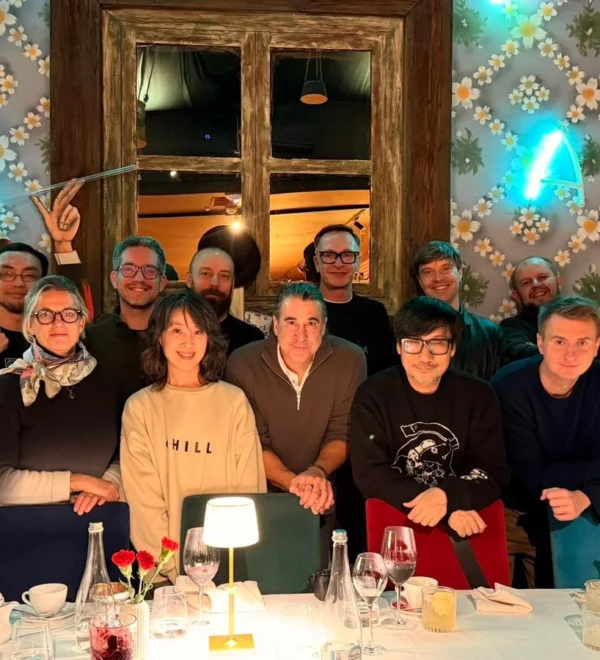 Hideo Kojima Visits CD Projekt Red as Players Notice Photo of an Alcoholic Drink
 GitHub Praised Developers Running GTA 6 on PC, but the Post Was Deleted