4 Most Disappointing Game Franchises That Never Surpassed Their Originals
It is easy to assume that a video game series will improve with each installment. A debut gives developers room to test their ideas, learn from feedback, and identify weaknesses. A sequel can then build on those lessons, refining the formula into a more polished experience. In practice, however, progress is rarely so straightforward.
Some franchises make their strongest impression right away, only to lose their appeal over time. Developers may double down on the wrong features, or a new team may struggle to capture what made the original special. Whatever the reason, a disappointing follow-up can leave fans longing for the games that earned their affection in the first place.
4. Dragon Age
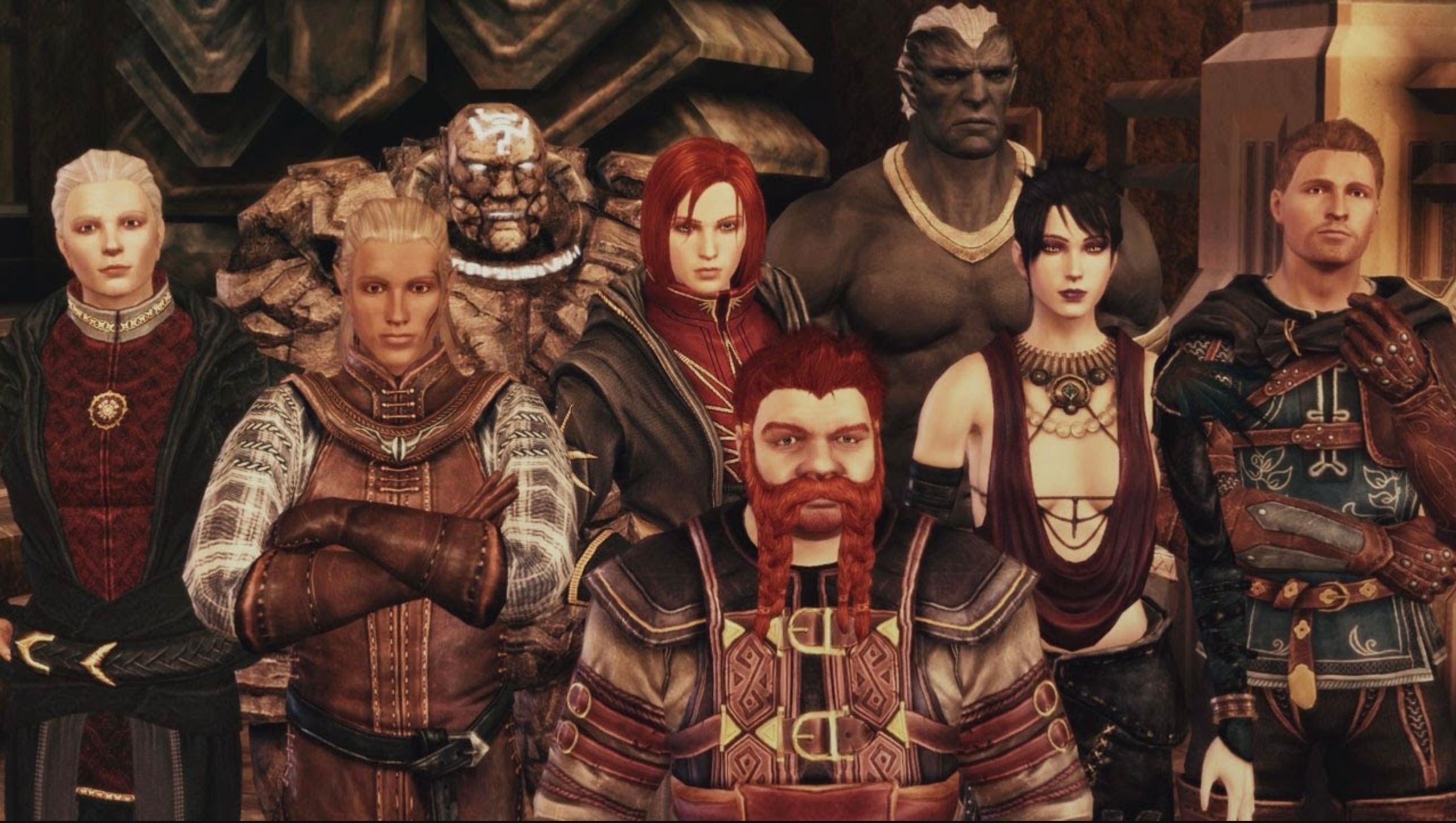
After the success of Mass Effect, BioWare brought its storytelling ambitions to fantasy with Dragon Age: Origins in 2009. Players could choose from several races, classes, and backgrounds, shaping a personal story against the backdrop of a kingdom at war. Memorable companions responded to decisions, disagreements, and attempts to build relationships, giving the adventure a sense of consequence. Its visual presentation and repetitive dungeons had shortcomings, but the depth of its role-playing more than compensated.
Later games improved the presentation while moving away from parts of that original formula. The rushed Dragon Age 2 (2011) offered a smaller-scale adventure and pared back several role-playing features. Dragon Age: Inquisition (2014) restored some of that breadth with expansive regions, quests, treasures, and allies to recruit. Yet its sprawling maps also brought a great deal of busywork, some of it tied to progression through the main story.
Dragon Age: The Veilguard (2024) took the series in a more action-oriented direction. For players who valued the tactical combat and darker atmosphere of Origins, its streamlined gameplay and linear environments felt like a step away from the series’ strengths. Its lighter dialogue and stylized visuals also proved divisive, while some critics found the writing and choices less convincing. The result was a game that felt far removed from the RPG that began the series.
3. Insomniac’s Marvel Series
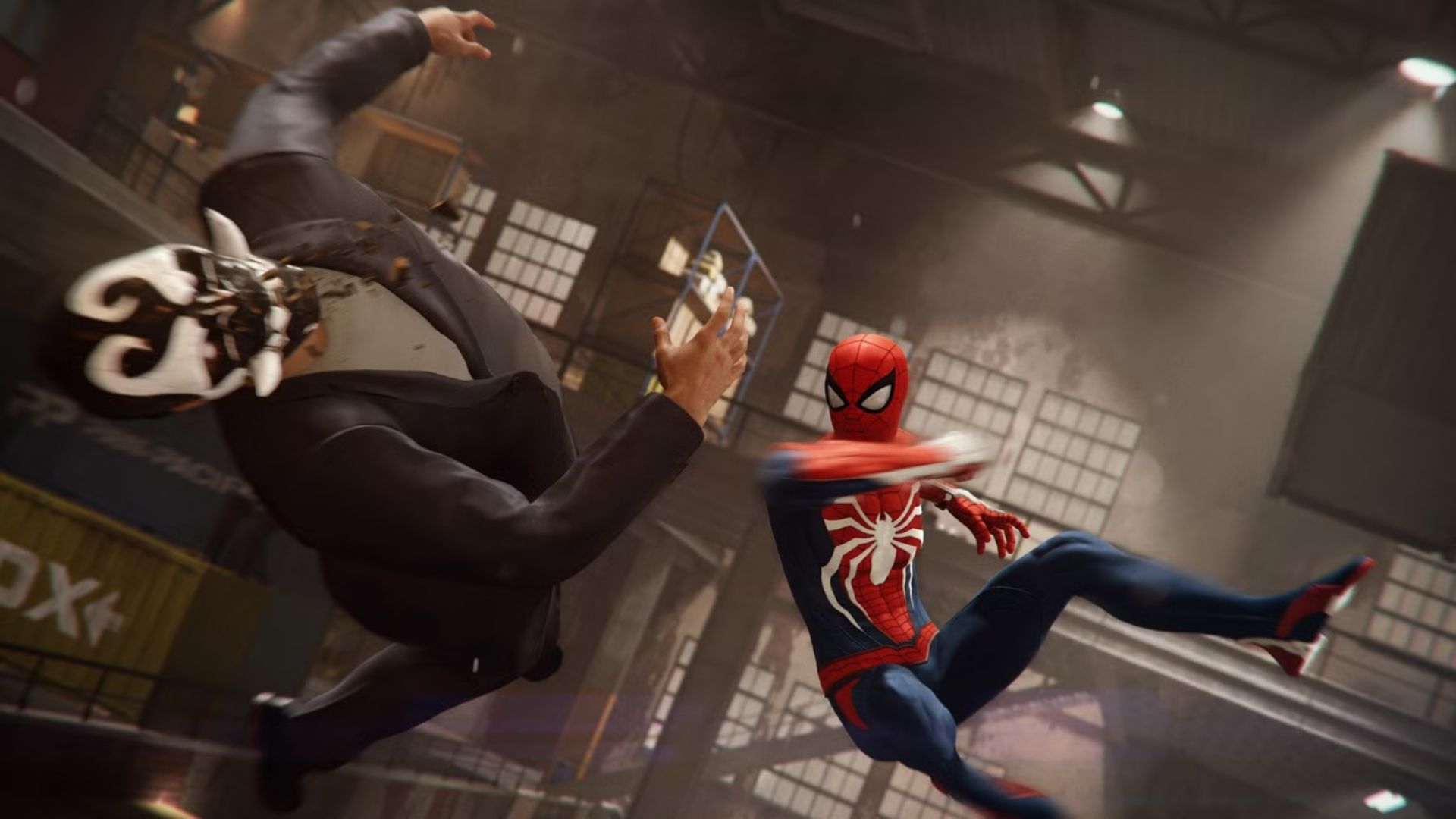
Marvel’s Spider-Man (2018) gave superhero fans an exhilarating way to explore New York. Insomniac’s fluid web-swinging made simply crossing the city entertaining, while collectibles, crimes, and side activities provided plenty to do along the way. The adventure was not without flaws: uneven storytelling, tedious minigames, and Mary Jane’s stealth sequences occasionally interrupted the momentum. Even so, its strengths offered a promising foundation for future games.
Spider-Man: Miles Morales (2020) delivered a shorter adventure that some players found closer to an impressive showcase for new hardware than a full sequel. Marvel’s Spider-Man 2 (2023) brought Peter Parker and Miles together, but balancing both heroes left some storylines and gameplay ideas feeling underdeveloped. For critics of the series, awkward dialogue and melodrama further weakened the experience.
Insomniac’s expanding Marvel ambitions promise more stories about familiar heroes. The challenge is to give those adventures the same sense of energy and purpose that made swinging through the original game’s New York so compelling.
2. Banjo-Kazooie
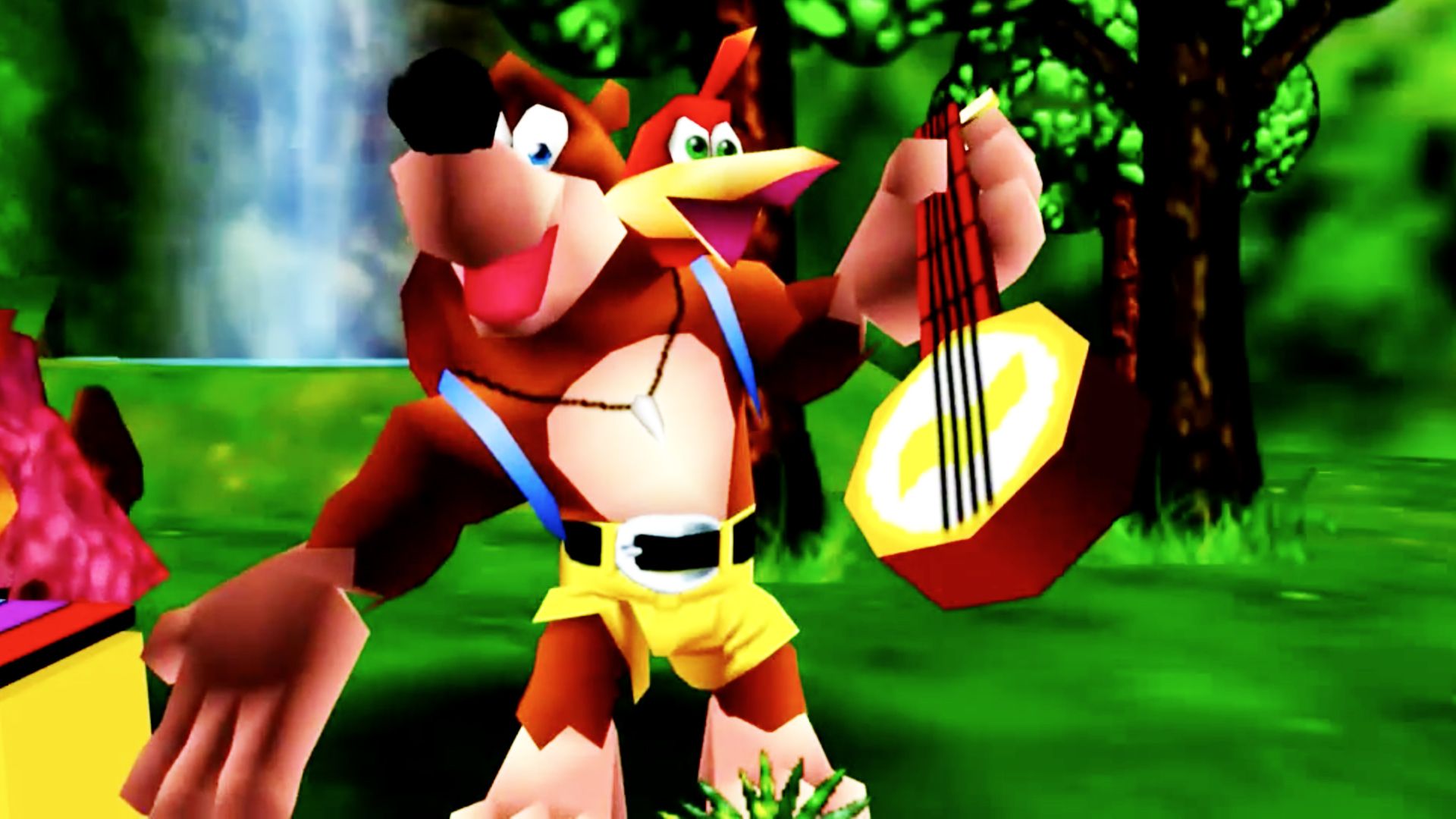
Released in 1998, Banjo-Kazooie showed how charming and inventive a 3D platformer could be. Its bear-and-bird duo explored nine colorful worlds, overcoming obstacles and solving puzzles while collecting musical notes and jigsaw pieces. That straightforward but rewarding loop helped establish the appeal of the collect-a-thon.
Banjo-Tooie (2000) expanded the formula with larger, more interconnected environments. For some players, however, the increased scale came at the expense of pacing, with extensive backtracking turning exploration into a chore. Subsequent games took the series in different directions rather than simply refining the platforming template.
The later entries experimented with a variety of formats. Banjo-Kazooie: Grunty’s Revenge (2003) brought the adventure to handhelds, though its simpler design and modest challenge made it feel less substantial than the console games. Banjo-Pilot (2005) shifted to kart racing without matching the polish of the genre’s leaders. Then Banjo-Kazooie: Nuts & Bolts (2008) returned to consoles but made vehicle construction the focus, leaving fans of traditional platforming with a very different kind of adventure.
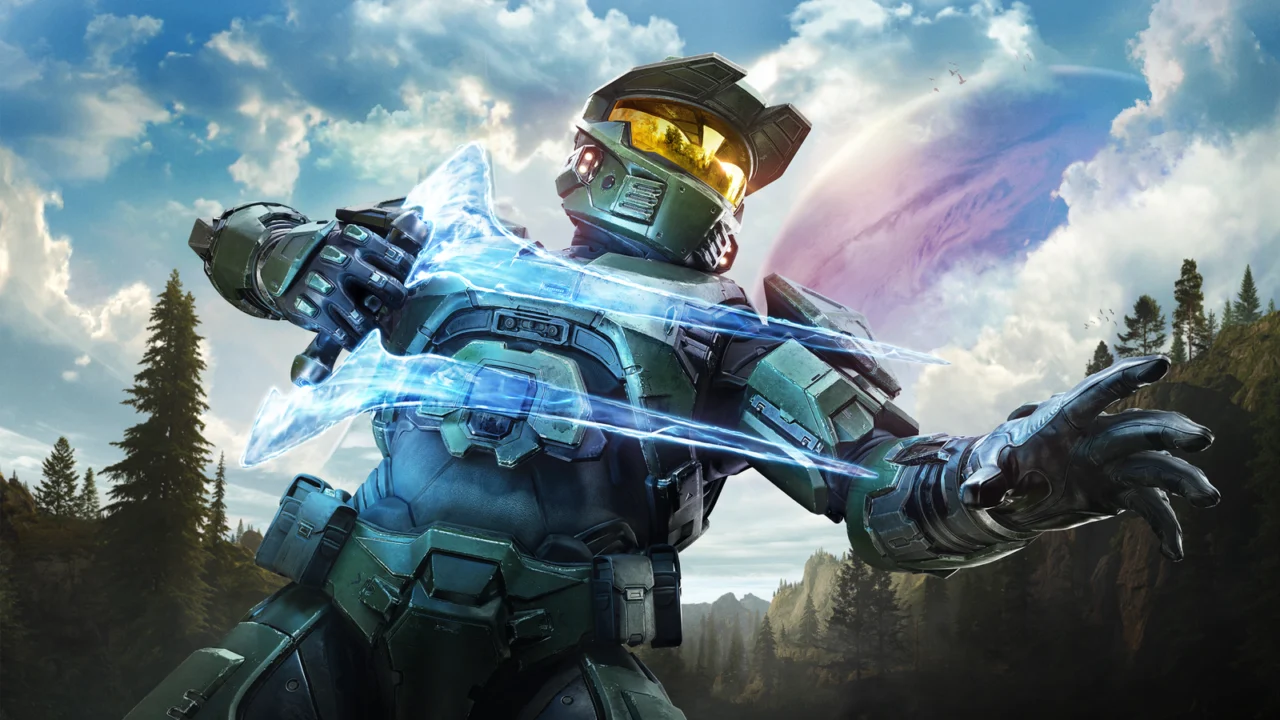
1. Halo
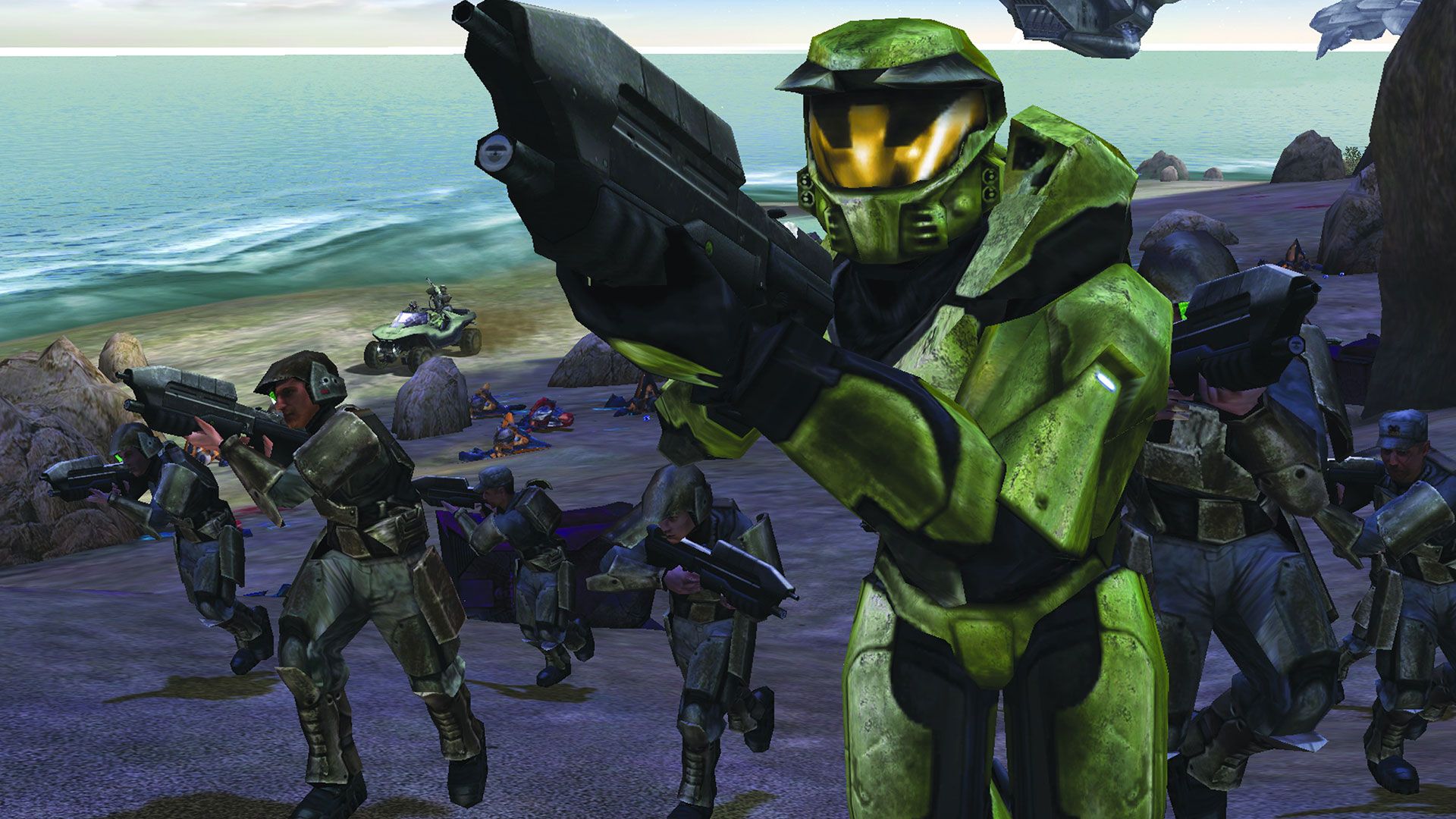
As Xbox’s flagship franchise, Halo set a high bar from the beginning. Halo: Combat Evolved (2001) combined a tightly designed first-person shooter with an imaginative science-fiction setting. Halo 2 (2004) and Halo 3 (2007) expanded those ideas into an ambitious interstellar saga, cementing the series’ reputation.
Later releases still had memorable moments. Halo 3: ODST (2009), Halo: Reach (2010), and Halo 4 (2012) each brought something worthwhile, even if their campaigns did not capture the original trilogy’s appeal for every player. Over time, a greater emphasis on multiplayer and changes to campaign design left some fans concerned about the direction of the series.
Halo 5: Guardians (2015) and Halo Infinite (2021) continued to offer multiplayer action, but their stories drew criticism. For some longtime players, the newer characters and narrative choices failed to match the impact of the established heroes. The series remains influential, though its later campaigns have struggled to recapture the magic of its earliest adventures.
Reader Questions
What influences your decision to buy the next game in a series you feel is declining?
- Hope that the gameplay will improve or change in a way I enjoy
- Attachment to the story, characters, or world
- Loyalty to the series or fear of missing out
- A discount, subscription, or inexpensive way to try it
Have you stopped following a favorite franchise after a disappointing sequel?
- Yes, and I no longer buy games in the series
- Yes, but I still follow the news and might return after strong reviews
- No, I usually keep buying the games
- No, but I wait for a sale or subscription access
What would you most like developers to improve in future sequels?
- Less filler and more meaningful quests and missions
- Deeper, more consistent stories and character development
- Stronger core gameplay instead of flashy gimmicks
- More distinctive art direction
Source: Polygon
Related articles
 BioWare Co-Founder Names a Price for Bringing Back Mass Effect 5
 Until Dawn 2 Will Remain Single-Player as Developers Discuss Endings and PS5 Capabilities
 Bandai Namco Shuts Down Unknown 9: Awakening Developer Reflector Entertainment
 How to Get and Use the Song of Storms in The Legend of Zelda: Ocarina of Time
 Universes Beyond’s Most Intense Villain Officially Ranks Among Magic: The Gathering’s Top 10 Commanders
 WARDOGS Season 3 Launch Date Announced Alongside 185,000 Bans and a New Map
 Rockstar Officially Confirms GTA 6 Is Playable on Xbox One