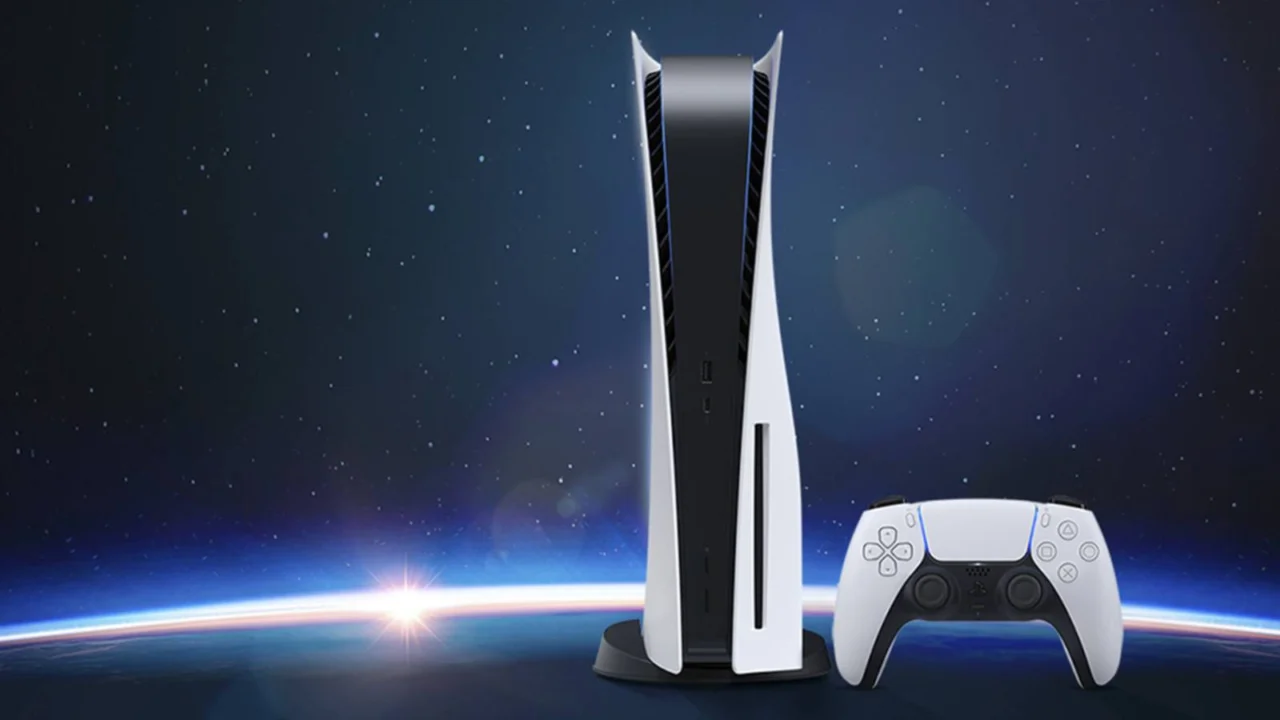
3 Reasons Console Prices Won’t Drop Anytime Soon
By this stage in a console generation, prices have traditionally fallen considerably, helping more people afford the hardware and expanding the player base. This generation has taken a different path. The standard PlayStation 5 costs $649.99, or $150 more than its launch price, while the Xbox Series X costs $799.99, a $300 increase from its debut six years ago.
Unfortunately, relief is unlikely to arrive soon.
Hardware component supplies may not improve until 2028
A shortage of key components, particularly DRAM memory, is one of the main reasons consoles remain expensive. The rapid expansion of AI data centers, which consume vast amounts of memory, has contributed heavily to the shortage. According to GamesIndustry.biz, an analysis by S&P Global Market Intelligence Kagan suggests console manufacturing costs may not begin to decline until at least 2028, when DRAM production is expected to increase.
Several major manufacturers have shifted capacity away from consumer DRAM and toward memory used in AI data centers. That has tightened consumer supply and driven prices sharply higher. Although manufacturers are working to expand production, scaling up could take until 2028 or later. The pressure extends beyond current consoles: If the next-generation Xbox Project Helix and PlayStation 6 launch next year, they could also carry exceptionally high prices.
AI data centers could absorb the additional memory supply
Even if greater production begins to ease consumer DRAM prices in 2028, AI data centers could claim much of the additional supply. S&P analyst Neil Barbour told GamesIndustry.biz that growing data center demand could quickly consume the extra capacity. He noted that manufacturers are earning record revenue and margins from data center construction, making that market the primary focus of their expansion plans.
More capacity could become available for traditional DRAM if data center development slows because of regulation or weaker-than-expected demand, Barbour said. For now, the data suggests meaningful relief is unlikely to enter the conversation before 2028. There is one modest consolation: Barbour does not consider further price increases inevitable.
Proposed tariffs add another source of uncertainty
The DRAM shortage is not the only concern. The Trump administration proposed a new round of tariffs on Wednesday that would affect imports from dozens of countries, including China, Japan, South Korea and European Union members. Many of the proposed duties reach 20%, and the administration has threatened tariffs of up to 40% on Chinese imports if Beijing does not meet certain demands.
South Korean companies Samsung and SK Hynix, along with China’s CXMT, produce a substantial share of the world’s RAM. Samsung and SK Hynix manufacture much of their memory in China and South Korea. PlayStation 5 consoles are made in Japan, China and other countries affected by U.S. tariffs, while Xbox Series consoles are at least partly manufactured in China.
It is difficult to predict how long the duties might remain in place. Even if the tariffs disappeared overnight, however, console prices could remain high for years.
Source: Polygon
Related articles
 Analysts Don’t Expect PS5 and Xbox Prices to Drop for Several More Years
 New NVIDIA Driver Fixes SSD Issue but Breaks Monitors
 Festival for Games Made Without AI Emerges After Steam Next Fest Controversy
 New God of War Runs on PC at 4K and 240 FPS
 Remedy Explains Who Is Standing in the Way of Quantum Break 2
 Could Half-Life 3 Have No Loading Screens? Insider Shares New Details
 Silent Hill Gets Ray Tracing and Improved Textures
 New NVIDIA Driver Causes FPS Drops in Call of Duty: Modern Warfare 4