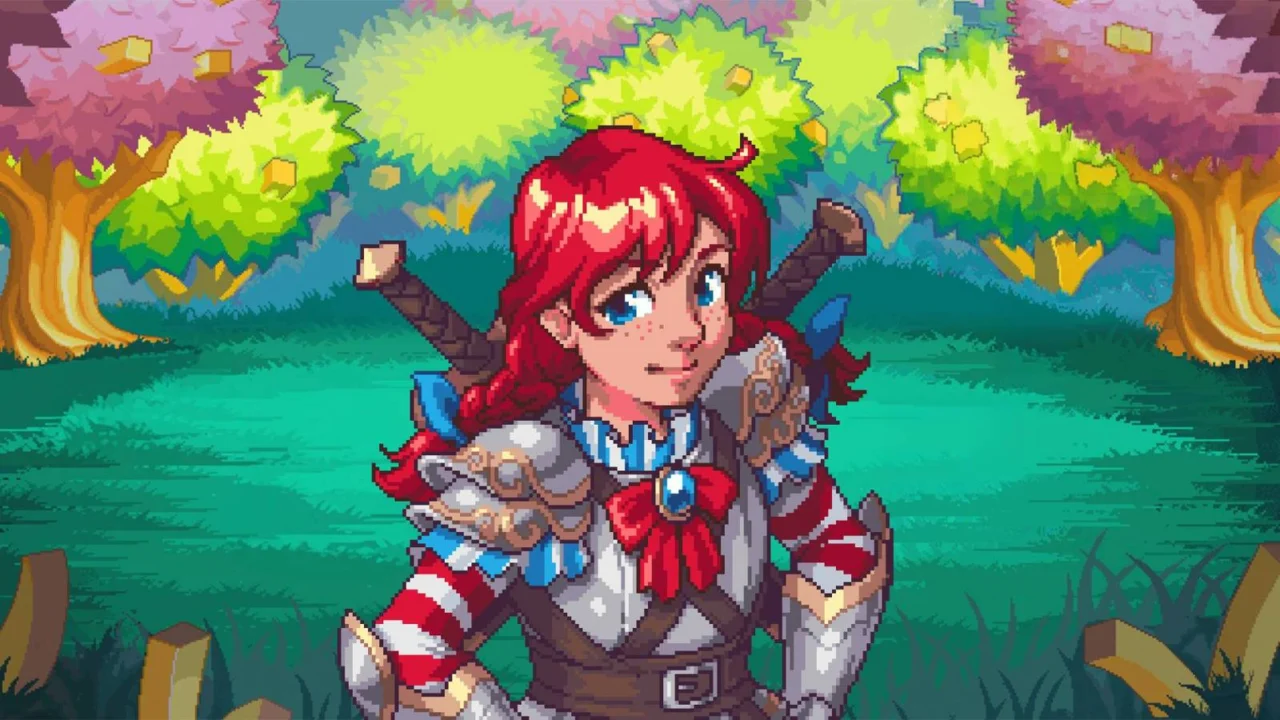
2026’s Most Unexpected JRPG Came From a Burger Chain
One unexpected challenge to the rise of AI-generated art has emerged from a campaign to sell burgers.
Over the past year, Wendy’s—the chain famous for square patties, thick shakes, and its unlikely history with Tim Hortons—has explored some unusual creative partnerships. As the company contends with falling sales and waning attention, it has looked to music and video games for a way to reconnect with audiences.
One of its most talked-about projects was the post-hardcore EP Songs to Listen to in a Wendy’s Parking Lot. Its six tracks brought together musicians from bands with genuine emo credentials, including Anberlin, Blessthefall, Silverstein, and Winona Fighter. Corporate sponsorship aside, the songs deliver. Put on “She Said She Didn’t Want Fries”, and it is easy to imagine hearing it on repeat in a Wendy’s parking lot circa 2008.
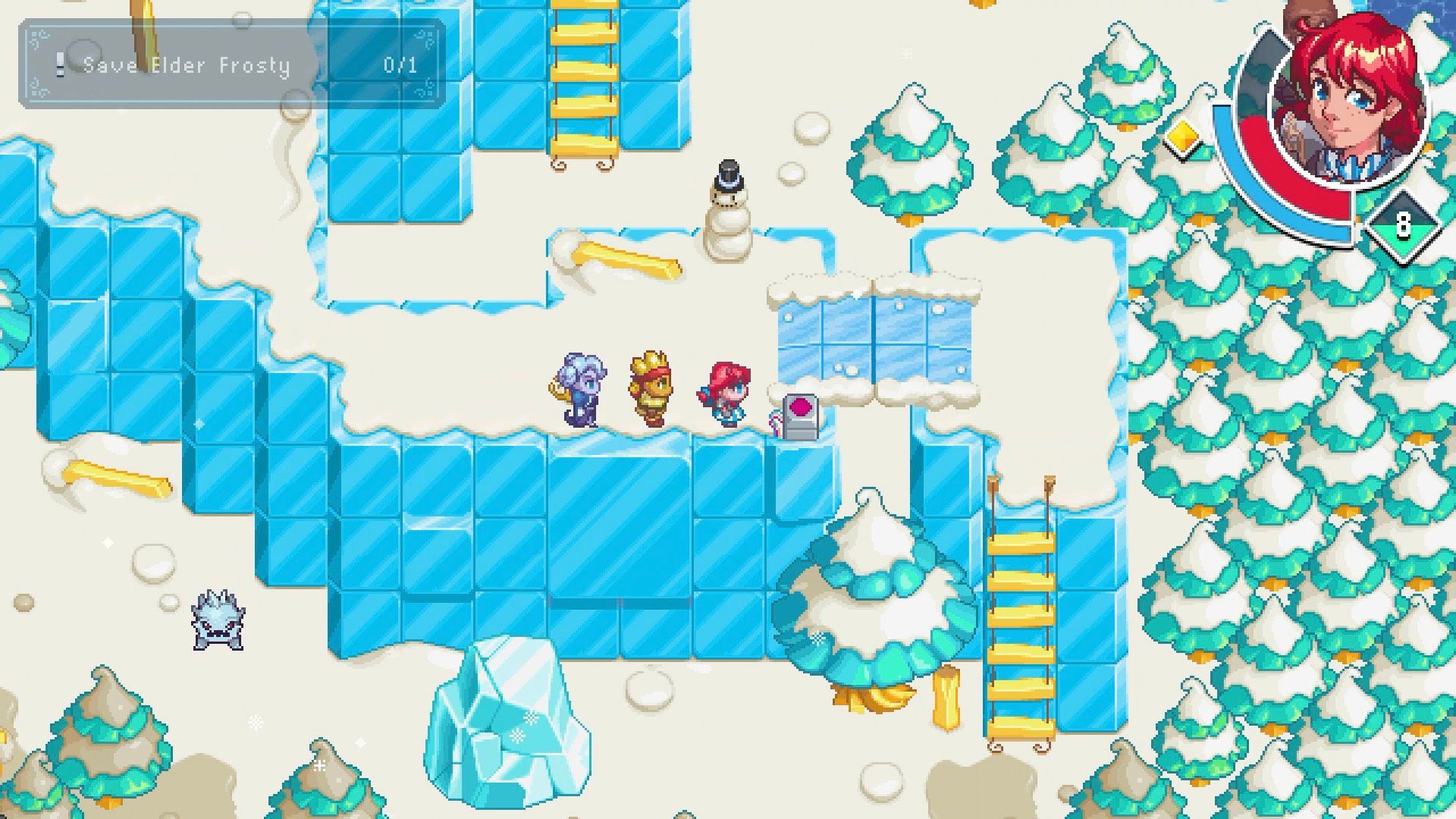
Following the EP is WendyQuest: Legend of the Four Corner Stones, a love letter to classic Japanese role-playing games. Like the music project, it feels surprisingly authentic.
“Wendy’s should not have a game that’s this good,” Stephane Cotichini, founder and game director at developer 81Monkeys, told Polygon during a video call.
And no, the studio’s name has nothing to do with the 2025 story about suspected smugglers transporting 81 monkeys across the Thailand-Cambodia border. Cotichini said someone sent him the story as soon as it broke, leaving him astonished that the number matched his studio’s name.
The story behind WendyQuest begins with a familiar problem for independent developers: money.
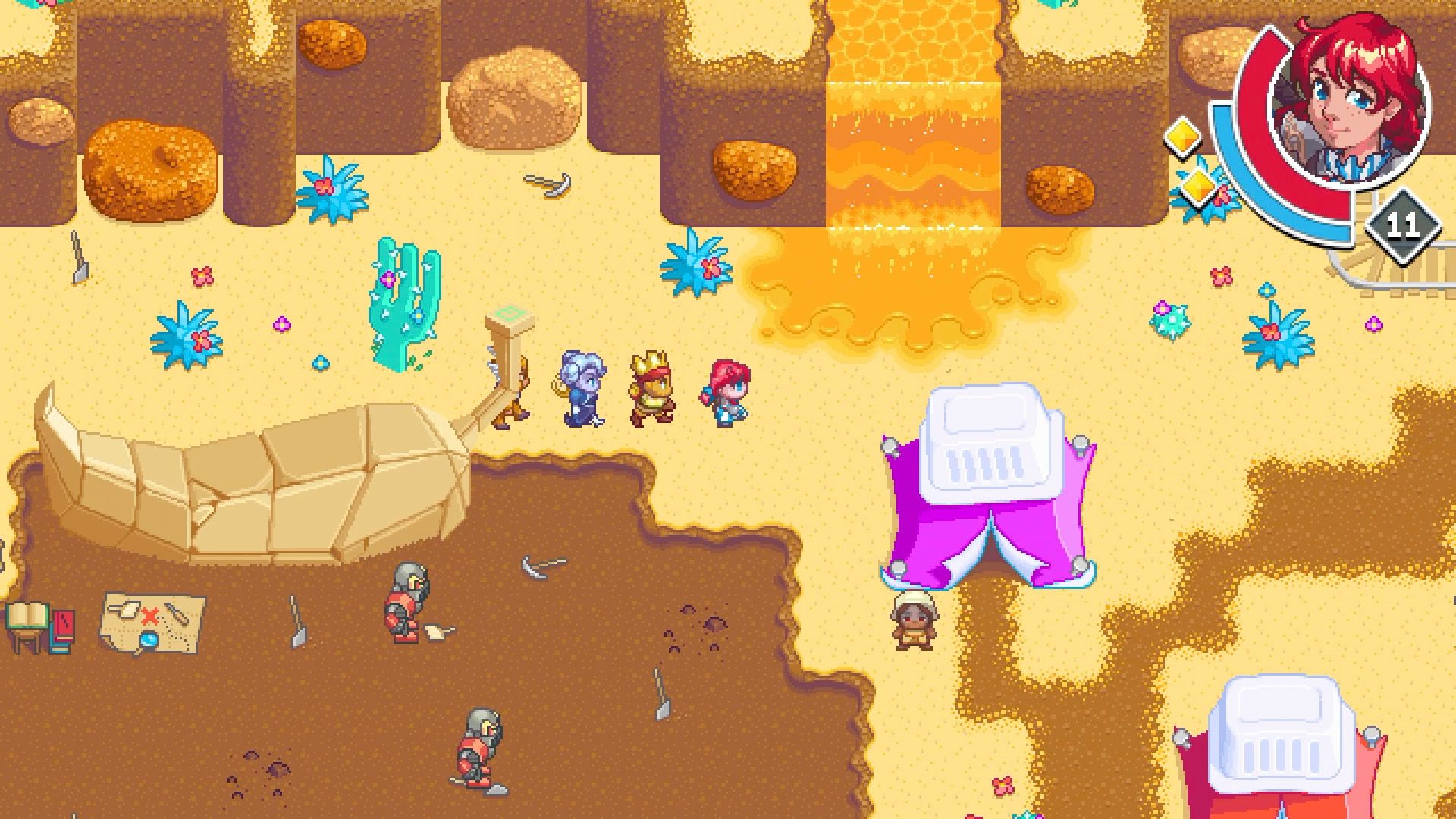
For several years, 81Monkeys has been developing World of Anterra, an ambitious pixel-art RPG built around intricate systems. Although its 2022 Kickstarter campaign succeeded, the game grew in scope and the studio’s remaining funds began to dwindle.
Finding additional investment proved difficult. Cotichini described the situation as “dire” and said he had approached 60 potential funding partners after the Kickstarter without success. Then a message arrived through the studio’s website.
“Normally, I would have ignored the email, but because he said they’re fans of the game, I was like, ‘Oh, I’ll hear them out.’ So I get on a call and I find out it was Wendy’s. And when I found out what the game was, I instantly knew we were the right team,” Cotichini said.
Within a week, 81Monkeys had signed on to make WendyQuest. The agreement gave the studio room to keep developing World of Anterra, with its team divided evenly between the two projects.
Wendy’s arrived with a broad concept and creative vision, but 81Monkeys had to turn that idea into a functioning game. The developers moved away from a purely turn-based battle system in favor of a more active approach, reflecting their belief that nostalgia needs a contemporary touch to avoid feeling dated.
The script also needed work. Cotichini said the original had strong ideas, but writing for a game requires more than telling a story: It must also make the world feel inhabited.
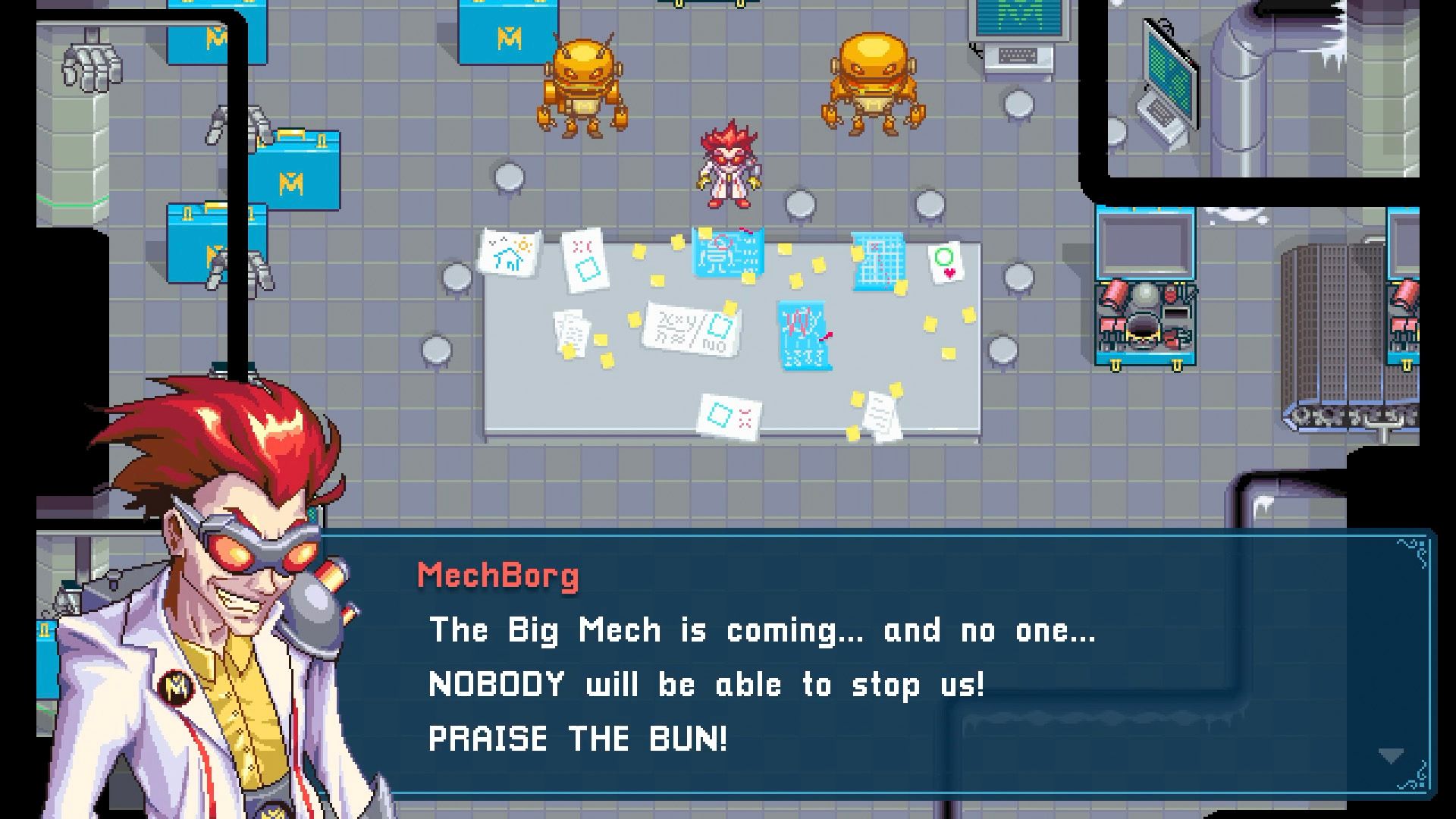
According to Cotichini, 81Monkeys’ writers ultimately rewrote “99%” of the script. Wendy’s still reviewed the material for brand safety, though some jabs at its competitors made it through. The villain, Dr. MechBorg, sports a giant golden “M” as his logo and delivers a speech about serving billions before ordering his army to “cut corners.”
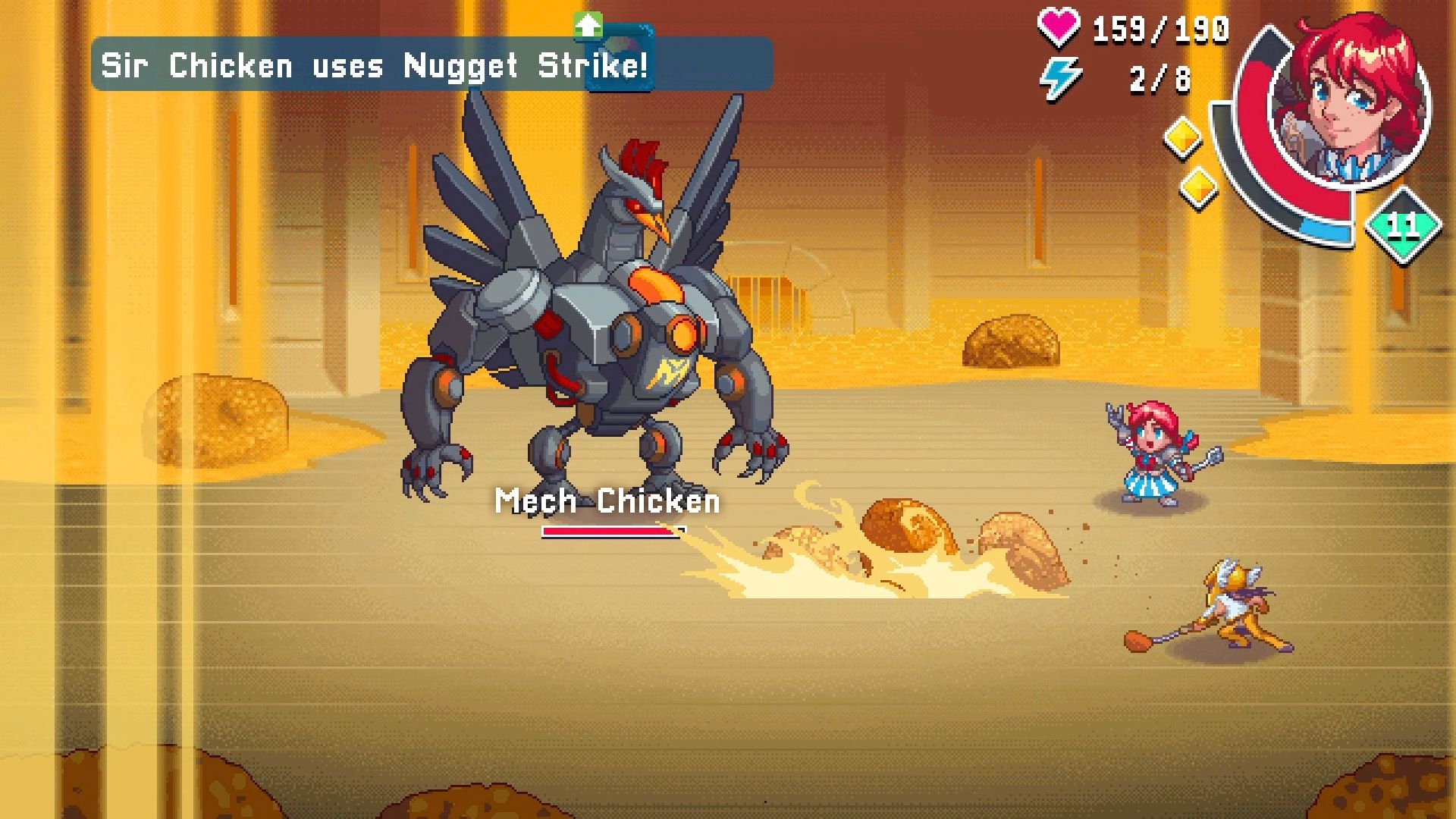
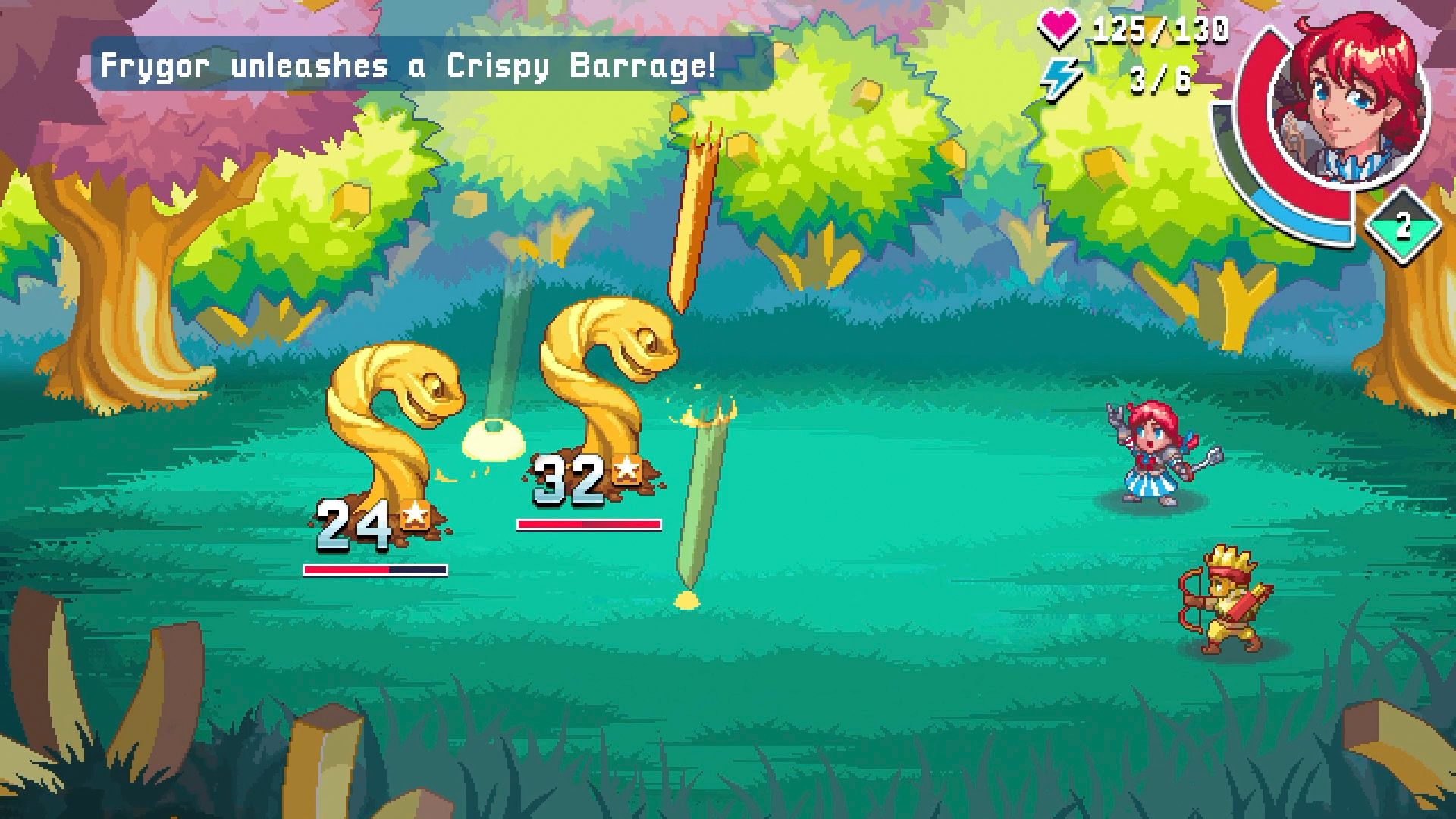
In a brief playthrough, WendyQuest proved to be more than a novelty. Its 16-bit-inspired presentation is appealing, but its combat gives it a character of its own. A gauge fills rapidly at the bottom of the screen, and players must time attacks as close to full as possible. Press too soon and an attack may miss or deal less damage; get the timing right and it hits for maximum damage.
The game is funny, too, packing in jokes at a pace reminiscent of Veep or 30 Rock. Cotichini’s assessment is hard to argue with: A Wendy’s game has no obvious reason to be this good.
At first, however, the studio was not supposed to receive public credit for its work.
“Initially, they weren’t gonna credit us,” Cotichini said. “I mean, that’s the nature of this type of agreement, right? We’re just a silent partner, we’ll make this game, and then they launch it.”
He pushed for that to change. Development began in late 2023, when generative AI was already gaining attention but had not yet become as prominent a force in the industry. Public unease about AI has grown, and gaming audiences have been especially vocal about AI-generated assets. Even a trailer using them can provoke backlash and prompt a company to apologize.
“You want people to know that it was 100% human-made by an actual indie studio,” Cotichini said.
That principle appears prominently on the Steam pages for both WendyQuest and World of Anterra, where each is described as “100% human made.”
Cotichini believes the time and effort invested in World of Anterra are essential to its quality. In his view, accelerating development with AI can reduce opportunities to refine a game and ultimately make it worse.
Earlier in the project, 81Monkeys experimented with AI for project management and efficiency. The studio found that the tools increased costs and reduced productivity, Cotichini said. They also appeared to address problems the team could solve through existing methods. When he suggested using AI to speed up the creation of non-player characters, his colleagues proposed writing a conventional script instead.
For WendyQuest, Cotichini said, Wendy’s marketing team actively encouraged the developers to avoid AI tools and workflows.
WendyQuest may not have the depth of a major, big-budget RPG, but its design has personality and a sense of care. The same quality helped Songs to Listen to in a Wendy’s Parking Lot connect with former scene kids: These were real songs made by artists they had listened to years earlier.
At a time when McDonald’s has used AI in advertising and explored algorithmic pricing, Wendy’s decision to invest in creative projects stands out.
“I think that creative work in general has gotten watered down over the last couple decades,” Cotichini said. “And the reason is because it became more influenced and controlled by business interest and less by the creative. Now, I actually see a swing the other way.”
That may sound contradictory coming from someone making a game for a major corporation. But a Wendy’s logo does not automatically make the project less worthwhile than one bearing the name of an established gaming company. The arrangement is plainly promotional and transactional, yet it also kept an independent studio working during a prolonged funding drought.
The question is how a company chooses to spend its marketing budget: on another month of preroll ads, or on supporting a studio as it makes something people might genuinely enjoy.
Cotichini hopes WendyQuest will encourage other brands to consider similar partnerships. If companies see that a studio given the resources and freedom to care about a branded game can make something worthwhile, he believes those deals could become an alternative source of funding for talented independent developers.
Source: Polygon
Related articles
 ARC Raiders Sales Figures Reported as Game Continues to Gain Popularity a Year After Release
 Photos of GTA VI Box Surface Online, Showing Reference to First Trailer Inside
 Rockstar Is Selling a Real-Life Car From GTA VI
 The X-Files Offers a 218-Episode Sci-Fi Alternative to Lanterns
 Developers of PvPvE Game Fragmentary Order Reveal System Requirements and First Alpha Test Details
 Fans Think They’ve Figured Out What PHYSINT, the Title of Hideo Kojima’s New Game, Means
 West Coast Customs of Pimp My Ride Recreates GTA VI Cars in Real Life
 VisionQuest Post-Credits Scene Explained: What It Means for Ultron and Jocasta