20 Years Ago, Nintendo’s Oddly Named Console Proved Its Biggest Doubters Wrong
Nintendo remains a major force in gaming, with the Switch 2 carrying its legacy forward, but its history has not been without setbacks. After thriving through the 8-bit and 16-bit generations, the company lost ground with the Nintendo 64 to Sony’s PlayStation, a console born partly from an abandoned partnership with Nintendo. The technically impressive GameCube faced even fiercer competition, and Nintendo’s shrinking share of the market made it clear that a new approach was needed.
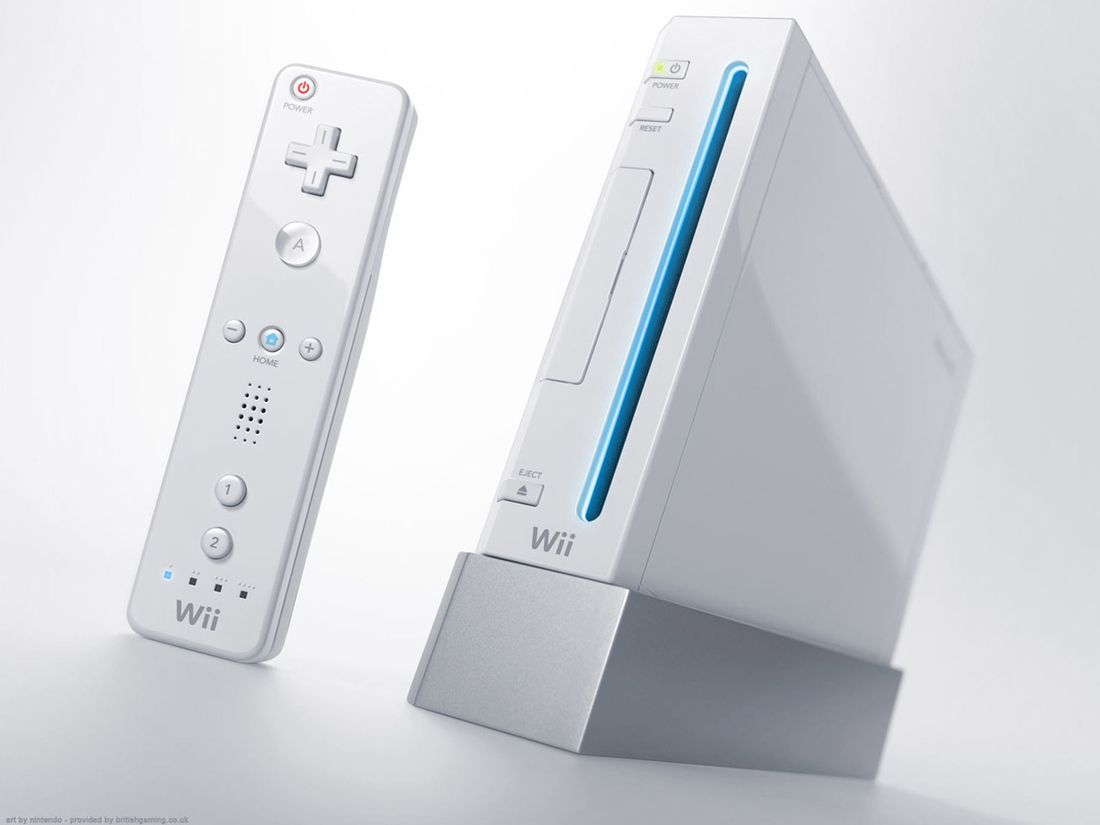
That approach arrived in the form of the Wii. A compact white console with remote-like controllers and detachable accessories, it became the breakthrough Nintendo needed. Getting there, however, meant overcoming a few obstacles, starting with its unusual name.
When Nintendo first discussed its next console, it called the project “Revolution.” The codename suggested a bold future, and in many ways the finished system delivered one. At the time, though, I imagined sleek, perhaps silver hardware, something closer to Sony’s early PlayStation 3 concepts. Remember the boomerang-shaped controller? That was more like what I expected. Instead, the Wii landed somewhere closer to the banana patent.
By the time preorders opened, Nintendo had settled on the console’s decidedly simpler name. I learned online that anyone hoping to reserve one could queue at a local store, and I was determined to be among them. The catch was that preorders began at 10 a.m. on a weekday, when children were at school and most adults were at work.
I was working by then and had not received enough notice to book the day off. Fortunately, my boss was understanding. He agreed that the rest of the service department could handle customer inquiries while I braved the cold outside the recently opened EBGames store in town.
On the day, I joined a shivering line of Nintendo fans, some my age and others older. A few Sony Bend employees were there, too, just as eager as the rest of us to secure Nintendo’s next console. I felt a little foolish standing there, but not nearly as foolish as I would have felt missing out. I arrived just in time to become one of the last people allowed to put my name on the preorder sheet. Most of those behind me were turned away.
When I finally reached work, my boss asked whether I had succeeded. I assured him I had. My coworkers, meanwhile, wasted no time teasing me for missing work to reserve something with such a ridiculous name. In fairness, we worked at a computer store; they probably would have mocked my choice of console regardless.
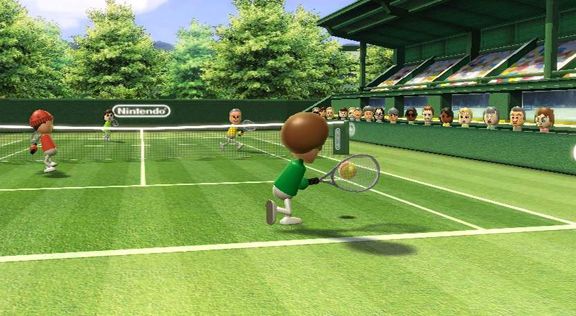
Someone at Nintendo of America must have anticipated the jokes, although the marketing team may not have had much say in the matter. Reggie Fils-Aimé, then the company’s North American president and CEO, did insist on bundling Wii Sports with the console, a decision that proved far more important than any awkwardness over its name. I still wonder how much influence he had over the now-iconic commercials in which two Japanese men arrived at people’s doors and announced, “Wii would like to play.”
Even now, “Wii” sounds a little silly to me. In Nintendo’s naming history, perhaps only its successor surpasses it: Wii U sounds rather like an ambulance siren.
The name practically invited puns, and one promotion built around it ended in tragedy. While the console was still difficult to find, a Sacramento radio station held a contest in which participants drank large amounts of water while trying to “hold their Wii.” One participant, Jennifer Strange, later died of water intoxication. It was a devastating reminder that consuming too much water in a short time can be fatal.
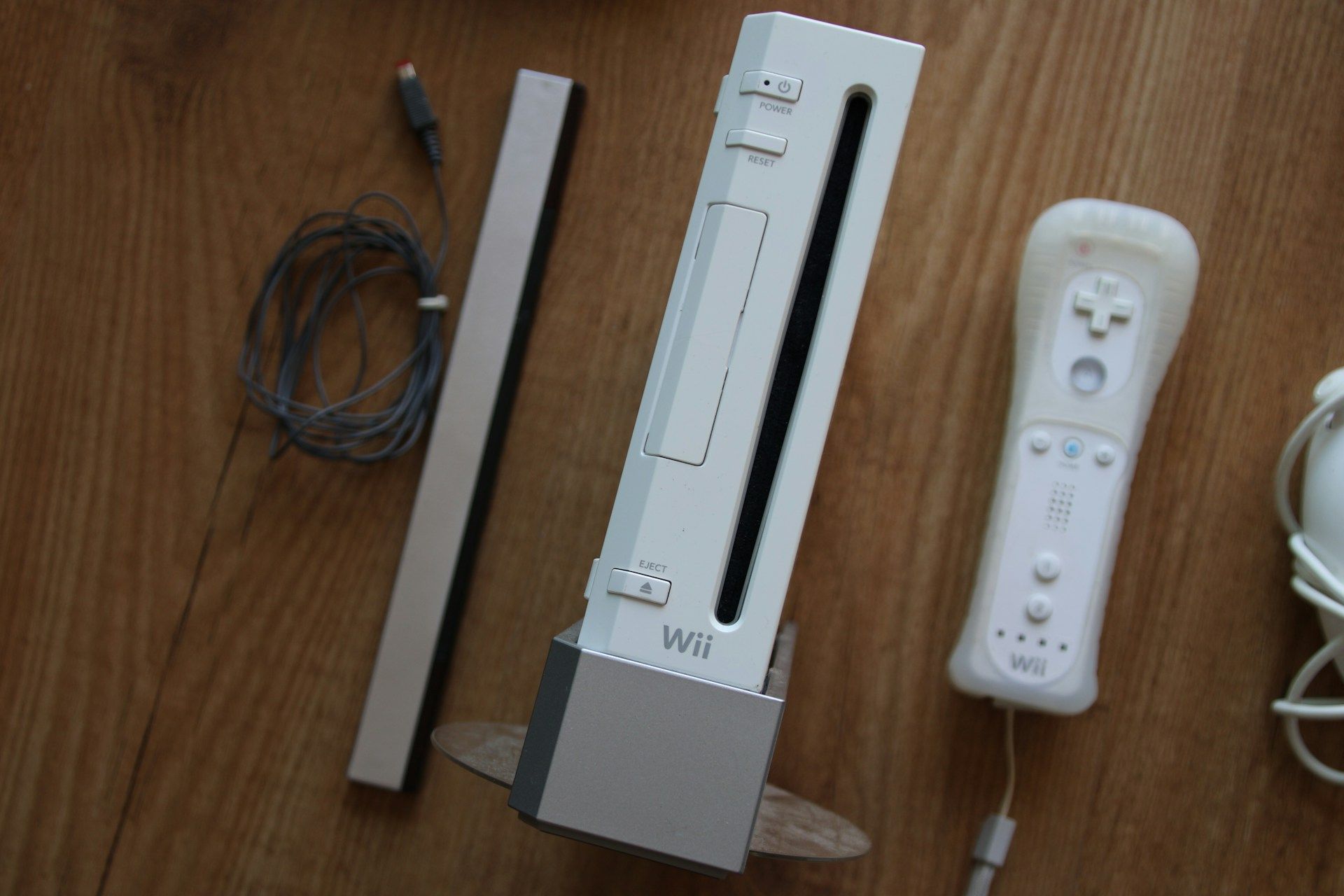
Today, the Wii is remembered less for its name than for the games and experiences it made possible. Its success also changed the wider industry. Sony and Microsoft eventually pursued motion controls of their own with PlayStation Move and Kinect, hoping to reach the broader audience Nintendo had demonstrated existed: the “blue ocean” beyond the traditional console market.
People using the Wii for exercise in nursing homes and elementary schools were not concerned about what it was called; they were having fun. Children who found one under the Christmas tree did not need to worry about an older sibling’s friends mocking their choice. They were too busy exploring Super Mario Galaxy.
Video game consoles have never been strangers to peculiar names, and Nintendo has contributed its share. “Wii” was silly then, and it remains silly now. But the console is still celebrated for what it achieved. Sometimes, a silly name works.
Source: Polygon
Related articles
 Jensen Huang’s Departure Divides NVIDIA as Key Engineer Leaves Company
 Sony Can’t Fix PlayStation Store as Players Find Multiple Issues
 Microsoft Wants Games to Remain Playable 30 Years From Now as Xbox Project Helix Plans Emerge
 Advanced Technology Discovered in Nintendo Switch 2
 Digital Foundry Explains Why GTA VI Will Run at 30 FPS Even on PS5 Pro
 Xbox Trails Even Steam Deck as Developer Interest in Microsoft Consoles Declines
 Street Fighter EX Developer Dies
 Crystal Dynamics Reveals New Tomb Raider Details: Lara Croft Faces Unfamiliar Territory