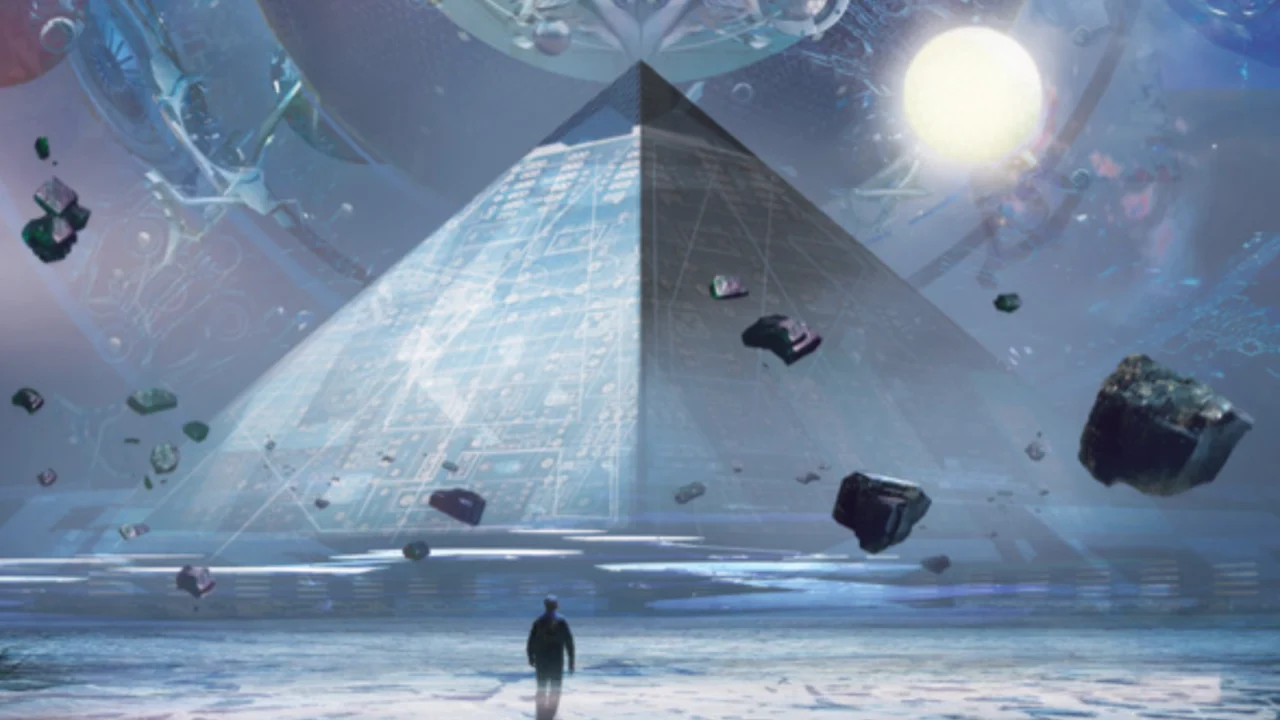
10 Sci-Fi Books to Read at Least Once
Science fiction can travel to distant planets or imagine the dangers of technology close to home. Its invented worlds also give writers room to explore identity, politics, and what it means to be human.
Books such as Dune and 1984 helped shape the genre, but its essential reading extends well beyond those landmarks. These 10 works include a short-story collection, psychological mysteries, and stories about the rise and fall of civilizations.
10. Beyond the Curve (1991) by Kōbō Abe
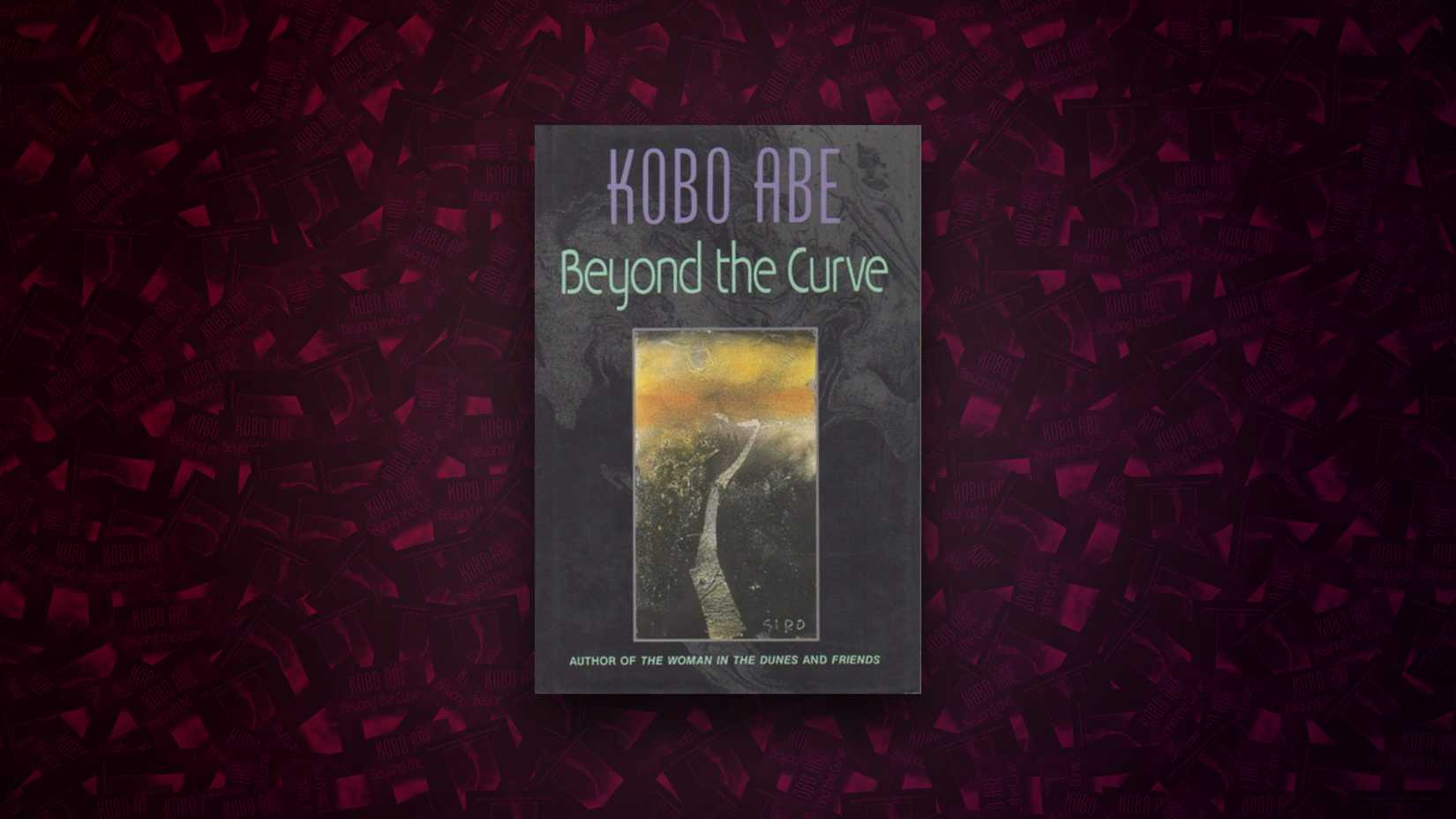
Kōbō Abe’s Beyond the Curve collects 12 short stories written between 1949 and 1966. The tales often feel like fever dreams. In “Dendrocacalia,” a bewildered man begins to turn into a plant. In “The Crime of S. Karma,” a person discovers that his name has abandoned him.
Abe treats these surreal events matter-of-factly, blending science fiction, dark comedy, and existential horror to explore fragile identities and the absurdities of modern life. He may be better known for The Woman in the Dunes and his other novels, but his shorter fiction is also rewarding for readers drawn to the genre’s stranger edges.
9. The Invention of Morel (1940) by Adolfo Bioy Casares
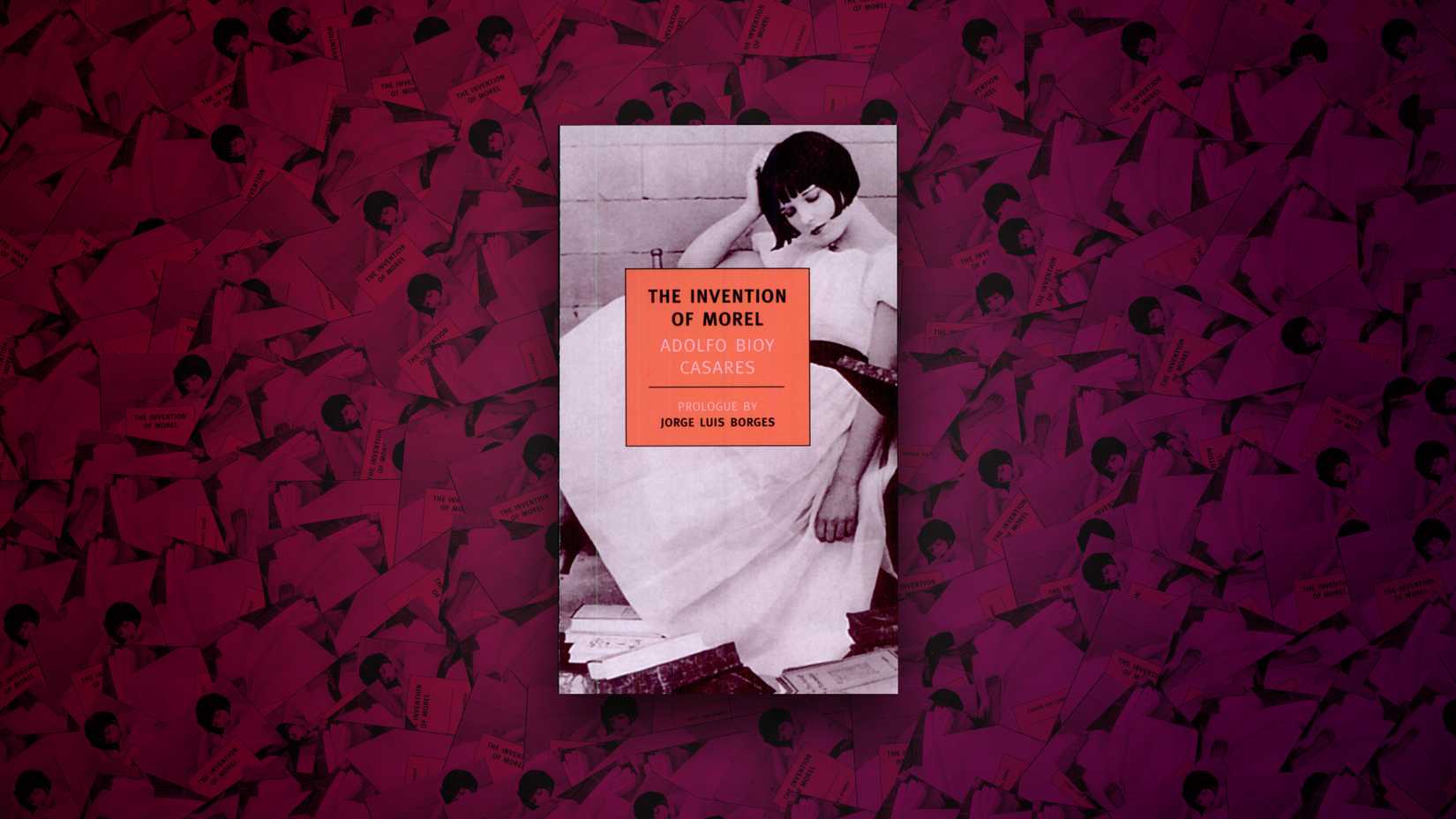
In Adolfo Bioy Casares’ novella, a desperate fugitive reaches an island he believes is abandoned. Instead, he finds a mysterious group of tourists caught in loops, like the Hosts of Westworld. Their strange behavior leads him toward a technological discovery with disturbing implications for memory and mortality.
Published in 1940, The Invention of Morel predates modern virtual reality and explores the desire to preserve experiences and lost affection. Its compact setting gives its speculative ideas an intimate emotional force.
8. Snow Crash (1992) by Neal Stephenson
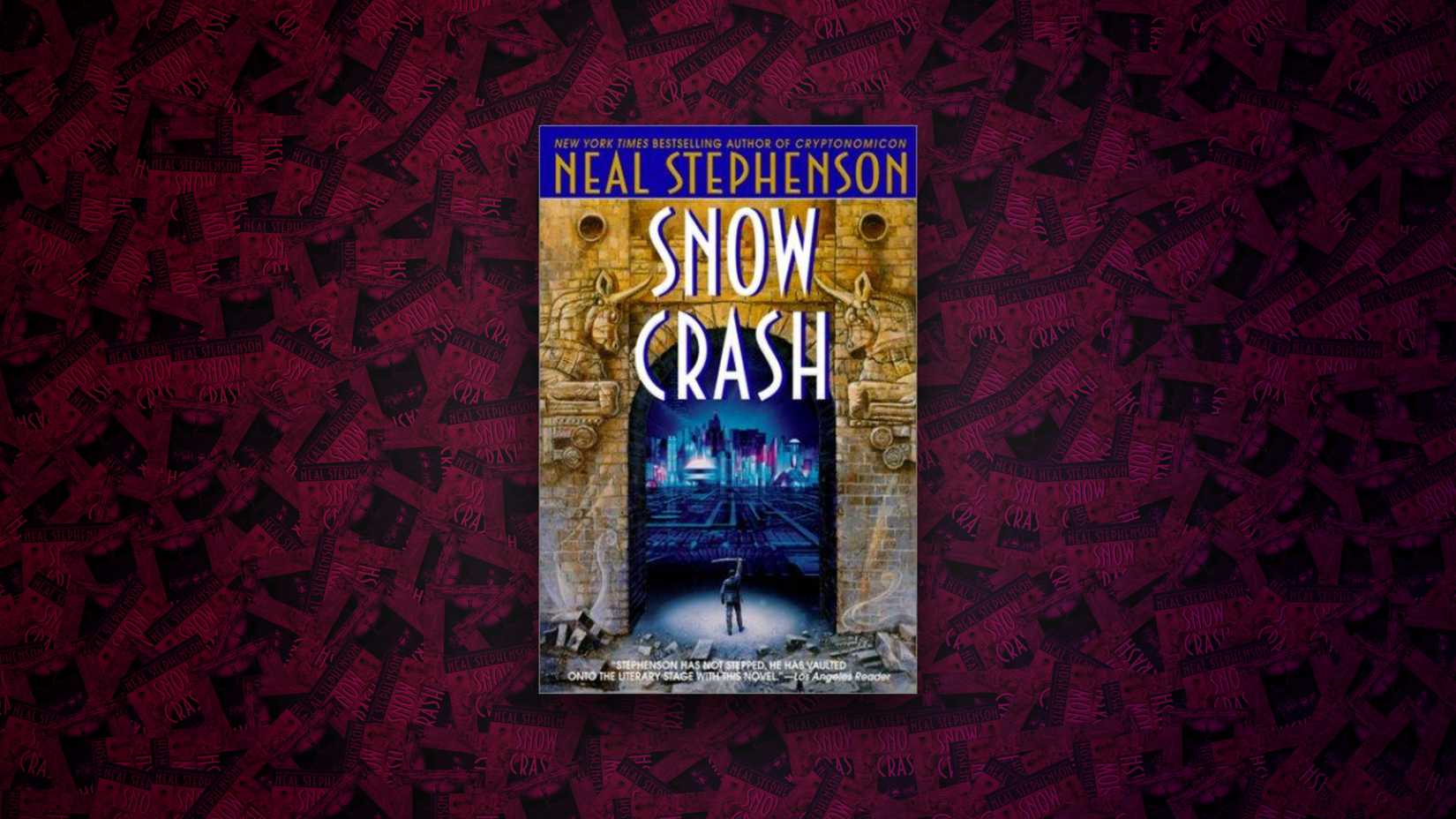
Neal Stephenson’s Snow Crash follows Hiro Protagonist, a hacker and pizza-delivery driver drawn into a conspiracy involving a mysterious digital drug, ancient Sumerian mythology, and the relationship between language and the human brain.
The novel helped popularize the term “metaverse” and remains a foundational cyberpunk work. Its corporate-run enclaves, privatized infrastructure, and fragmented society may feel familiar to fans of Cyberpunk 2077 and Blade Runner.
7. We (1921) by Yevgeny Zamyatin
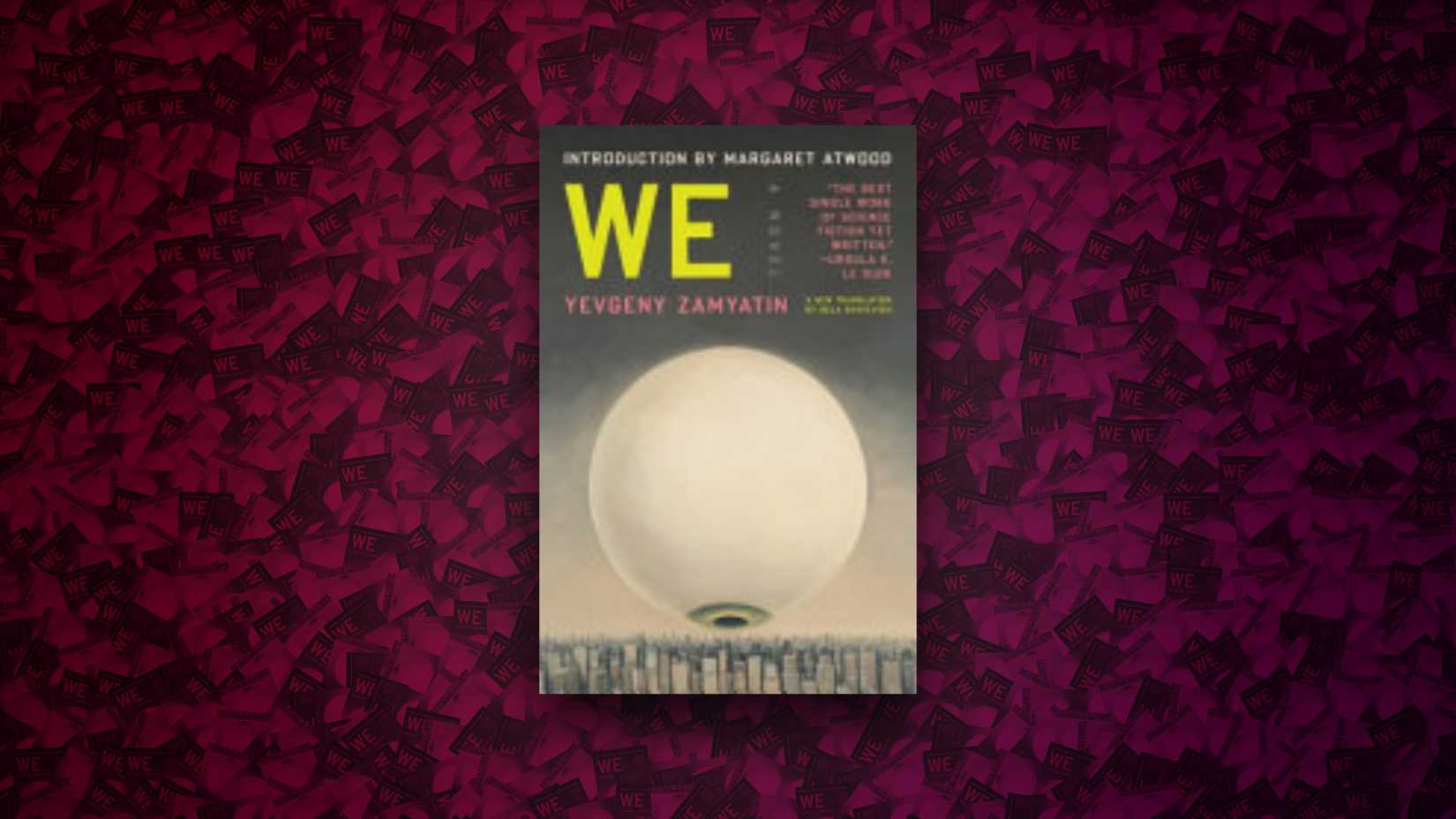
Yevgeny Zamyatin’s We helped establish the modern dystopian novel before 1984 and Brave New World. Its protagonist, D-503, lives in the One State, a society governed by mathematical precision. Citizens surrender their individuality, follow regulated routines, and live behind glass walls that offer little privacy.
Written in 1921 in the aftermath of the Russian Revolution, the novel was banned by Soviet censors and published abroad. Its vision of an absurd yet rigorously ordered society remains a powerful work of political dissent.
6. Ubik (1969) by Philip K. Dick

Philip K. Dick’s Ubik opens in a hyper-capitalist 1992, where corporate espionage pits spy agencies against “inertials,” anti-psychics hired to block telepathic theft. Field technician Joe Chip and his employer, Glen Runciter, take a team of inertials to the Moon to secure a client’s facility. An explosive ambush throws the mission into chaos.
Dick uses the story to explore psychology and uncertainty, turning ordinary commercialism into something much more unsettling. Ubik connects mid-century speculative fiction with later cyberpunk and stories about simulated reality, including The Matrix, Dark City, and Satoshi Kon’s Paprika.
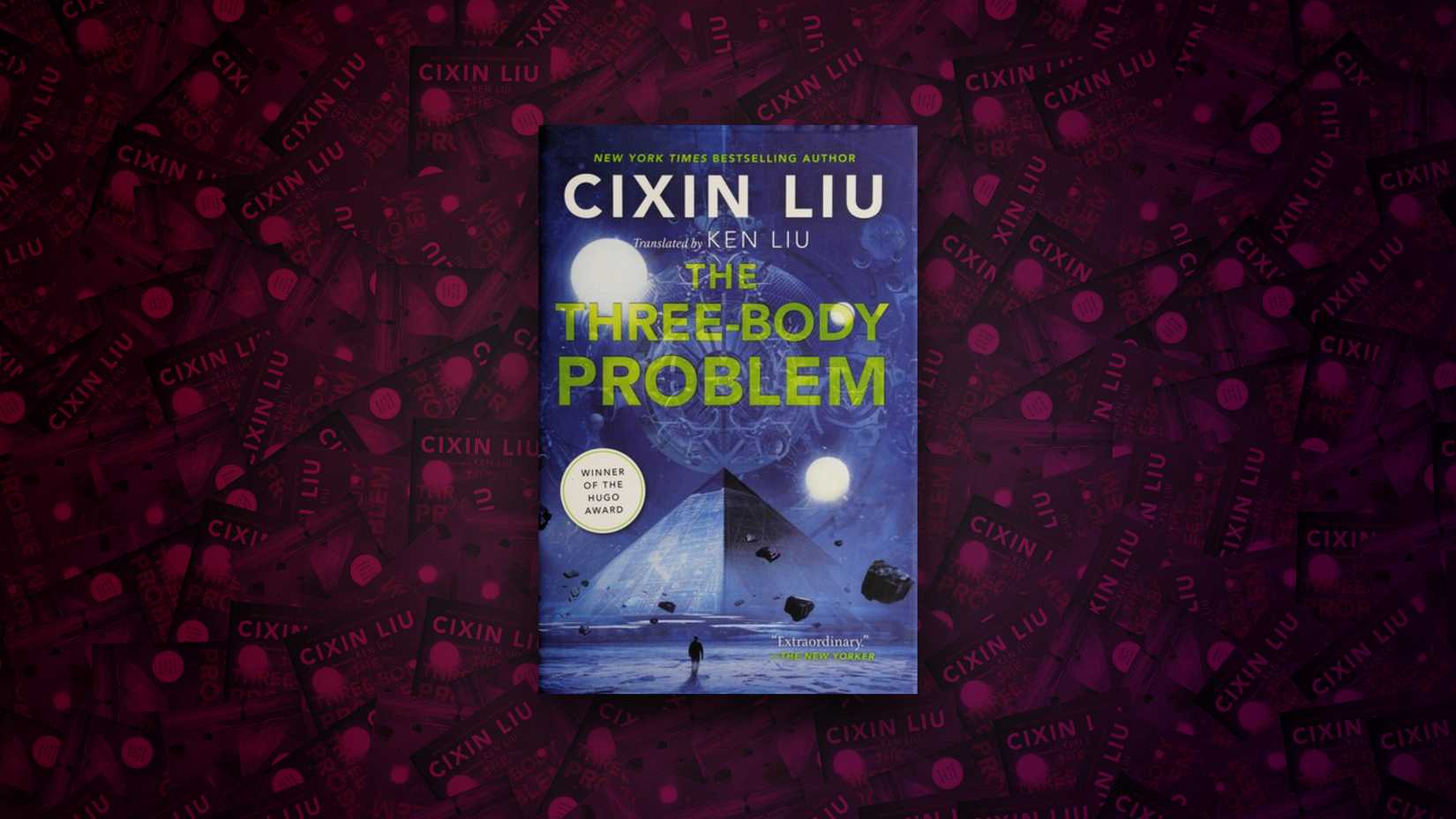
5. The Three-Body Problem (2008) by Liu Cixin
First-contact stories can inspire terror, as in H. G. Wells’ War of the Worlds, or wonder, as in Carl Sagan’s Contact. Liu Cixin’s The Three-Body Problem takes a colder view, asking where humanity might stand in a universe governed by rules it barely understands.
Beginning during China’s Cultural Revolution, the novel develops into a scientific mystery involving an alien civilization struggling to survive in an unpredictable planetary system. Liu gradually widens the story’s scale, making humanity one part of a much larger puzzle. The novel, part of a trilogy, helped bring Chinese science fiction to an international audience.
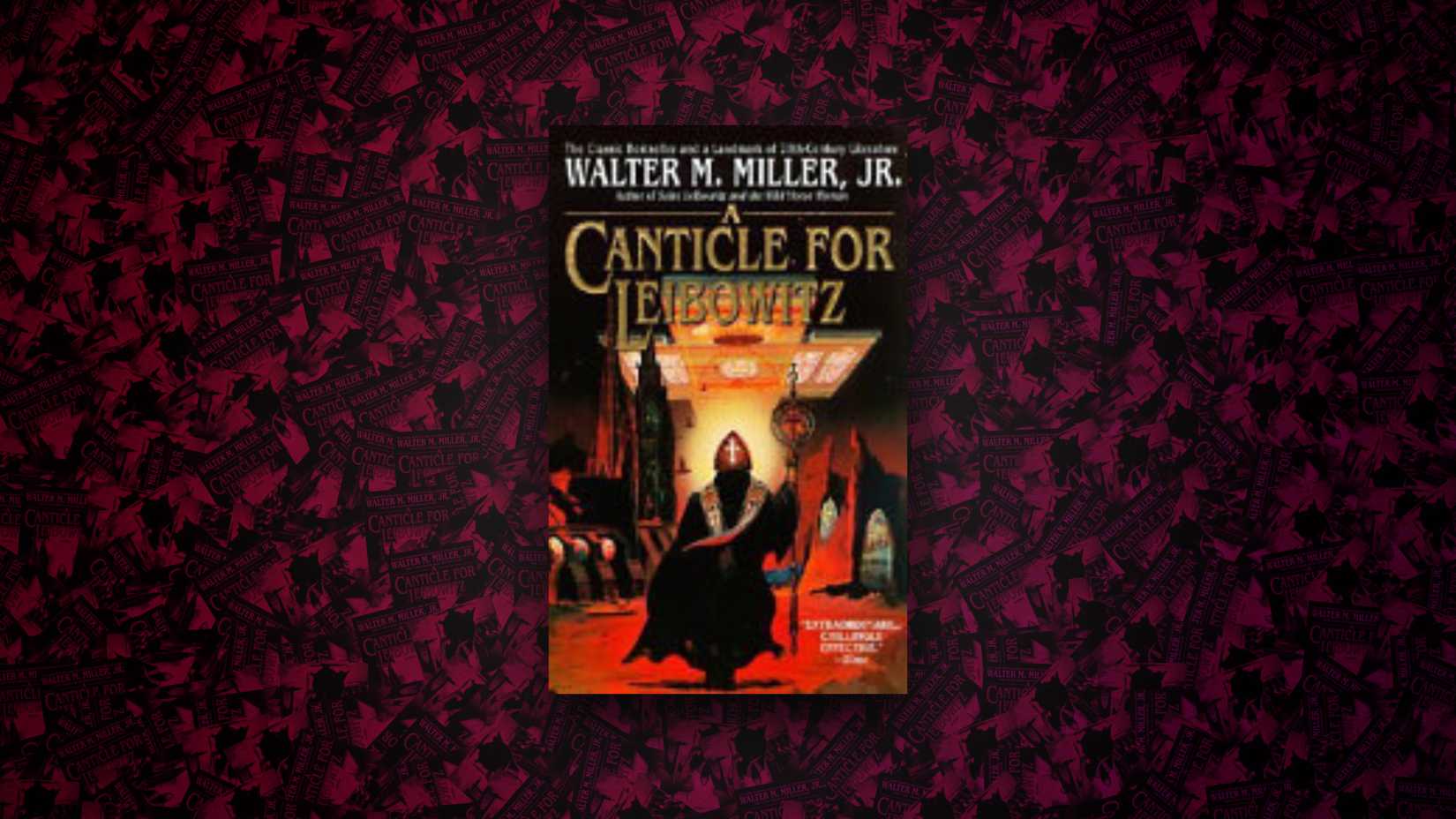
4. A Canticle for Leibowitz (1959) by Walter M. Miller Jr.
A Canticle for Leibowitz follows monks of the Albertian Order of Leibowitz in the deserts of the American Southwest. They preserve the “Memorabilia,” a collection of blueprint fragments, shopping lists, and technical manuals saved from an anti-intellectual backlash.
Across three eras separated by centuries, humanity emerges from a dark age of illiteracy and rediscovers electrical power and nuclear technology, only to approach catastrophe again. Walter M. Miller Jr., a former World War II bomber radioman haunted by the destruction of the Monte Cassino monastery, combines humor and speculative history in a warning about repeating the past.
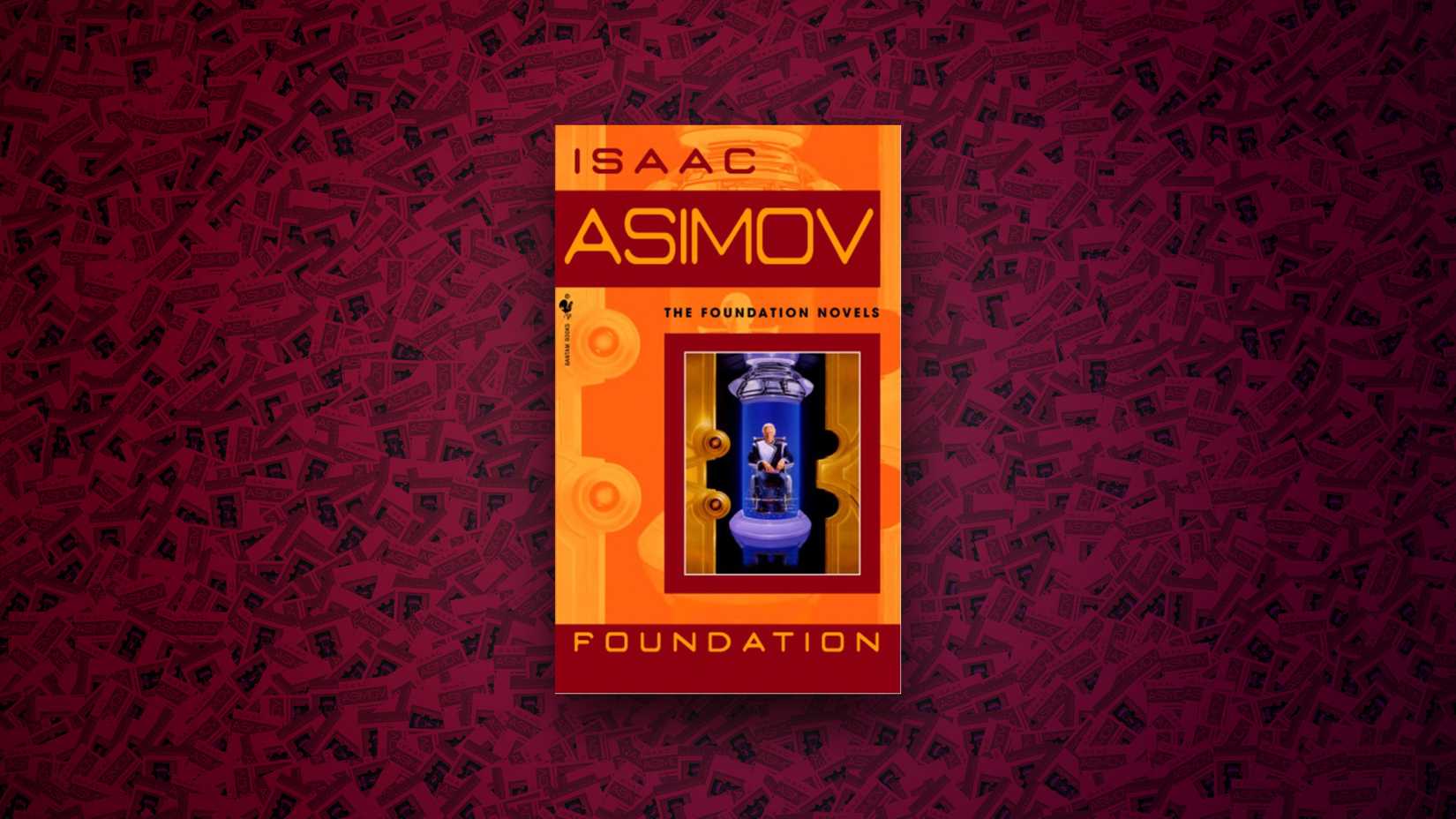
3. Foundation (1951) by Isaac Asimov
Isaac Asimov’s The Gods Themselves is also worthy of attention, but Foundation stands as an essential space opera. Like J.R.R. Tolkien’s The Silmarillion, it spans years of fictional history.
The story begins with Hari Seldon, a mathematician who develops a science called psychohistory. He believes he can shorten the dark age awaiting the Galactic Empire by preserving knowledge and guiding the future through a series of planned crises over centuries.
Asimov focuses less on individual heroes than on the rise and fall of civilizations. Politics, economics, and historical forces drive the drama, and his vision helped shape the scale of modern space opera. Characters come and go quickly, but the larger story remains gripping.

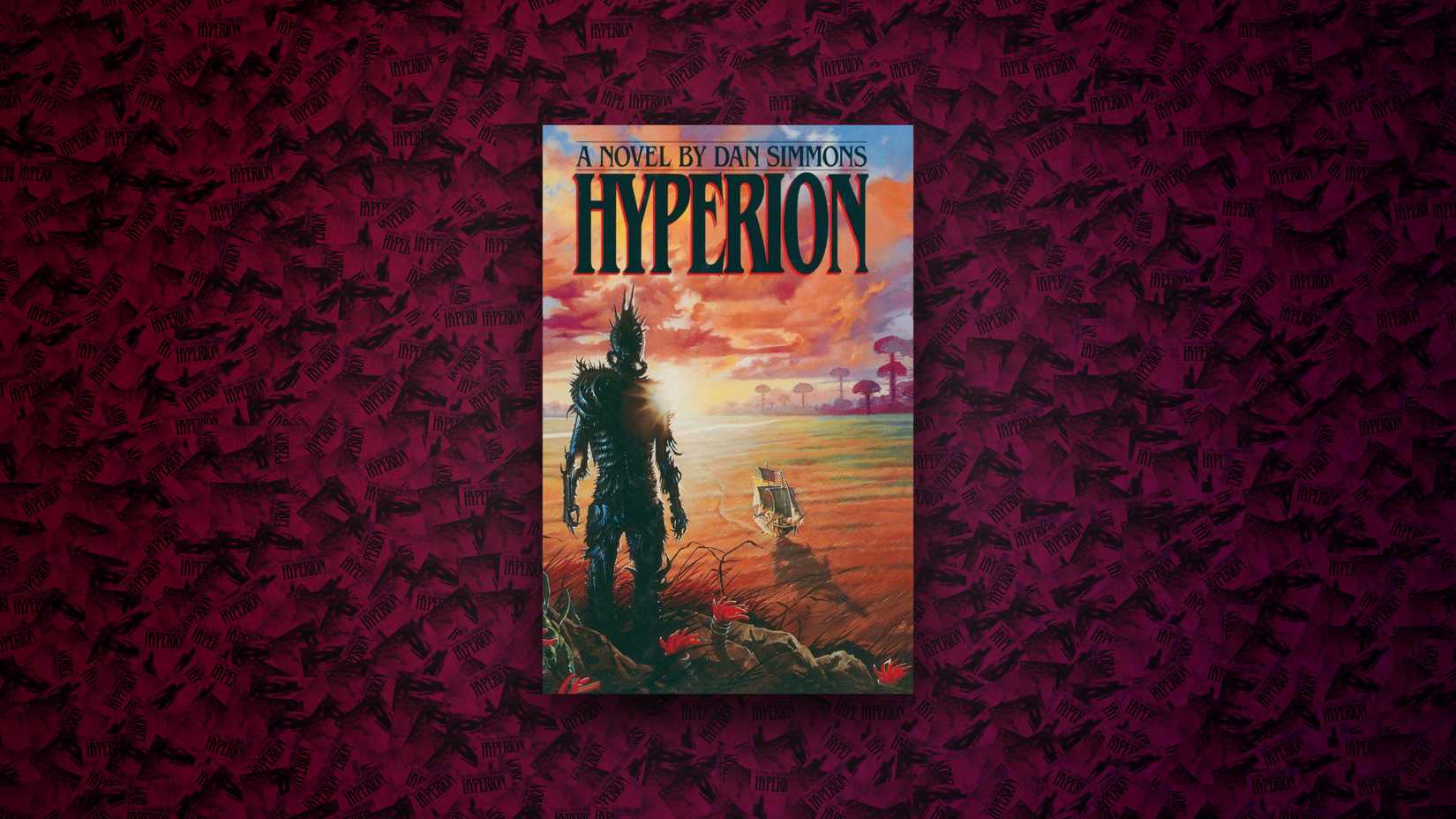
2. Hyperion (1989) by Dan Simmons
Dan Simmons structures Hyperion around seven pilgrims traveling toward the mysterious Time Tombs on a dying world. Drawing on The Canterbury Tales, the novel uses the pilgrims’ personal histories to move between different tones and subgenres.
The travelers include a tormented priest, a battle-hardened soldier, a grieving scholar whose daughter ages backward, a cynical poet, a detective, and a Templar. Their stories reveal different corners of Simmons’ imagined future and give the book a scope far beyond its central quest.
1. The Left Hand of Darkness (1969) by Ursula K. Le Guin
Ursula K. Le Guin sets The Left Hand of Darkness on the frozen world of Gethen. Genly Ai, a lone human envoy sent by an interstellar confederation, hopes to invite the planet’s nations into a peaceful alliance. His mission runs into court intrigue, xenophobic cold wars, and his own ingrained prejudices.
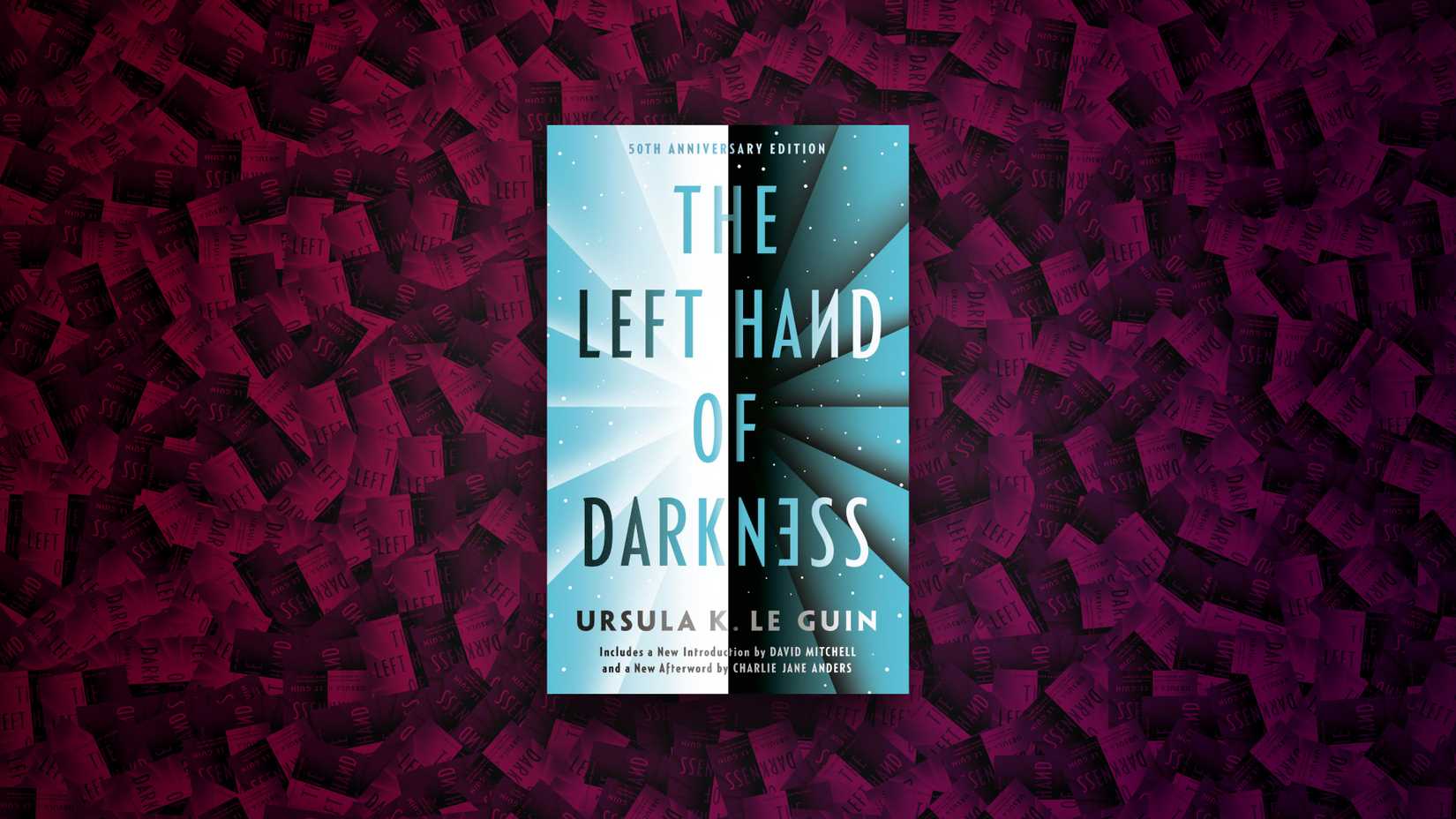
As Genly crosses the ice with Estraven, an exiled Gethenian statesman, their struggle for survival becomes a journey toward understanding across a profound cultural divide.
Le Guin’s novel asks what society might look like without rigid gender roles, innate male dominance, or gender-driven warfare. It also considers patriotism and nationalism, human connection and isolation, and the difficulty of loving someone whose worldview differs from one’s own.
Source: Polygon
Related articles
 Free Rob Run Draws Over 500,000 Players on Steam as Fans Await GTA VI Online
 Intel Accused of Concealing Crisis as Shareholders Sue Company Chief
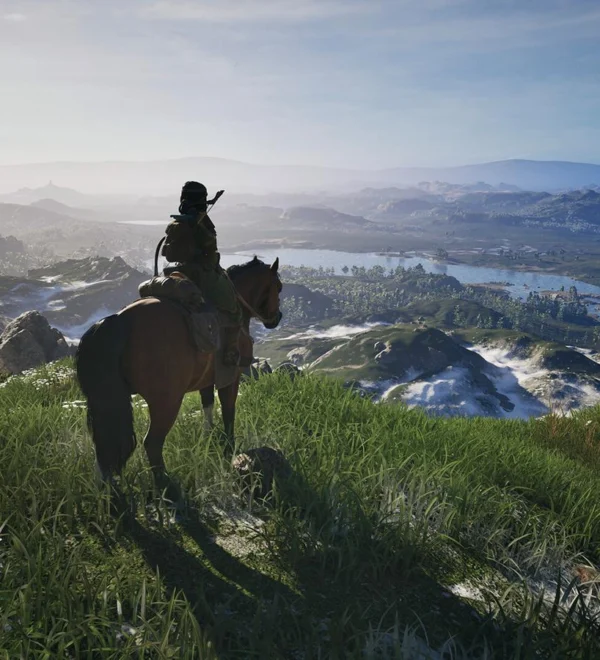 Medieval Sim The Legend of Khiimori Gets Major Update, Console Release in the Works
 8 Cowboy-Themed Comics From The Far Side
 Modern 9-Billion-Parameter AI Model Runs on PS4 Without a PC or Linux
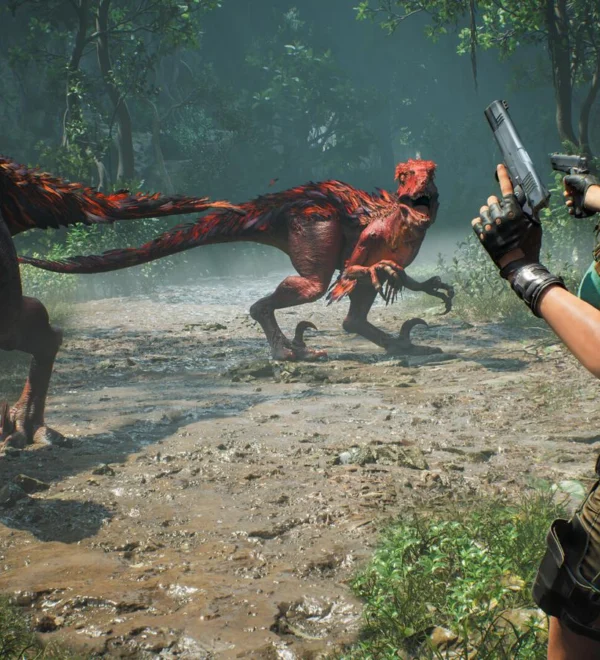 Tomb Raider: Legacy of Atlantis System Requirements Rise Sharply Ahead of Release
 Steam to Show Estimated In-Game FPS as Valve Collects Player Data
 Gran Turismo 5 Runs on PC Without an Emulator