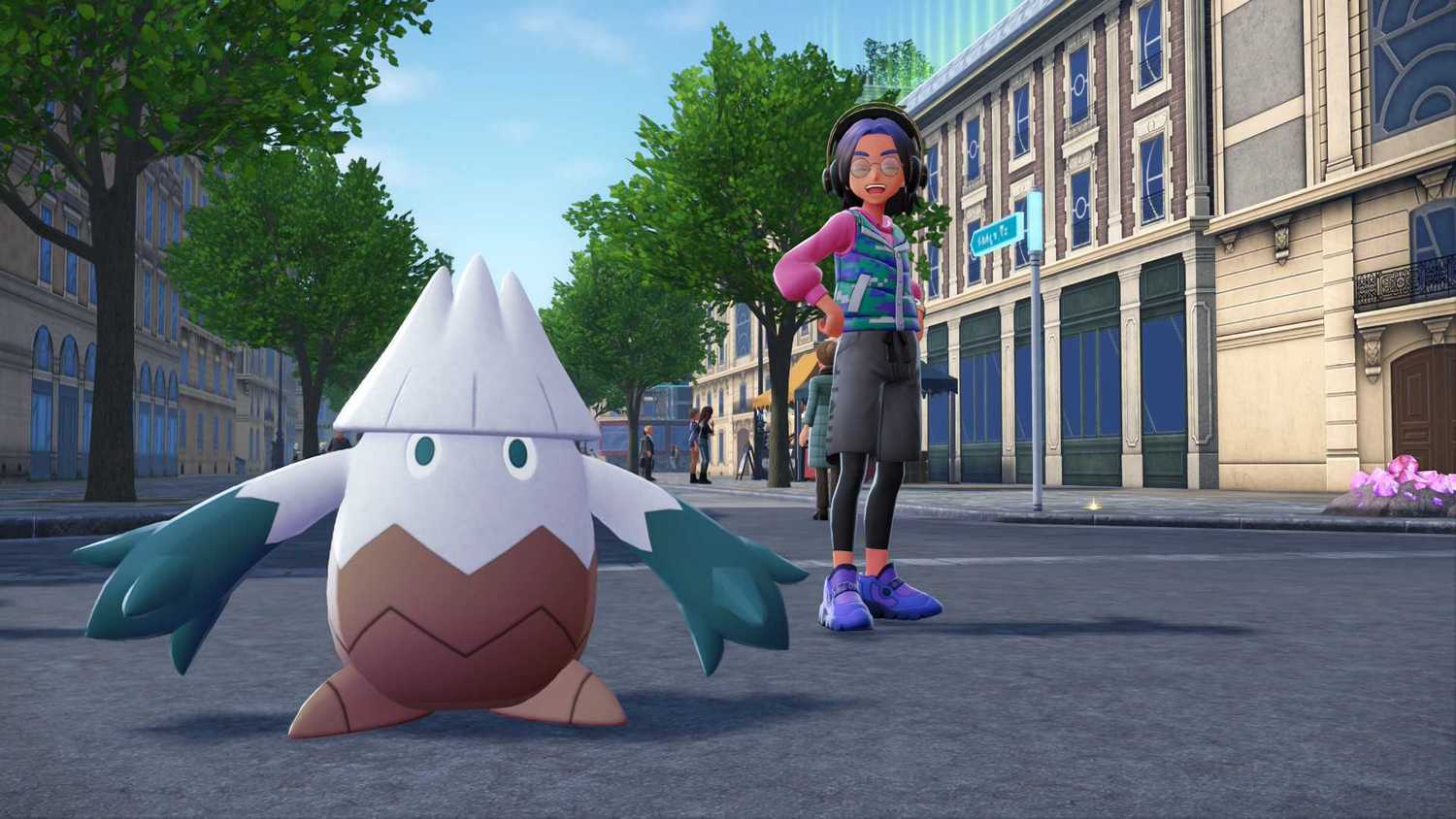
I can’t remember exactly when it started, but every trainer I create gets the same name: Glitch.
Whether I’m diving into a mainline release or a spin-off like Pokkén Tournament DX or Pokémon Go, my avatar is always Glitch — sometimes male, sometimes female, sometimes sporting black hair, sometimes purple. Their outfits swing from impeccably styled looks in Pokémon Legends: Z-A to the uniformed ensembles of Pokémon Scarlet and Violet. The details shift, but the name doesn’t.
Over the years Pokémon has evolved in many ways, some cosmetic and some substantive, yet its essence remains unchanged. Game Freak discovered a remarkably resilient gameplay template decades ago and, while recent entries have pushed the series in new directions, the heart of it — capturing adorable creatures and pitting them against one another — is fundamentally the same. Titles like Pokémon Legends: Arceus took bold steps with setting and tone; Pokémon Legends: Z-A follows that spirit of experimentation while still feeling unmistakably Pokémon.

Like Arceus before it — which de-emphasized gyms in favor of a Pokédex-driven experience — Pokémon Legends: Z-A rearranges the familiar formula. The game is contained within a single metropolitan area: Lumiose City, the Paris-inspired hub from X and Y. Instead of trekking across a region, you explore an urban environment where Pokémon and people coexist in everyday spaces.
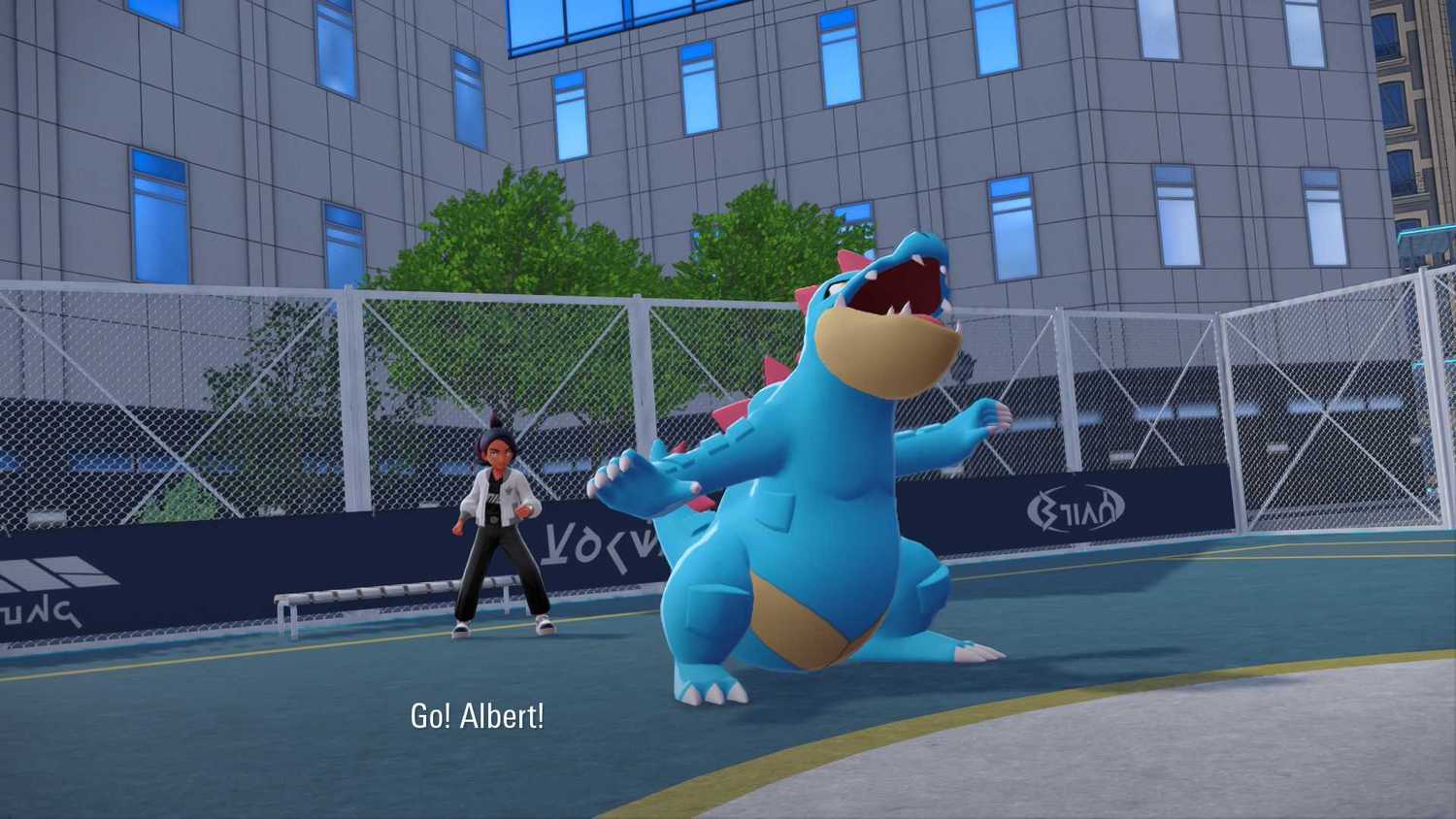
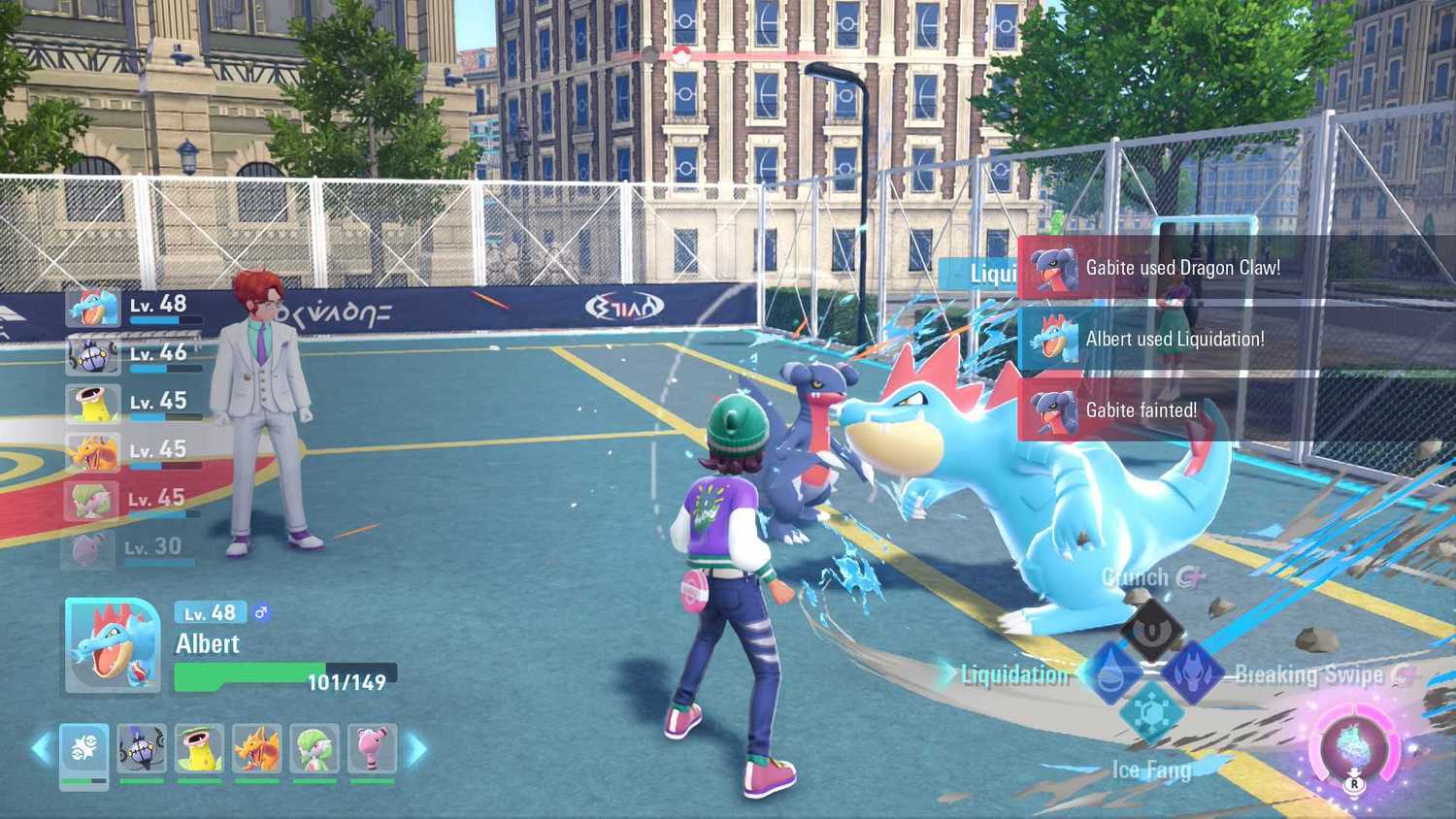
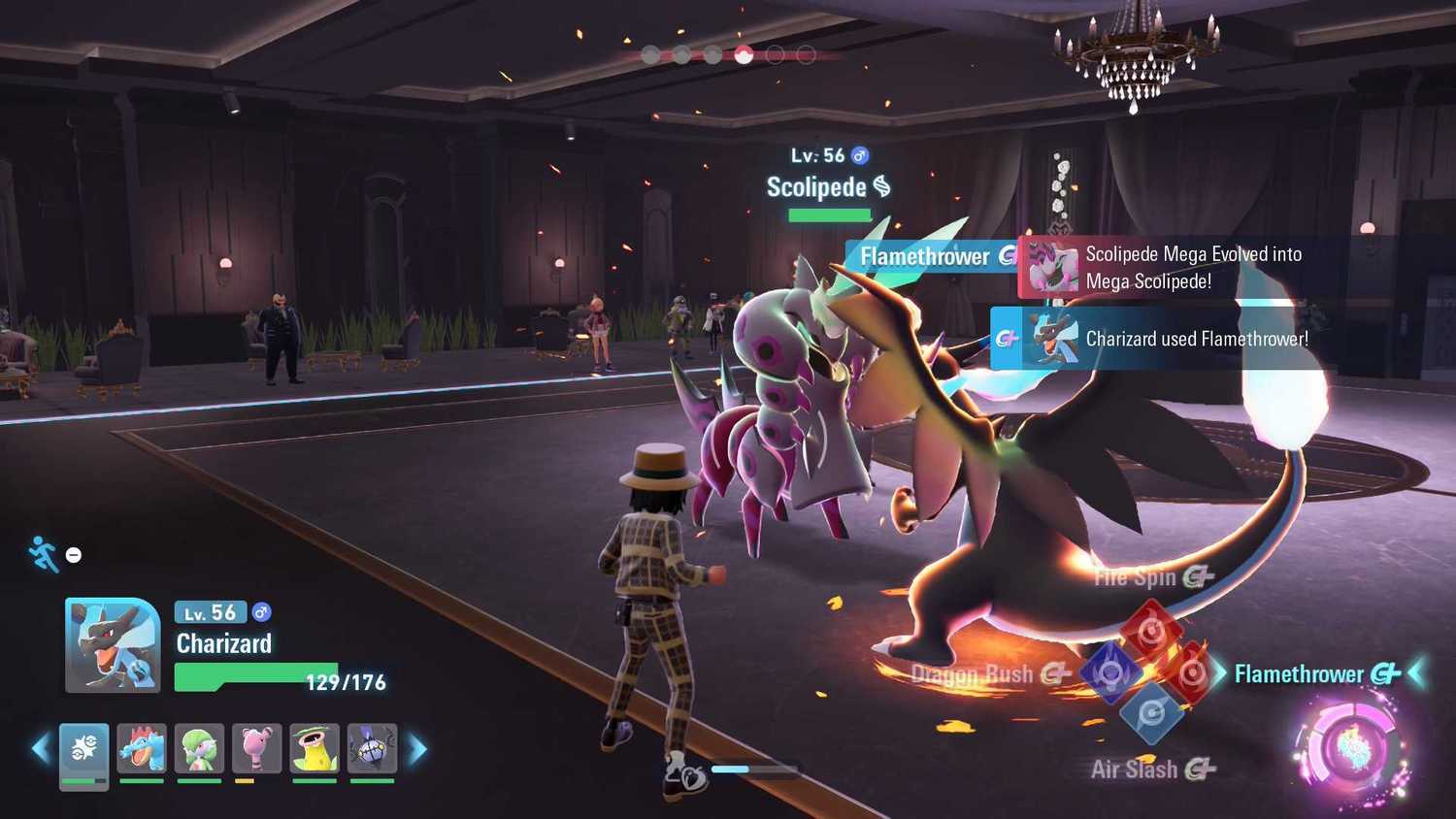
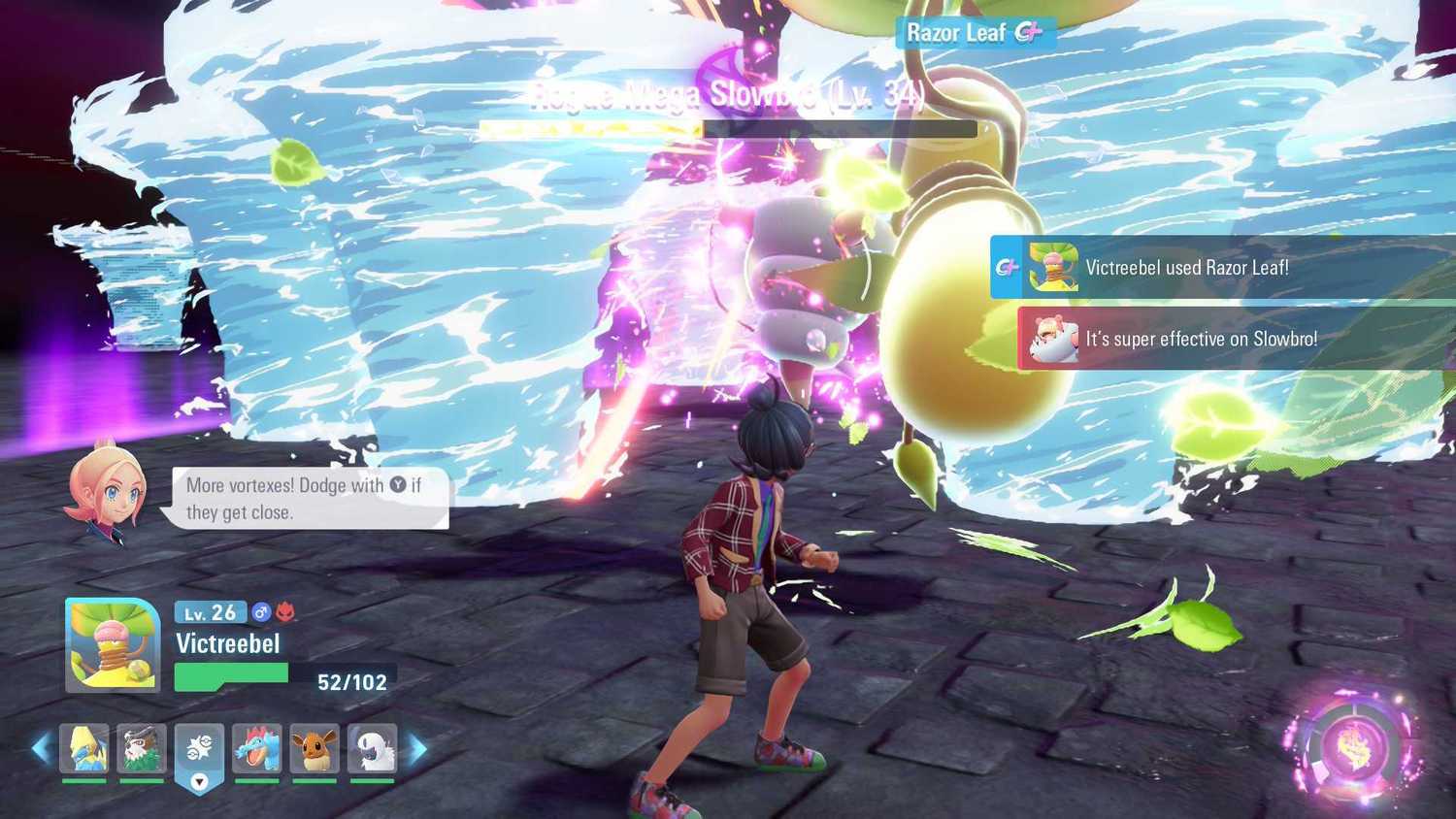
The most dramatic departure is the shift to real-time combat. Z-A abandons the patient cadence of turn-based encounters for a frenetic system that demands split-second decisions. Moves use cooldowns and battles often devolve into simultaneous clashes, which keeps fights lively but means the tactical patience of a traditional duel is occasionally sacrificed for immediacy. Even after dozens of hours I find there’s more to learn about leveraging move synergies and positioning — your Pokémon move autonomously to attack or to occupy strategic spots — and those subtleties reveal themselves slowly.
Upon arriving in Lumiose City, whatever itinerary you had as a tourist is scrapped: Taunie (or Urbain, depending on your chosen avatar) recruits you into her cadre and hands you a starter Pokémon before sending you into the Z-A Royale.
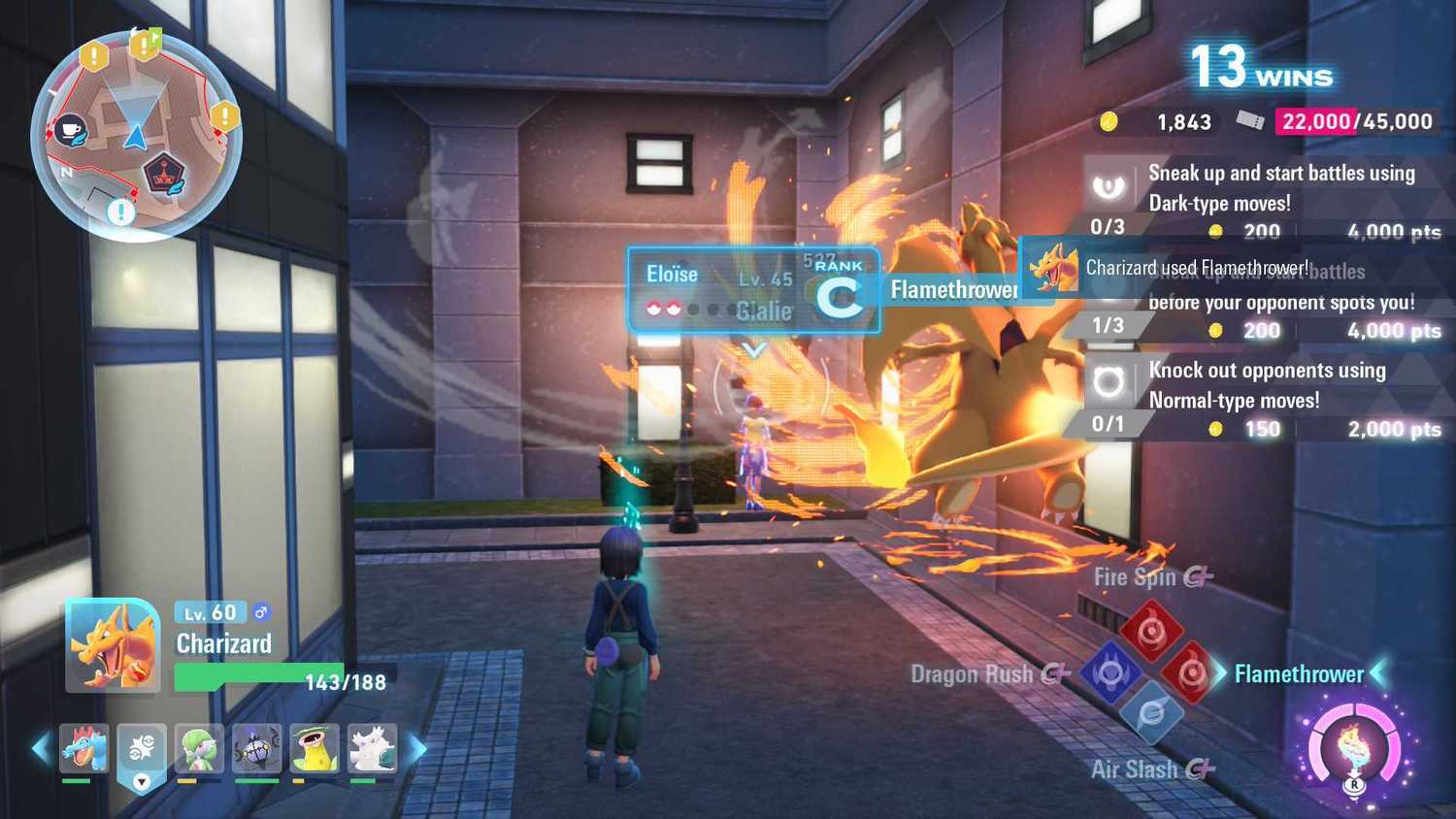
The Royale replaces the old gym-to-Elite Four progression with a rank-based promotion system. Win a series of battles to qualify for promotion matches; win the promotion and you climb the ladder toward rank A. Battles are nocturnal affairs, and sneaking through designated zones to ambush opponents is a satisfying pastime — a well-timed surprise attack can pay dividends in real time.
The pace can be relentless. It’s easy to default to the same few moves because the flow is so rapid, and on-screen feedback flashes by faster than you can process it. That lack of a robust feedback loop — the visual and auditory cues that usually mark success in action-focused titles — sometimes makes Z-A feel like organized chaos: entertaining, but occasionally opaque.
When the combat settles into a groove, it’s enjoyable; when it doesn’t, matches can feel like rote repetition. I relish the motion of battling, but the granular satisfaction of a perfectly executed turn-based combo is somewhat attenuated here. Z-A gives you the thrill of immediacy at the expense of some clarity.
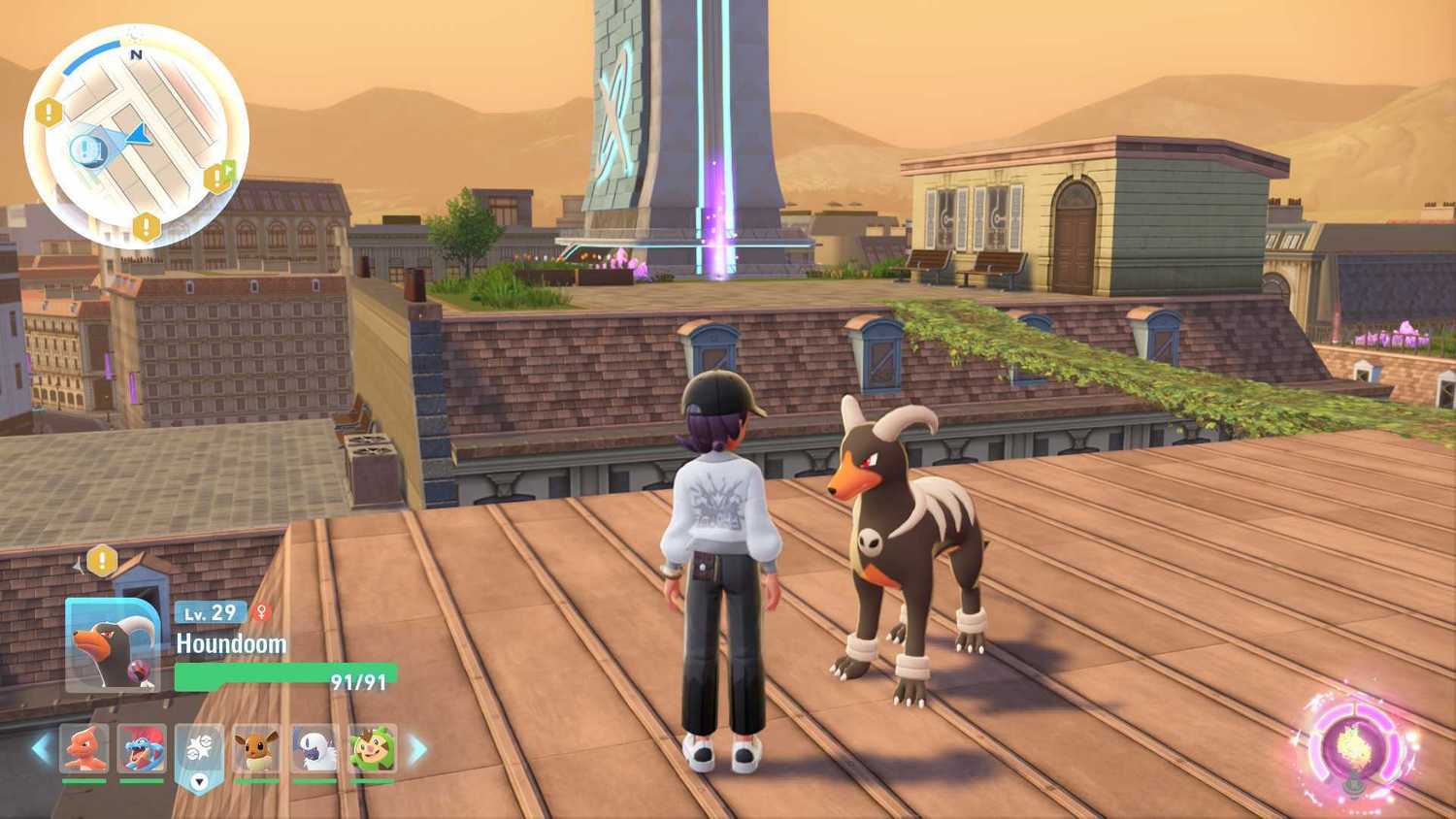
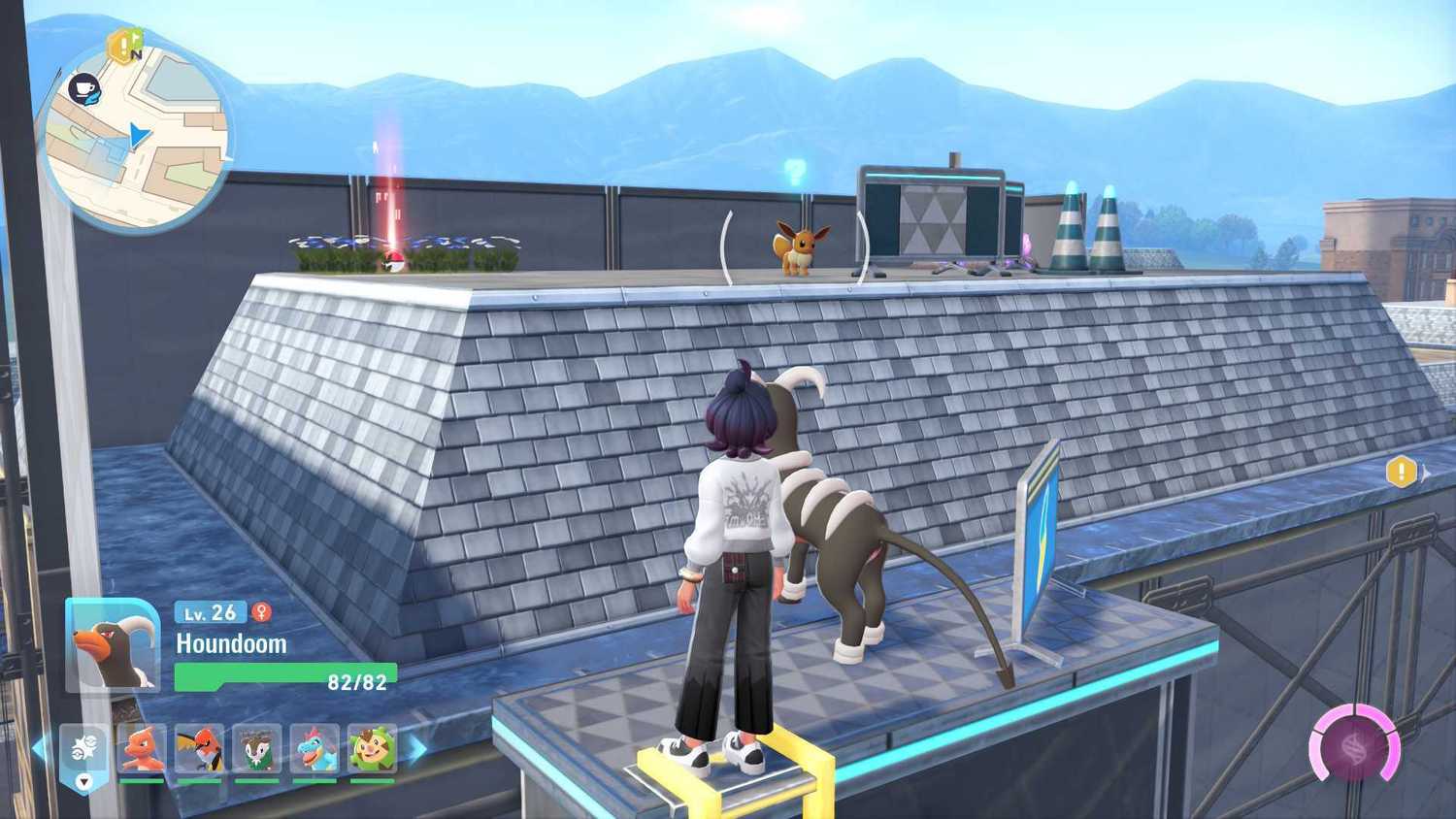
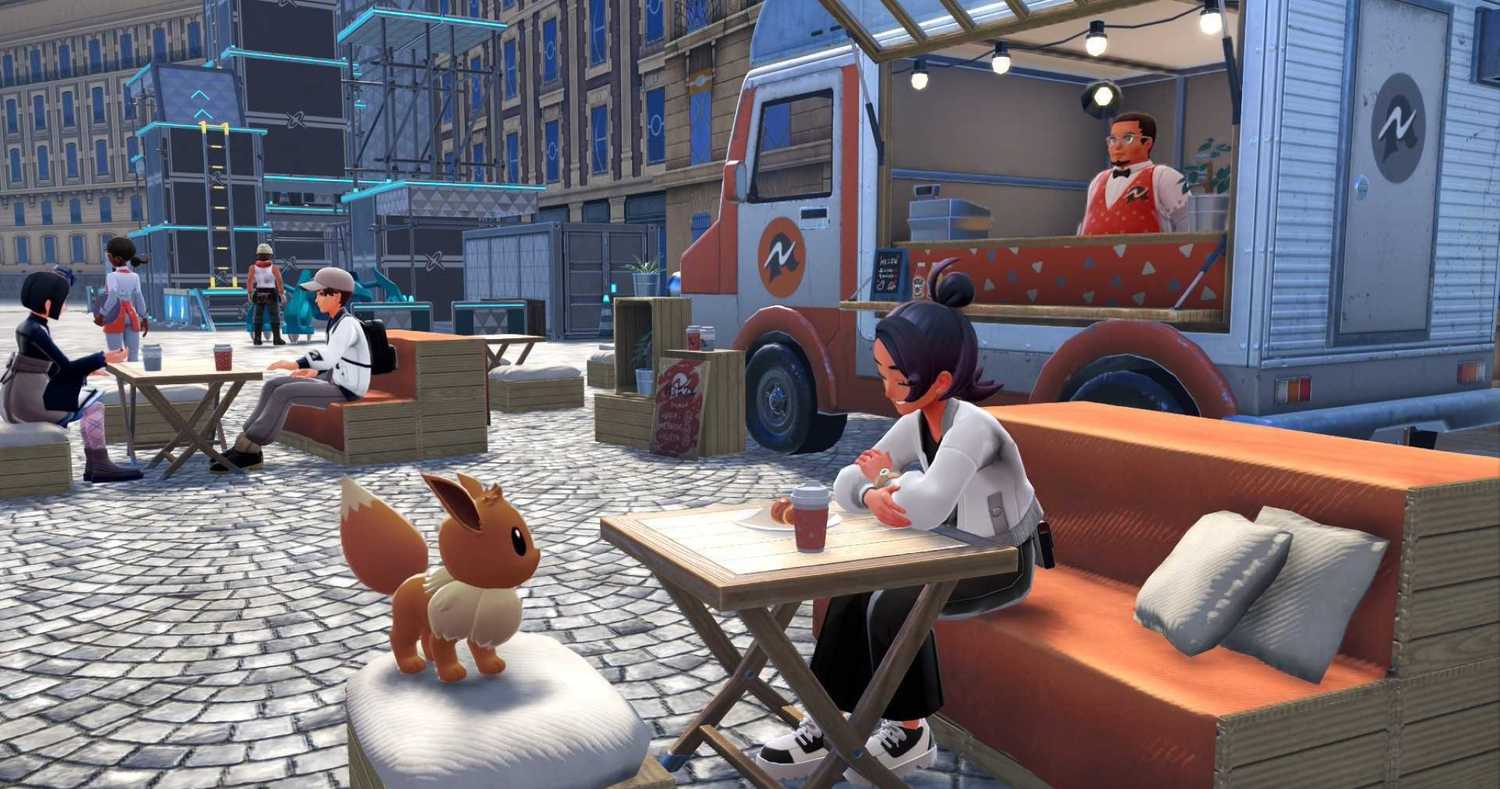
Outside of fights, Lumiose City is compact but dense. Even many hours in, I kept discovering new alleys, cafés, and rooftops. The city finally gives Pokémon a plausible urban habitat: Pidgey mill about sidewalks and scatter when you approach, mischievous Pan Trio monkeys swing from lampposts, and tree-bound Kakuna cling to branches. That sense of life — Pokémon integrated into the city’s rhythms — is a welcome change of scenery for the franchise.
Still, the metropolis grows repetitive. Streets and blocks lack the distinctive character you’d expect from a place inspired by Paris; many areas blur together with similar facades and colour palettes. Living in New York has taught me to appreciate how idiosyncratic city blocks can be, and Lumiose sometimes misses that kind of textural variety.
Ironically, the game’s strongest moments are often indoors. Z-A nails the intimacy of interior battles: restaurants where diners watch your match, elegant penthouses with spectators and chandeliers, and moody syndicate headquarters that radiate personality. Those contained arenas convey weight and spectacle in a way the broader cityscape sometimes cannot.
I’ve done everything this game asks me to do before — yet I keep doing it again.
Between Royale promotions, fending off rogue Mega-Evolved Pokémon, and filling out the Pokédex, a persistent nostalgia hangs over Z-A. Familiarity isn’t inherently negative — the series’ comforting mechanics are part of its enduring charm — but it can make fresh elements feel layered atop an all-too-known foundation. I’ve evolved Totodile into Feraligatr before; I’ve caught Pikachu and assembled teams of Eeveelutions. That history makes it impossible to entirely scrub the sense of déjà vu from the experience.
Pokémon titles are judged against different expectations than many other franchises. Incremental progress across the Switch generation has produced highs and lows: Sword and Shield introduced overworld encounters that were often confined to set zones; Arceus emphasized ecology and exploration but sidelined battle prominence; Scarlet and Violet offered open-world ambition but arrived with technical rough edges. Pokémon Legends: Z-A finds its own balance, advancing combat and urban world-building while encountering some of the same limitations as its predecessors.
Still, the franchise’s appeal remains potent. Despite the repetition — despite having named a trainer Glitch and given them purple hair multiple times — I keep returning to the loop: explore, catch, train, and battle. Pokémon still hooks me with the same stubborn grip it has had since 1996.
Pokémon Legends: Z-A is available now on Nintendo Switch and Nintendo Switch 2. This review was conducted on Nintendo Switch 2. Additional information about Polygon’s ethics policy is available on their website.
Source: Polygon