Pokémon will mark its 30th anniversary in 2026, and persistent leaks suggest Generation 10 could arrive next year under the tentative names Wind and Waves. Those rumours include claims about procedural elements and survival systems—take them with skepticism until an official announcement appears.
With Pokémon Legends: Z-A now released, it’s a good moment to consider which features should carry forward into the franchise’s next mainline entries. Over the years Game Freak has introduced mechanics that reshaped the series—Arceus’s nuanced catching systems are a recent example—and Gen 10 is a chance to combine the best of what’s worked into a cohesive, modern Pokémon experience.
A genuinely open world
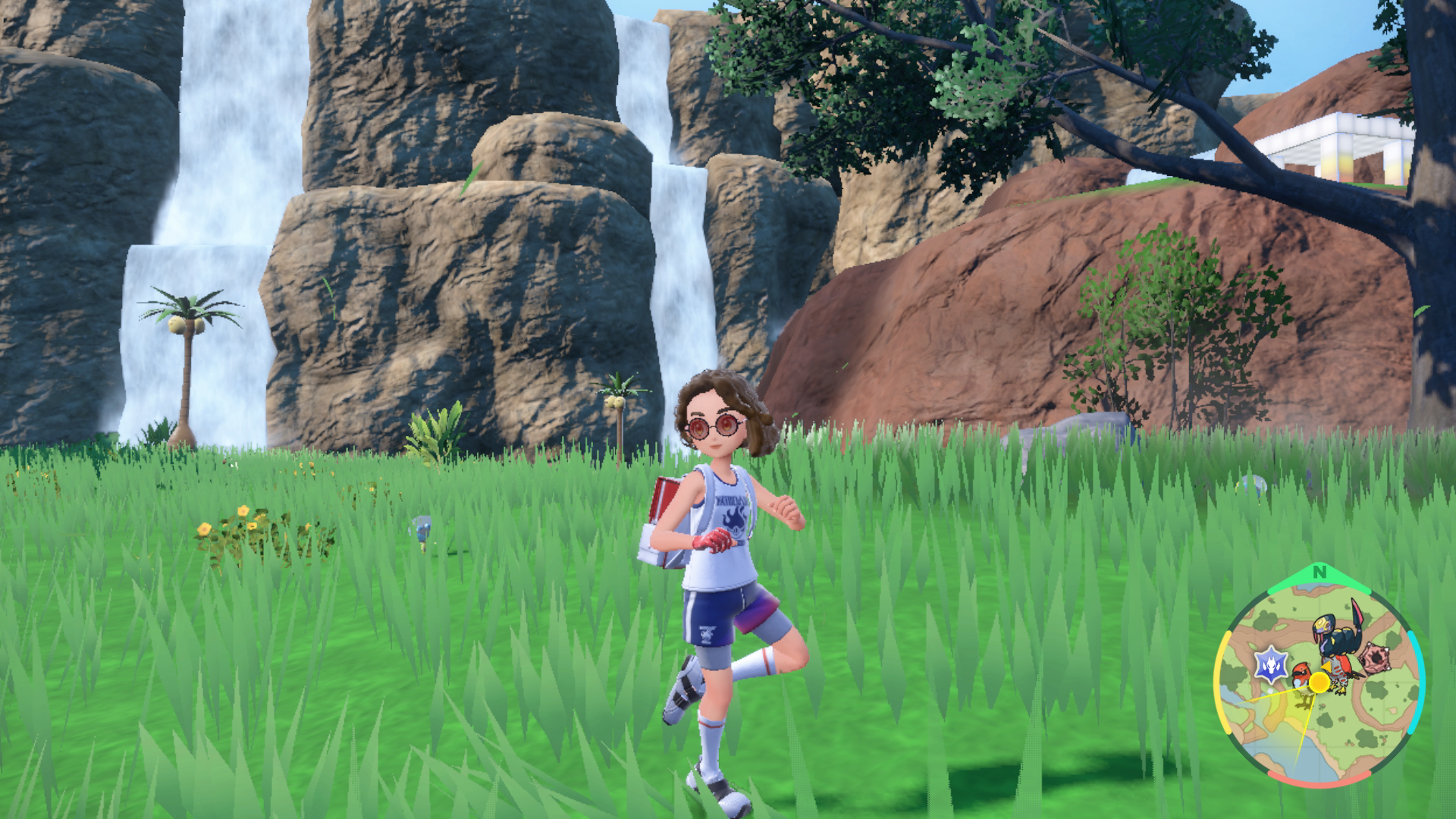
Fully realized open worlds feel like the natural next step for the core series. Despite technical limitations, Scarlet and Violet’s open areas proved the concept’s value—running into Pokémon in the overworld captures the spirit of exploration that made the franchise enduring. Compared with Arceus’s segmented biomes, a seamless world better evokes the feeling of a living, breathing ecosystem.
Recent performance improvements on newer hardware show the Nintendo platform can handle larger, smoother zones. For the rumored Wind and Waves, the challenge for Game Freak will be designing a world that’s varied, reactive, and packed with meaningful things to discover rather than empty expanses.
Vibrant, dense cities
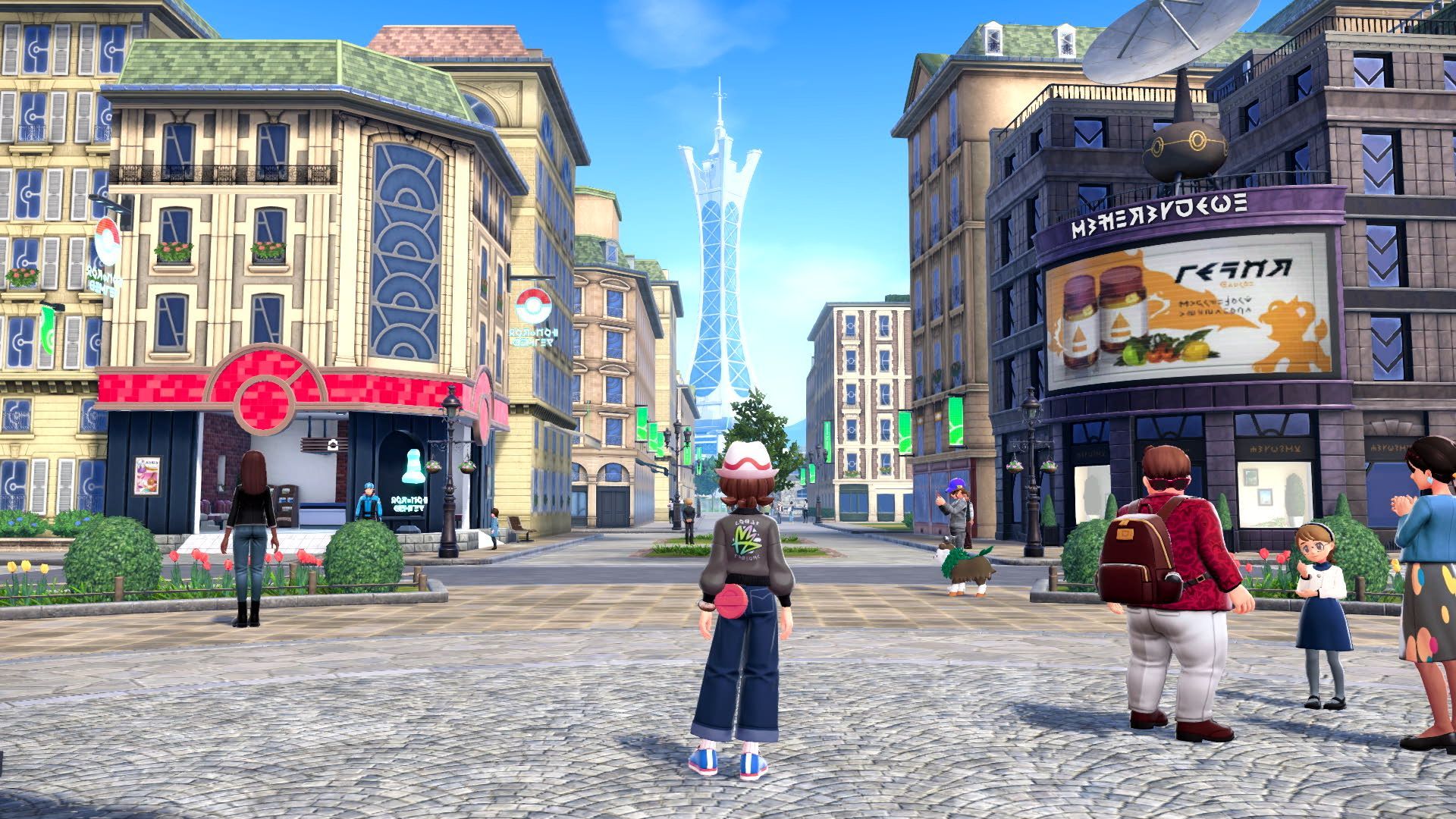
An open world shouldn’t mean only wide-open wilderness. Urban environments deserve the same attention to detail and encounter diversity—Z-A’s Lumiose-inspired cityscapes hinted at what’s possible. Rather than sparse towns, future games should feature dense metropolitan areas with verticality, tucked-away alleys, rooftop routes, and urban habitats where wild Pokémon feel at home.
Well-designed cities add character and open up exploration mechanics beyond the rote “talk to NPC, enter house” structure of earlier entries. They can host mini-quests, dynamic events, and ecosystems that make revisiting districts rewarding.
Stadiums that feel like events
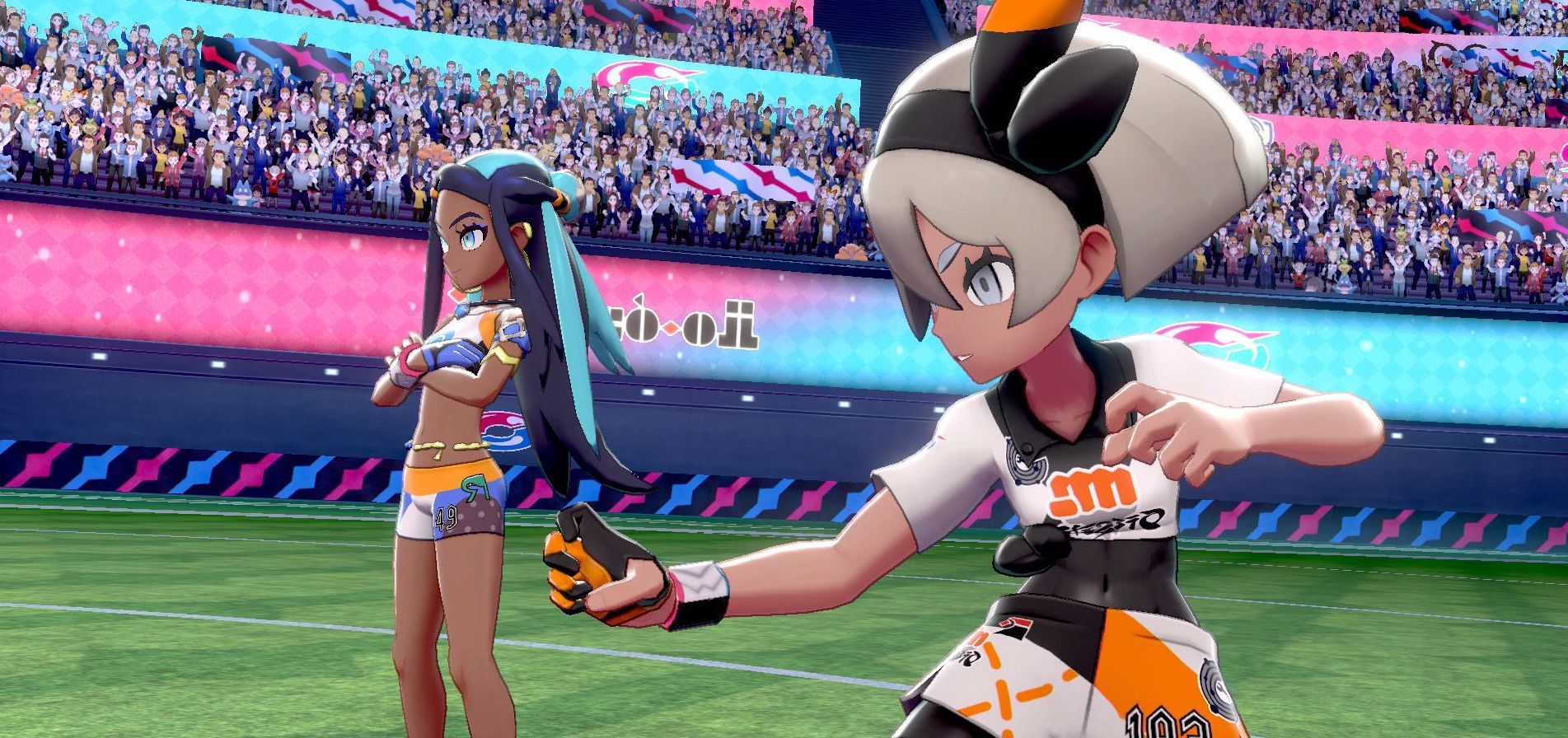
Despite controversies like the Sword and Shield PokéDex decisions, those games nailed the spectacle of stadium battles. Gyms that play out like sporting events—with roaring crowds, announcers, and arena-specific flair—bring an energy the series rarely reaches elsewhere. Subsequent titles scaled back that atmosphere; bringing it back would make key matches feel momentous again.
Whether it’s returning jerseys, unique stadium rules, or crowd-driven mechanics, giving competitive encounters a theatrical presentation would enrich both single-player narratives and local online play.
Regional forms and Paradox Pokémon
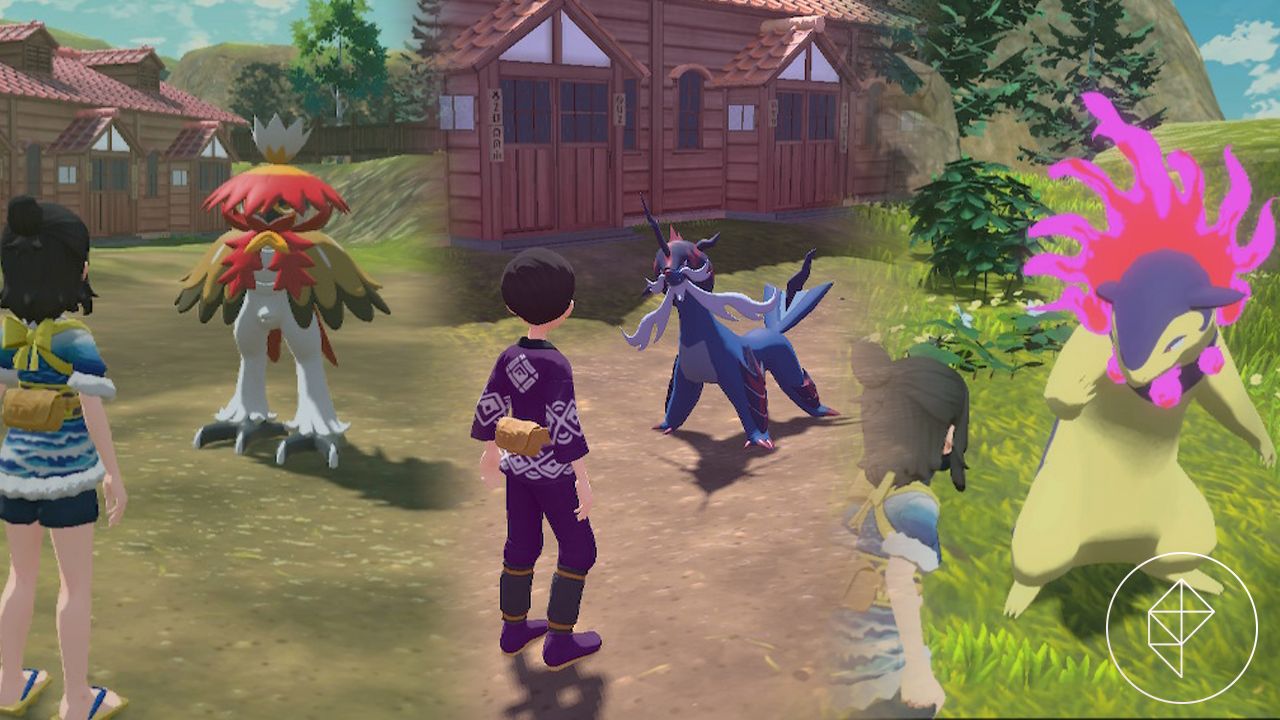
Regional variants have breathed new life into legacy Pokémon by changing typings, forms, and sometimes role in the metagame—Alolan Vulpix’s transformation from fire to ice is one clear example. Continuing to introduce well-considered regional forms allows classic species to feel fresh while tying them to specific environments and lore.
Paradox Pokémon, introduced with Scarlet and Violet as temporal oddities, are another fascinating avenue: creatures reimagined through different eras. They may not return every generation, but the concept—retooling Pokémon to reflect unique setting-driven themes—remains a powerful design tool.
Expanded Eeveelution roster
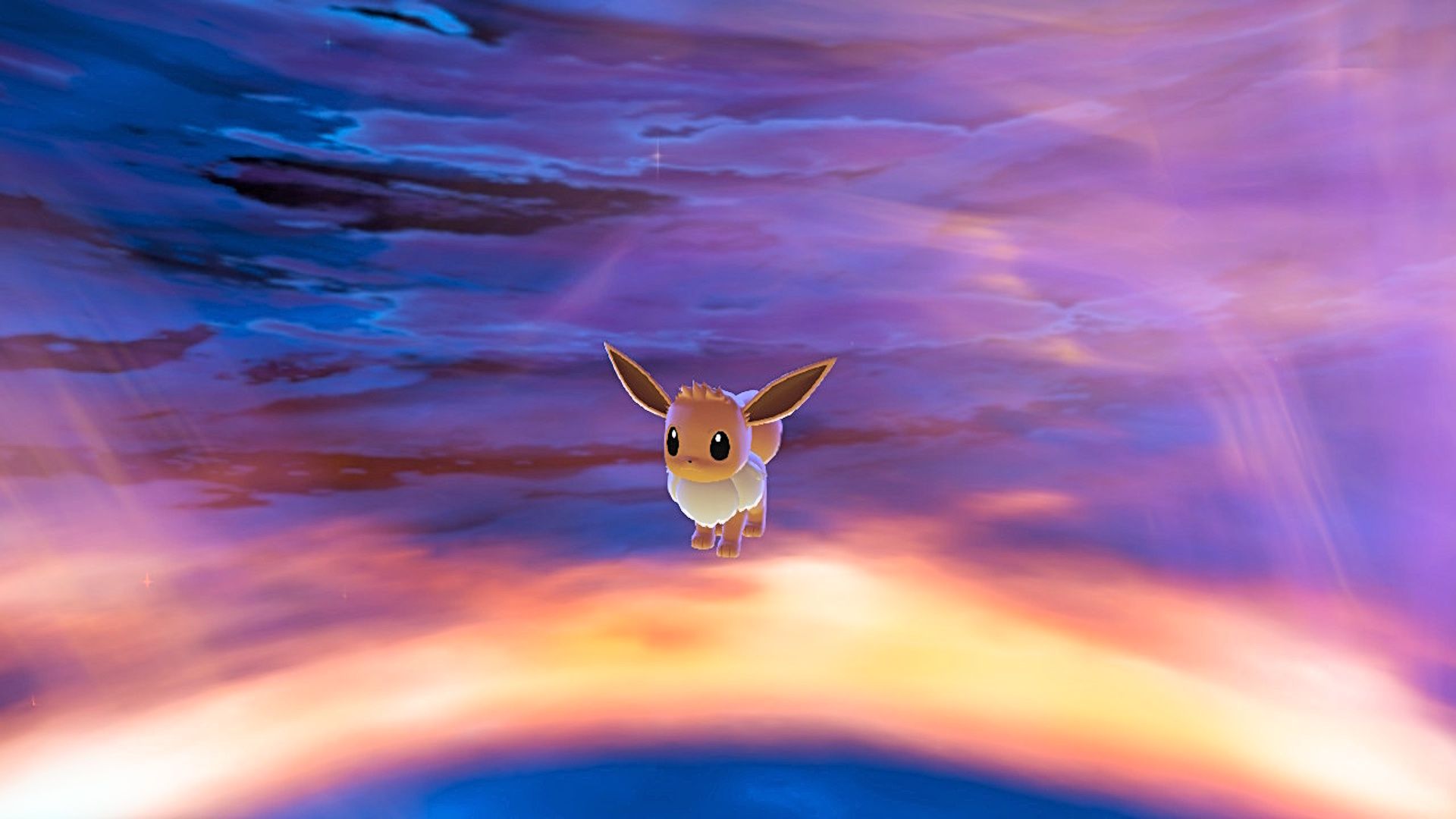
Eevee has become emblematic of Pokémon’s evolutionary creativity. The family has expanded steadily since the original trio, but it’s been several generations since Sylveon’s debut in X & Y. There’s room for new evolutions—dragon, steel, and flying types would all make thematic sense and give players fresh strategic and aesthetic options.
Richer catching systems
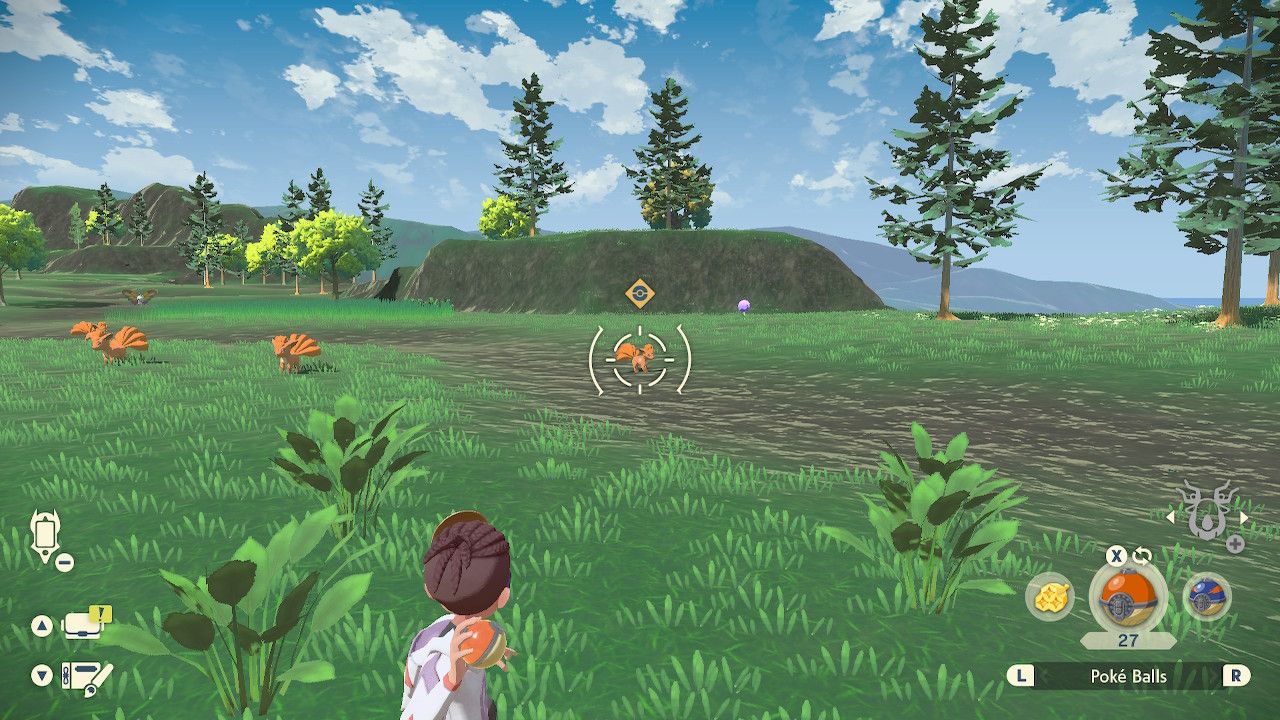
For decades catching was mostly HP math and a ball toss. Legends: Arceus reimagined that loop with stealth, approach angles, varied ball physics, and item interactions—making the act of capturing a Pokémon feel like an engaging mini-game. Gen 10 should embrace those deeper systems: contextual throws, baiting behaviours, environmental modifiers, and tools that reward planning and skill.
Return of Mega Evolutions (or similar)—but meaningful

Mega Evolutions introduced a temporary, often dramatic transformation that altered stats and sometimes typing. Compared with Dynamax’s size gimmick, or Terastallize’s type-shift visuals, Mega Evolutions offered both spectacle and tangible battle impact. Whether returning outright or reimagined, a mechanic that temporarily reshapes a Pokémon’s form and role can add exciting decision-making to fights.
Keep turn-based battling at the heart
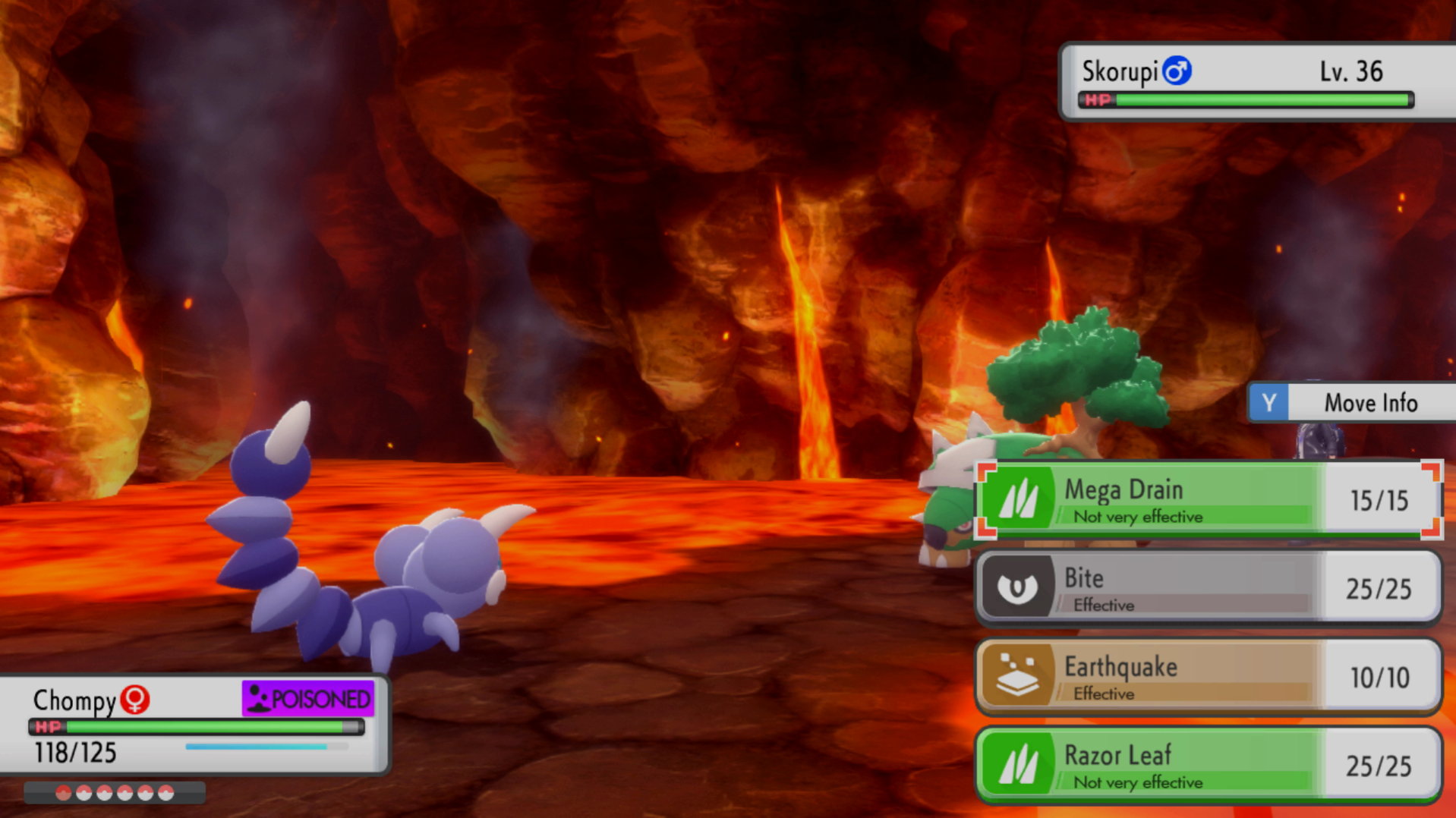
Legends: Z-A experimented with real-time combat and cooldown-based moves, offering a fresh tempo for battles. It was an intriguing detour, but the tactical depth of classic Pokémon comes from turn-based exchanges: reading opponents, managing PP, and planning multi-turn strategies. Future titles should preserve that deliberate, chess-like approach while exploring new systems that enhance—not replace—strategic play.
Source: Polygon