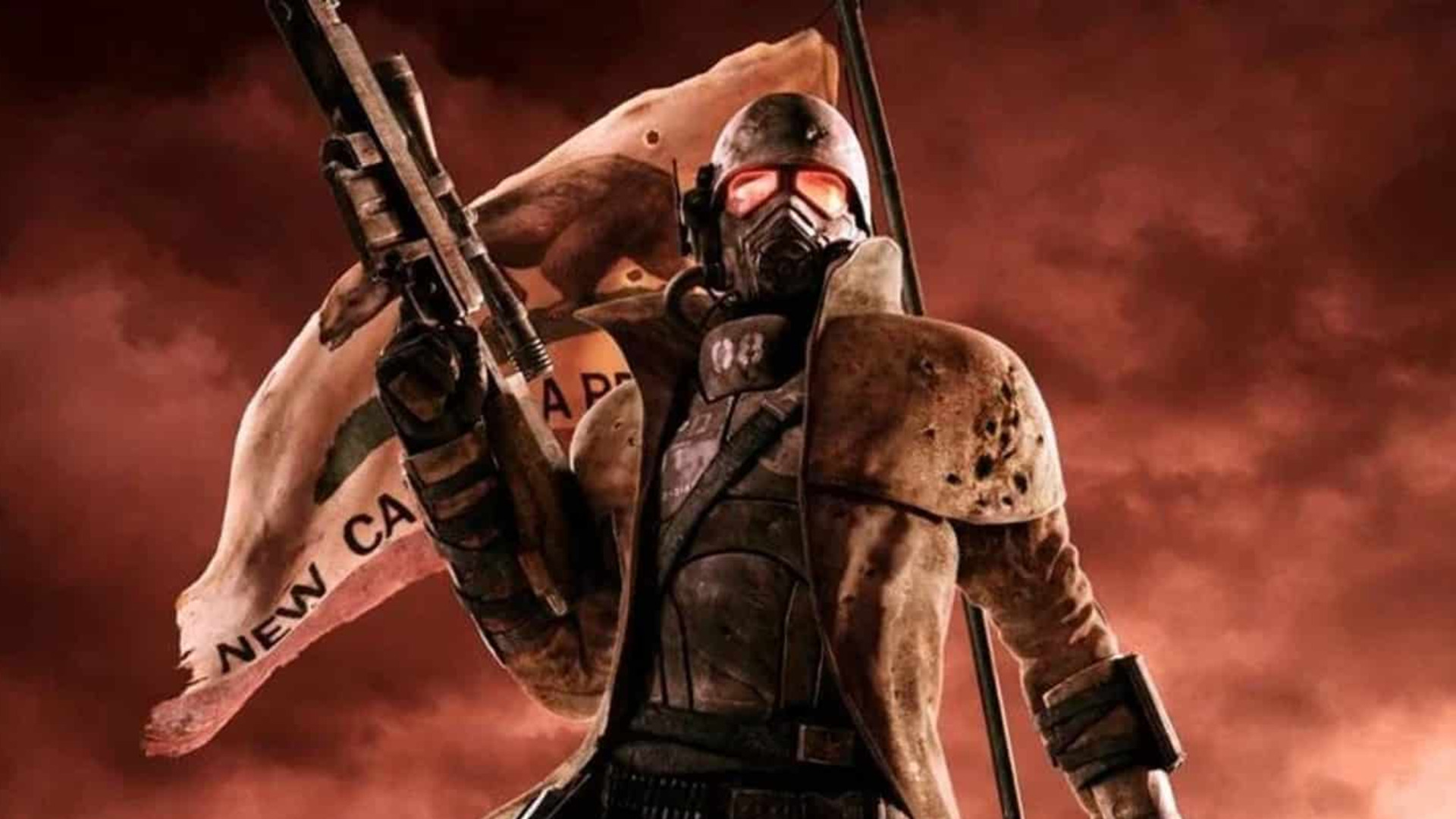

To guide The Outer Worlds 2’s direction, Adler kept returning to New Vegas and asking what elements made it resonate — and why. He then worked to reinterpret those strengths in a sci-fi setting. That approach produced a design that frequently offers RPG-style checks throughout the environment — akin to dice-roll mechanics that can appear outside of traditional dialogue trees, similar to features seen in Baldur’s Gate 3.
That design philosophy is most visible in The Outer Worlds 2’s Flaw system, where character quirks can yield unexpected buffs or penalties. One of the more talked-about examples is the Bad Knees trait: if you crouch too frequently it activates, granting a permanent 50% boost to crouch speed while also making your crouches audible to enemies within 10 meters.
The Flaw system isn’t a direct transplant from New Vegas, but it grew from a desire to expand on the things that game did well. Adler summarizes the core lesson as the “general idea of really allowing the player to role-play who they are through their character build.” That freedom to embody a character through choices and systems is central to why The Outer Worlds 2 aims to feel like a true RPG.
Adler says he doesn’t expect every Obsidian project to mirror New Vegas, but he affirms the studio’s commitment to systems that respect player agency — “something we want to continue forward in any Obsidian project.”
Source: gamesradar.com