“Very premium, very high-end.” That’s how Xbox president Sarah Bond described the upcoming Xbox hardware in a recent interview. Read another way, it’s both an aspiration and a clear signal to the market: Microsoft appears to be positioning its next Xbox as a luxury product. Expect the new machine to carry a substantially higher price than the consoles most of us have grown accustomed to.
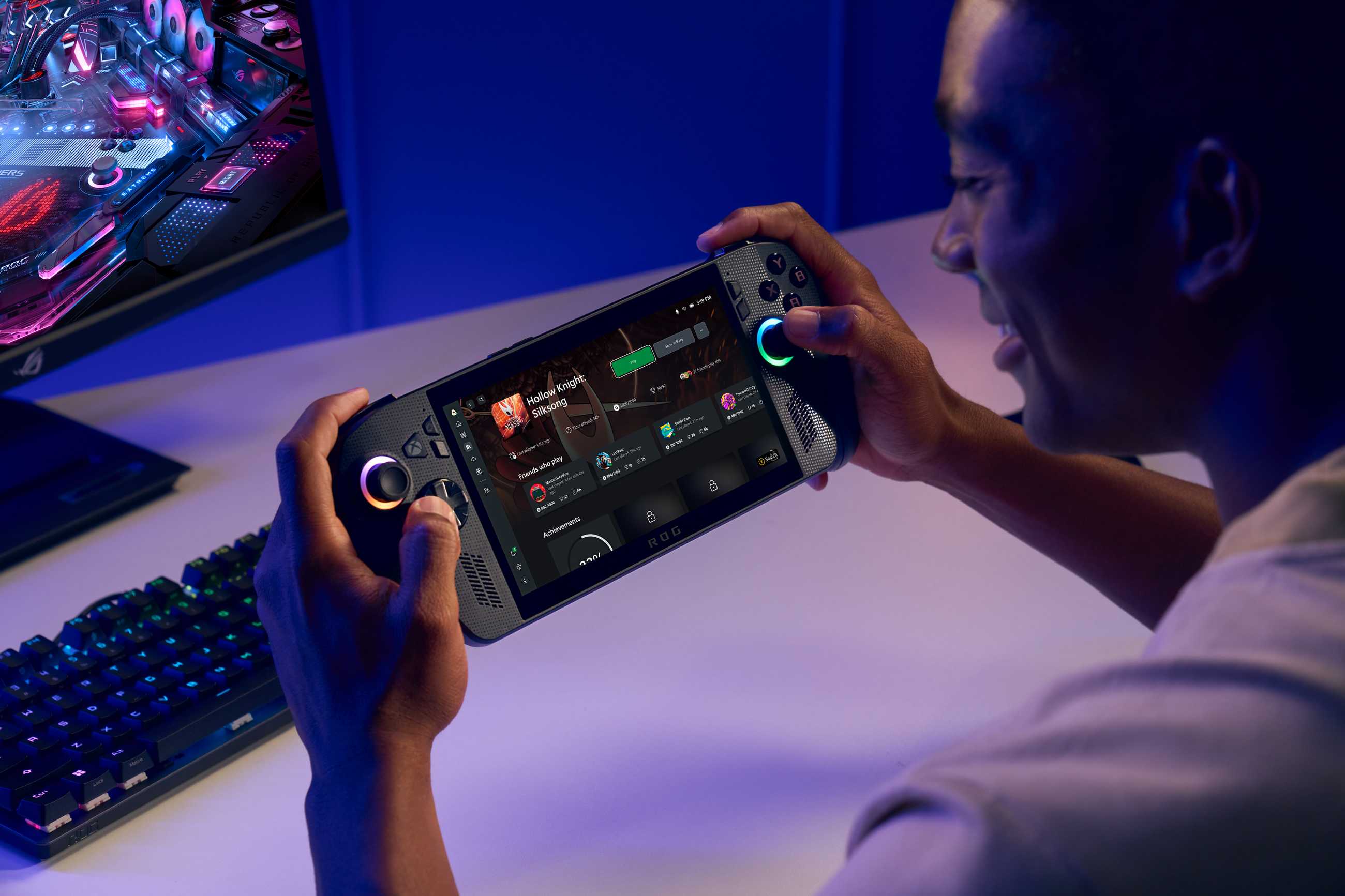
Exactly how expensive is unknown, but the context is telling. Bond was photographed beside the ROG Xbox Ally X — a handheld Microsoft is promoting as a premium device — which retails for $999.99. With the Xbox Series X now priced around $649.99 after recent increases, a roughly four-figure price for the next Xbox feels like a plausible estimate given Bond’s wording.
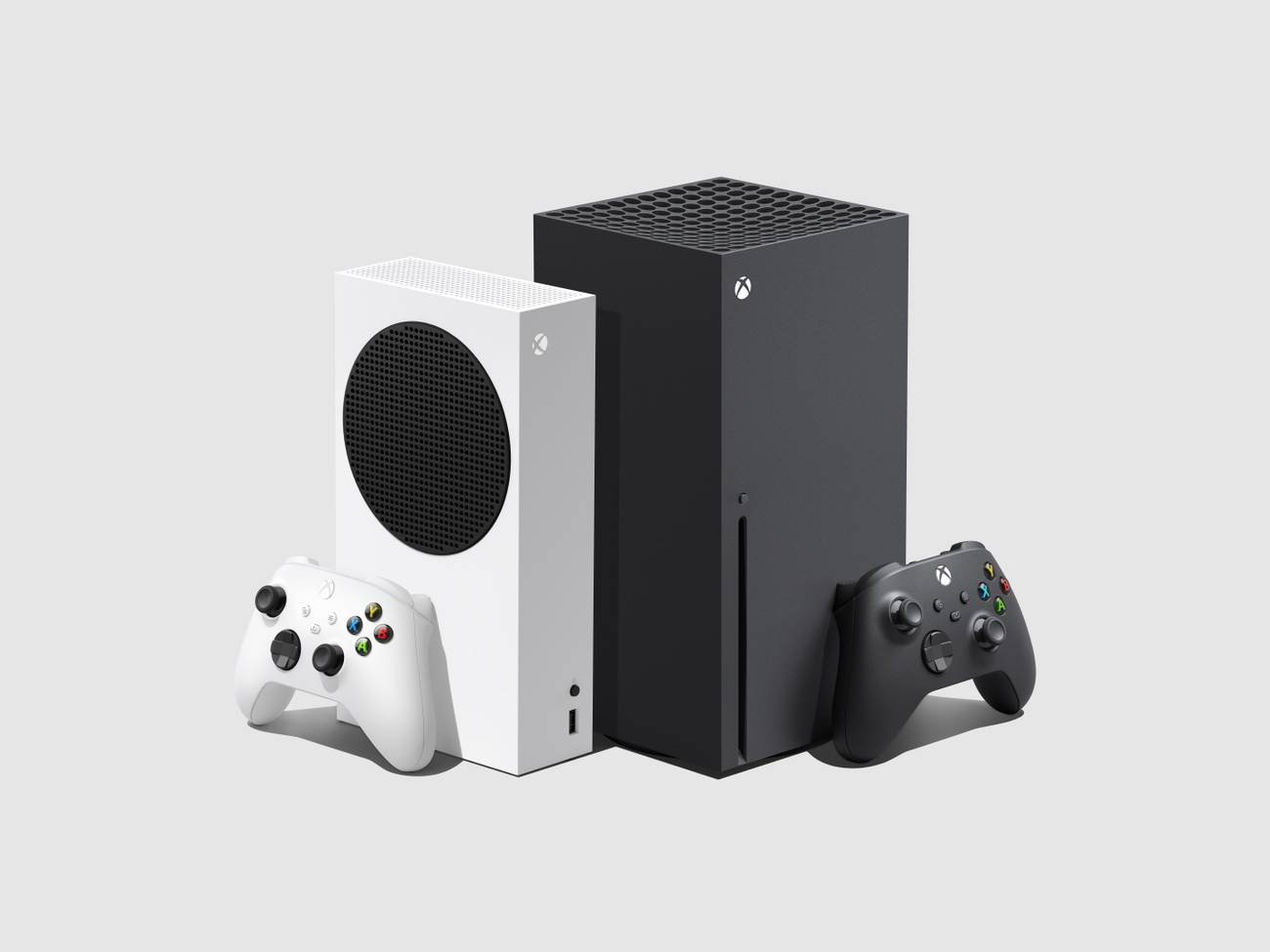
Another small but important detail: Bond referred to “the next-gen console” in the singular. Earlier comments about Microsoft’s collaboration with AMD used the plural “consoles,” implying multiple SKUs. The singular phrasing suggests the company may be planning a single, high-end model rather than pairing a flagship unit with a lower-cost counterpart like the Series S.
If Microsoft truly intends to ship only a premium SKU, it would mark a notable pivot from the Series X|S era. Back when the company launched both the Series X and the budget-minded Series S, the strategy acknowledged a harsh reality: manufacturing and component costs were rising, and the economies of scale that historically drove down console prices were weakening. The Series S provided an affordable on-ramp to the Xbox ecosystem — a compact, elegant option for price-conscious players.
Today’s language suggests that accessible entry-level hardware may no longer be part of the plan. The presence of the Series S introduced real trade-offs for developers, who have sometimes struggled to scale down games to fit its constraints — a struggle that contributed to delays and messy ports like the late Xbox release of Baldur’s Gate 3. Avoiding a similar split in specs might simplify development, but it also signals a retreat from trying to serve the broad, mass-market audience consoles historically aimed to reach.
The alternative direction feels more like a hybrid between console convenience and PC flexibility. Reporting from Windows Central — which mirrors comments from Bond and Microsoft Gaming CEO Phil Spencer — indicates the next Xbox could resemble the Xbox Ally: essentially a Windows-based gaming PC with a console-style front end that can run a wide range of PC titles from storefronts like Steam.
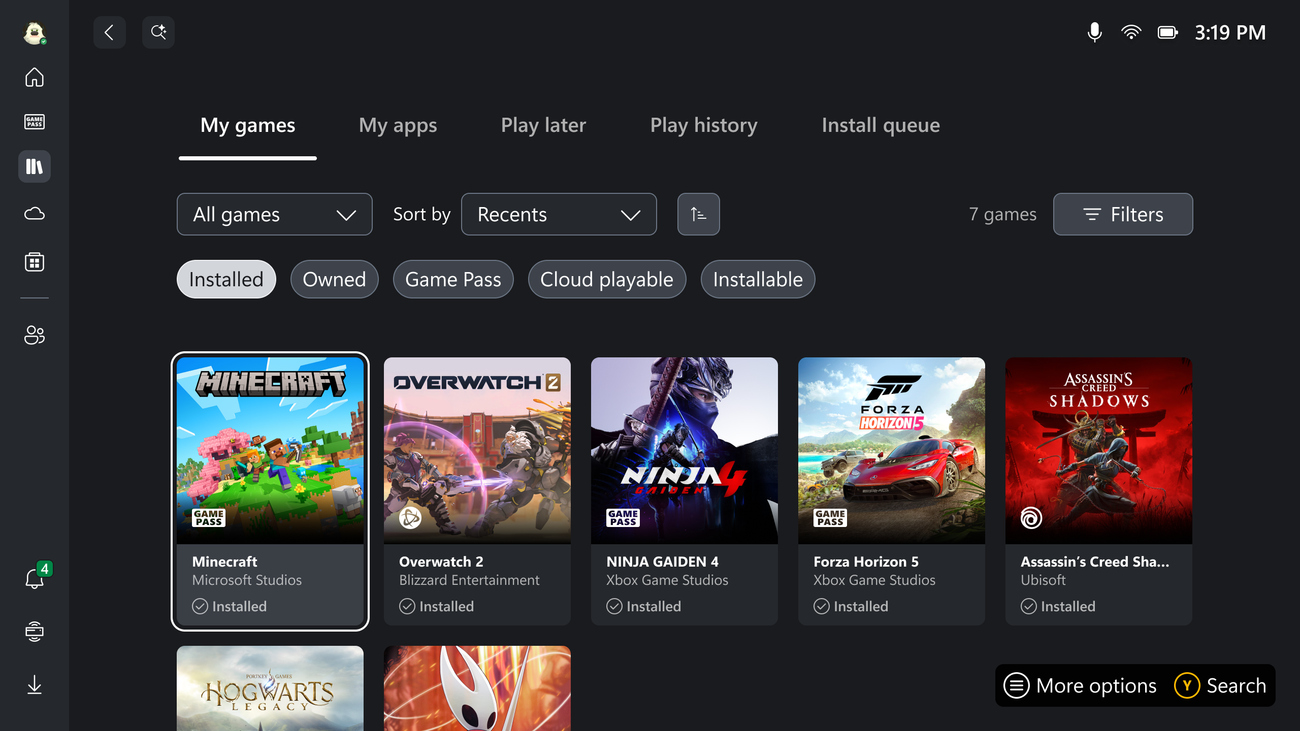
Reportedly, the new device would run native backward-compatible versions of games across four prior Xbox generations, while also supporting next-gen-optimized editions of new releases. In practice, though, few third-party studios are likely to create bespoke, platform-specific builds for a high-priced console with necessarily limited market penetration — especially when their existing PC builds will already run on the proposed Windows-based hardware.
Still, the pitch makes commercial sense in some respects. PC gaming’s audience is huge, and many players have extensive libraries they’d like to access on a living-room screen. A fixed-spec, factory-built device could undercut the cost of assembling an equivalent high-end gaming PC while offering plug-and-play convenience.
But based on Bond’s framing and the Ally X’s real-world behavior, the next Xbox looks destined to be a specialist product: an enthusiast-focused bridge between consoles and PCs. It may offer several of the conveniences of both worlds, yet likely won’t match the plug-and-play consistency of current consoles or the upgradability and customization that define desktop gaming rigs.
Since acquiring Activision Blizzard, Microsoft has become both a dominant third-party publisher and — by some measures — a less effective console-first hardware steward, choosing to make many titles available across rival platforms. Persistent speculation that Microsoft might abandon hardware prompted the company to reiterate that it’s “actively investing” in Xbox devices.
But the product Bond appears to be describing doesn’t align with the classic console playbook. It could reflect a bet that cloud gaming and cross-platform ecosystems will erode the need for inexpensive, mass-market boxes. Alternatively, Microsoft may be content to let Sony and Nintendo serve the mainstream audience while offering a premium Xbox as a boutique option that reinforces the brand.
Either way, Xbox hardware looks likely to persist — but its role in the market seems to be narrowing. The era of inexpensive, mass-market Xbox consoles may be drawing to a close as Microsoft refocuses on a smaller, higher-margin segment of players.
Source: Polygon