Pokémon’s score arrangements are remarkably refined — hear one example here — and creature sound design is instantly recognizable — another example. Yet, despite nearly three decades of mainline titles and spin-offs, fully voiced dialogue remains mostly absent from the series. That absence has reentered the conversation in force following the arrival of Pokémon Legends: Z-A.
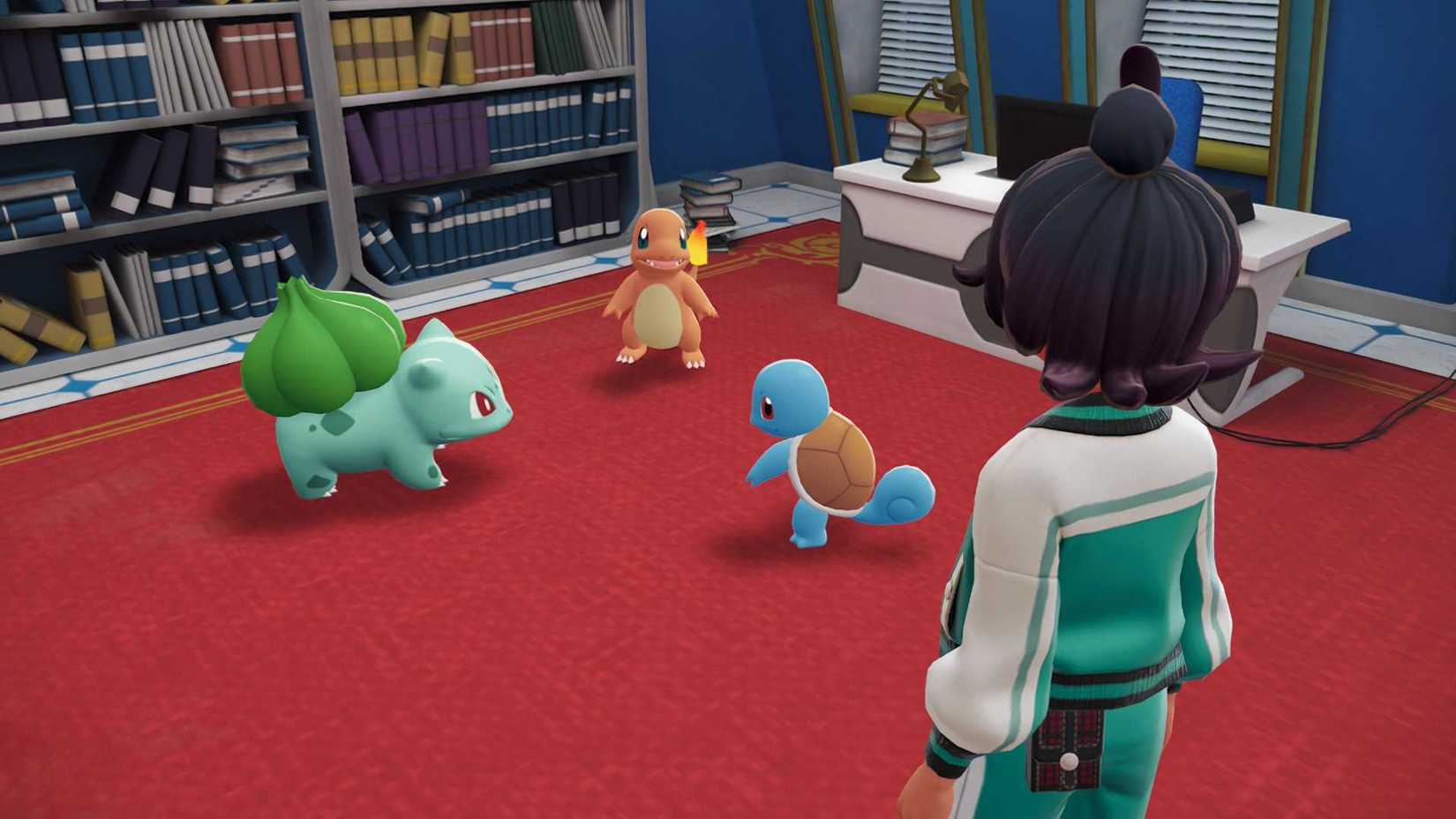
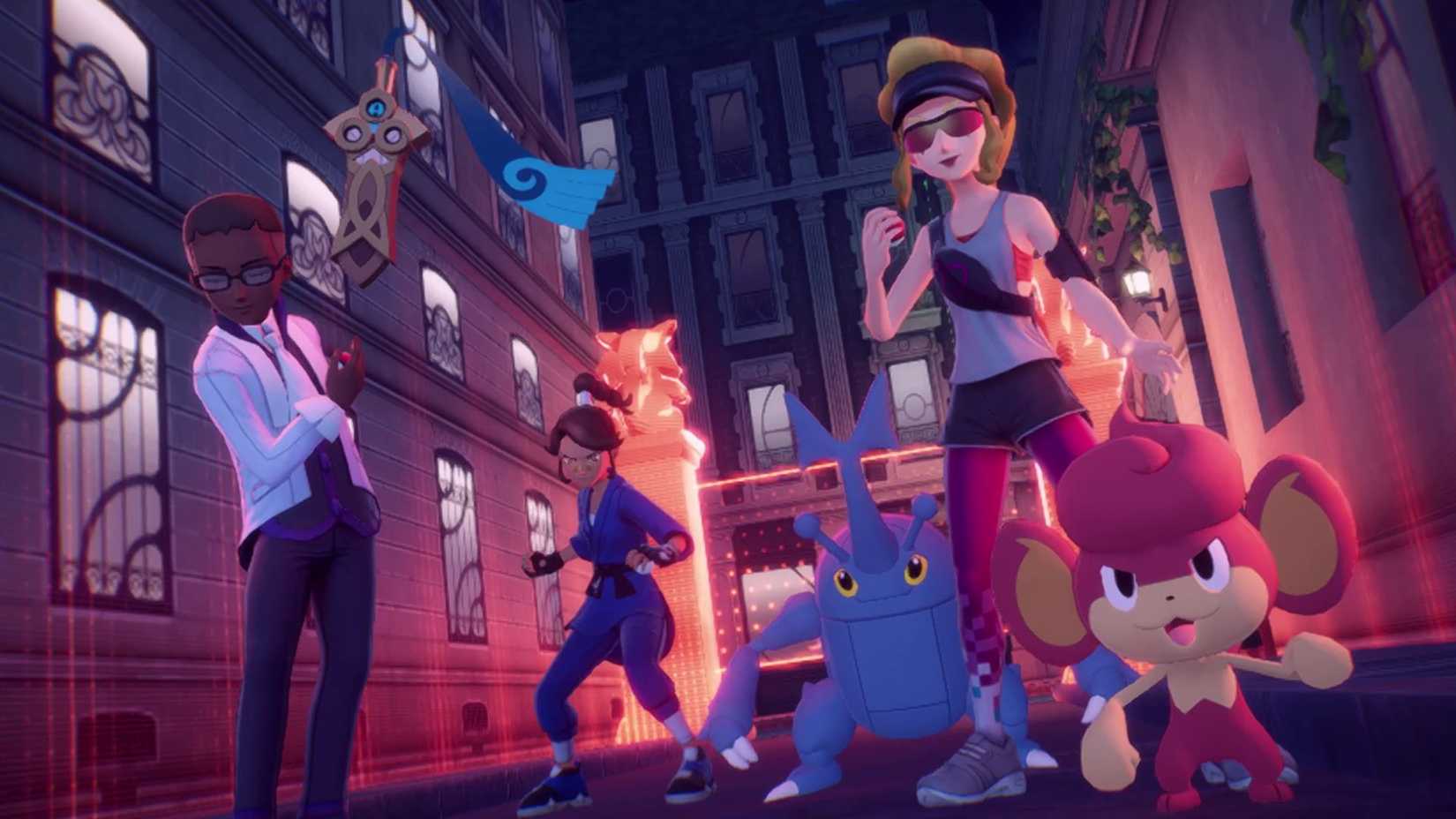
As with many entries in the franchise, the opening hours of Legends: Z-A lean heavily on guided sequences and numerous cutscenes. Those sequences are often lavishly animated: the team clearly poured care into staging and character motion. New mega-evolutions burst with theatricality, with each transformation carrying expressive flourishes — a proud wing spread here, a spinning weapon there — and even small animation touches, like an oddly endearing running loop, stand out. Graphically the game is stylized rather than hyper-detailed, and it doesn’t rival the visual intricacy of titles like Hollow Knight: Silksong or Cuphead. Still, within the context of the Pokémon catalog, Legends: Z-A feels polished and thoughtfully produced.
So why do these cinematic moments remain mute? If so much care went into animation and framing, why not pair it with voice work? That question has been circulating widely across social platforms since the game’s release, and posts debating the choice have circulated broadly. Fans are divided over whether the silent presentation feels like an artistic choice, an oversight, or a missed opportunity.
“It felt acceptable on older handhelds and even early Switch releases, but since Scarlet and Violet it’s been glaringly obvious that Game Freak needs to modernize,” reads one highly upvoted Reddit conversation on the topic. That thread captures many fans’ sentiments: cutscenes now appear staged for spoken lines, yet remain silent.
Critics point to awkward moments where silence is especially conspicuous. One memorable scene in Sword and Shield stages an on-screen performance without a single sung note, a contrast made all the more jarring because older games occasionally used simple vocal melodies or sung lines to sell similar moments.
On X (formerly Twitter), sentiment ranges from pragmatic to exasperated. Some users insist a game can succeed without voices so long as it’s designed around that limitation; others argue the current direction makes cutscenes feel incomplete. One poster observed that animated mouths and dramatic direction build an expectation of spoken lines — an expectation the games repeatedly leave unfulfilled.
The debate has intensified alongside alleged budget leaks suggesting that Pokémon titles may be developed with smaller financial outlays than many AAA projects, despite generating enormous returns. Game Freak’s organizational reality—relatively modest internal headcount supported by contractors—complicates expectations. The studio’s history of deliberately constrained team sizes has been discussed publicly, and it colors how people interpret production choices in the series. An interview on the subject helps explain some of those constraints.
Timing also matters. This year saw a smaller franchise release a well-reviewed, fully voiced RPG, which has heightened expectations: if a less ubiquitous series can manage full voice work, why can’t Pokémon? Fans also wonder why some spin-offs occasionally include voice acting while cornerstone titles do not — a discrepancy that fuels speculation about priorities and resource allocation.
Proponents of voice acting argue it raises perceived production value and accessibility, particularly for younger players. Several educators in online threads noted that hearing text spoken aloud alongside reading can bolster literacy and comprehension for children — a persuasive point in favor of adding voiced lines to a franchise that reaches many young audiences.
Opponents worry that official voices could clash with long-held fan imaginings of beloved characters. Iconic figures like Blue, Nurse Joy, or the silent protagonist occupy fixed spaces in many players’ minds; giving them a definitive voice risks alienating some portion of the fanbase. There’s also concern over tone and casting: a poorly judged vocal performance could feel awkward or inauthentic.
Given the franchise’s commercial might, some wonder if Game Freak’s restraint is a strategic choice. Has the series prospered because the studio resists every trend fans demand, or because it selectively invests in areas that deliver the greatest return on development effort? Pokémon has thrived without full voice acting so far, which suggests the absence has not fundamentally damaged the brand.
It’s possible voice acting is simply a matter of timing. Rumors and leaks have implied the studio explored voiced lines in earlier projects, and there are whispers that future installments — potentially the next entry in the Legends sequence — might experiment more boldly. Whether that will satisfy vocal skeptics, avoid fan backlash, or redefine the series’ cinematic language remains to be seen.
Discussion around voice work will continue as long as new Pokémon releases invite scrutiny. For now, the franchise remains a fascinating case study: a globally dominant IP produced by a relatively small studio, navigating the tension between tradition, technical possibility, and fan expectation.
Further reading and community reactions: social thread, X post, fan comment, and discussion on accessibility.
Source: Polygon